Have you ever wondered how a simple home device turned into a gaming powerhouse? Early consoles such as the Magnavox Odyssey started out as basic game units. Today, these devices have evolved into multi-use systems that offer endless fun and creative possibilities.
Over the years, game consoles have grown into full entertainment hubs. The earliest systems had built-in games, while modern consoles let you stream content, play online, and even explore creative apps. This article walks you through each generation, from retro charm to today’s high-tech marvels, and gives you a glimpse of what our gaming future might hold.
A Comprehensive Overview of Console Generations
Console generations have come a long way. Early consoles could only play one built-in game. Today, consoles do much more. There are nine generations in total. They start with simple designs like the Magnavox Odyssey and move to advanced systems.
Generation One introduced the Magnavox Odyssey, Coleco Telstar, and Home Pong. These devices were built for specific games only.
In Generation Two, game cartridges changed everything. Players could swap a cartridge to try a new game. This simple switch made the Atari 2600 a household favorite.
Generation Three is known as the 8-Bit Era. Big names such as the Nintendo Entertainment System (NES), Sega Master System, and Atari 7800 led this period. They offered familiar graphics and fun new adventures.
With Generation Four, 16-bit processors improved performance. Better color depth and sound raised the bar for visuals and gameplay.
Generation Five brought the CD-ROM Era. Optical discs replaced cartridges, paving the way for larger and more detailed games.
Generation Six, the DVD Era, saw systems like the Sega Dreamcast start to offer online features.
Generation Seven embraced online play with broadband connectivity becoming common.
Generation Eight shifted to digital downloads. Consoles like the PlayStation 4, Xbox One, and Wii U helped lead this change.
Now, Generation Nine hints at streaming, virtual reality (VR), and hybrid hardware. This generation marks the next exciting step in gaming history.
Generation One and Two: From Single-Game Units to Cartridge Systems
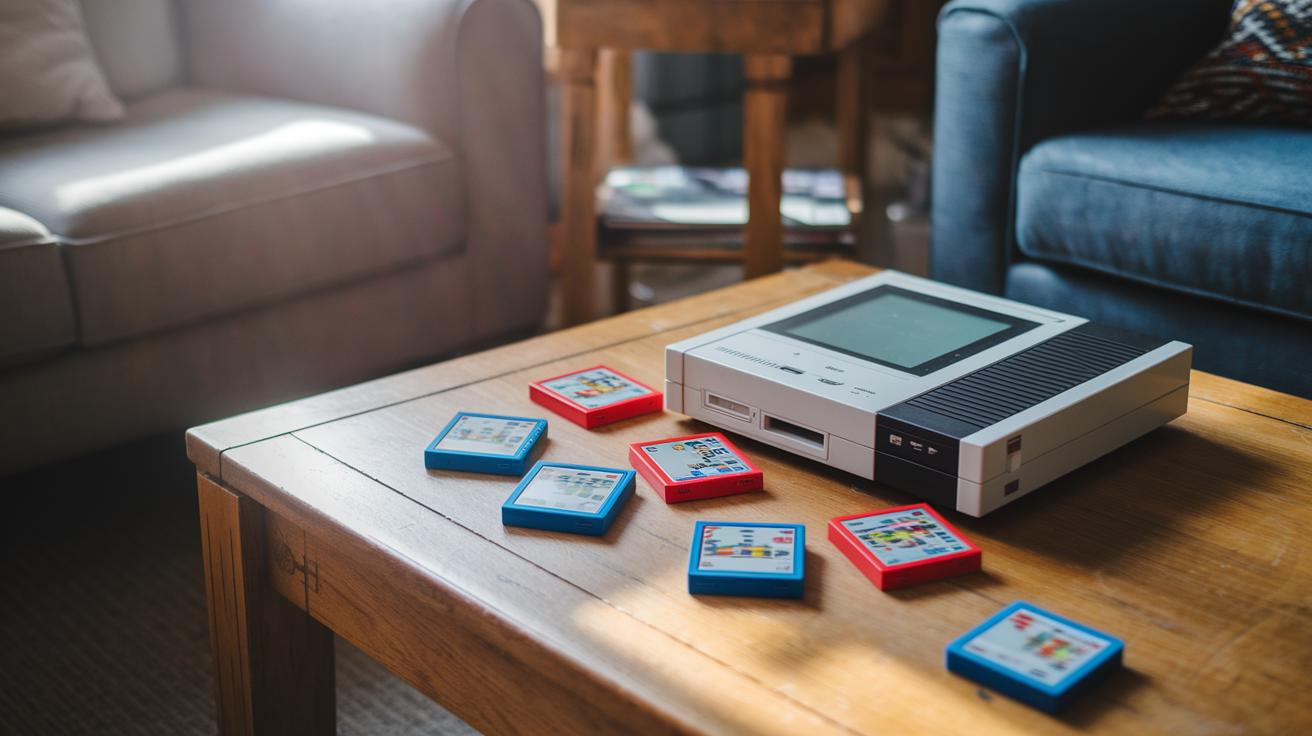
Generation One consoles came with a set number of built-in games. Early systems, like the Magnavox Odyssey (1972), Home Pong (1975), and Coleco Telstar (1976), offered only what was pre-installed. Retro gaming fans can check out classic systems on this page: retro gaming consoles.
In Generation Two, things changed with the addition of interchangeable ROM cartridges. This meant you could switch games easily without buying a new console. The Atari 2600 led the way with many third-party games. Simply put, you grab a cartridge, insert it, and enjoy a new gaming adventure. This idea not only boosted the console's lifespan but also paved the way for the versatile gaming systems we use today.
Generation Three and Four: The 8-Bit and 16-Bit Revolutions
Between 1983 and 1989, 8-bit consoles changed game design with clearer graphics, smoother gameplay, and new ways to control games. The Nintendo Entertainment System (1983) kicked off the trend by introducing memorable characters and a wide range of games. The Sega Master System (1985) and Atari 7800 (1986) also stood out, each offering its own unique gaming experience. Fun fact: before gamepads became common, gamers used very basic controllers that defined the era. Better memory and improved sound pushed digital gaming into a fresh new stage.
Between 1987 and 1996, the 16-bit era brought huge upgrades in color, speed, and audio quality. Games looked more vibrant and sounded clearer thanks to these improvements. Faster CPUs allowed developers to create detailed worlds with smooth animations. One reviewer noted that the sharper images and crisp sound took game storytelling to a whole new level. These technical upgrades meant that game design became more intricate, mixing refined visuals with richer soundtracks. The move from 8-bit to 16-bit not only advanced game design but also laid the groundwork for modern consoles that combine power with artistic style. This shift pushed early gaming boundaries and sparked creative ideas that still guide game development today.
Generation Five and Six: CD-ROM to DVD Media Transitions
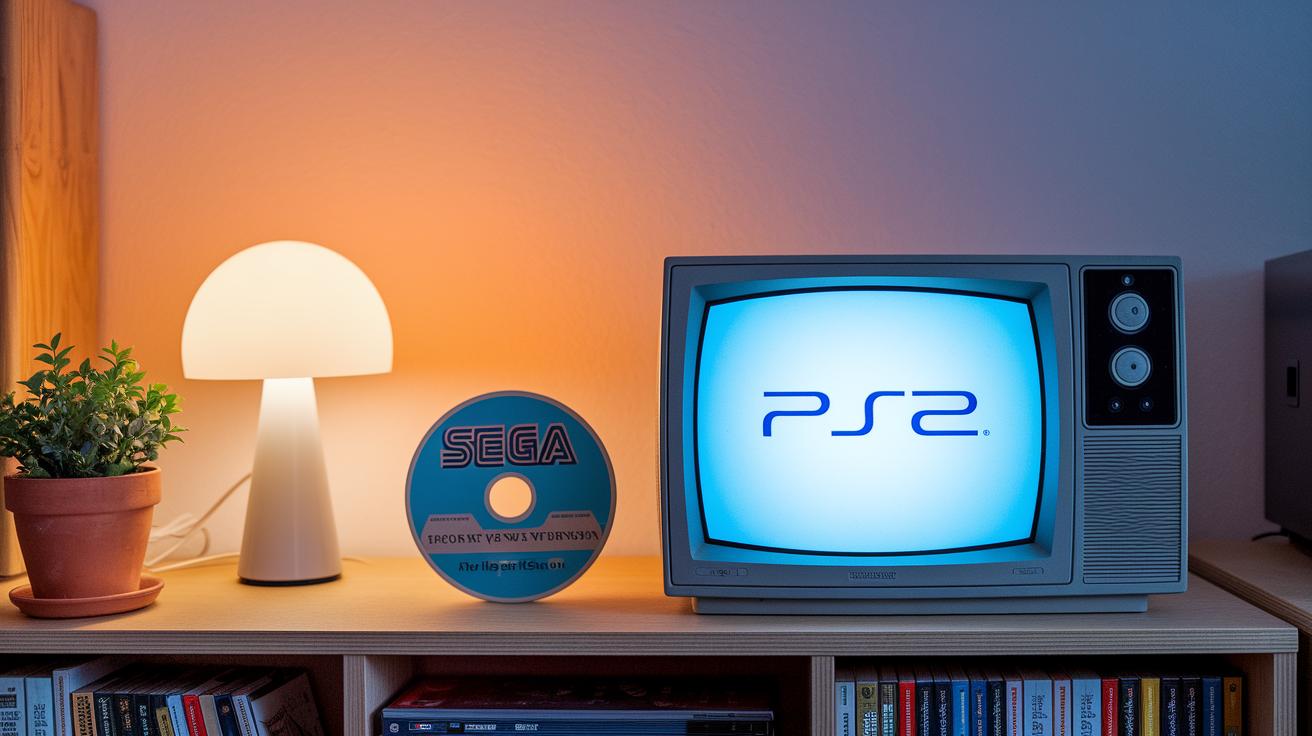
In the early 1990s, home consoles moved from cartridges to optical discs. This switch allowed games to have richer graphics and longer video clips. However, CD-ROMs had slower read speeds and smaller file sizes. Developers had to get creative with compression and file management. For example, using CD-ROMs let them add video sequences into game files. Consoles such as the Sega Saturn and Sony PlayStation had to overcome these new technical hurdles.
From the late 1990s until 2005, DVDs brought larger storage and online features to consoles. This change paved the way for more complex games. Manufacturers had to work on better network code and manage multi-layer disc designs. For instance, the Dreamcast’s online setup forced developers to adjust their networking code to balance file size with fast data caching. The lessons learned from these changes influenced the whole industry and set the stage for future media advances.
Generation Seven and Eight: Network Play and Digital Distribution
Generation Seven changed the game between 2005 and 2013. Consoles like the Xbox 360, PlayStation 3, and Wii added broadband, letting players join global matches, download updates, and connect in real time. One reviewer put it simply: "Playing online felt like entering a new world where boundaries simply melted away." This digital push helped these systems stay fresh longer.
Generation Eight built on that shift from 2013 into the 2020s. Systems such as the PlayStation 4, Xbox One, and Wii U turned their focus to digital storefronts and downloadable content. A comment summed it up: "Launching a game with a simple tap on the digital storefront is like stepping into a vast, virtual arcade." Moving from physical discs to digital libraries streamlined how games were delivered and made keeping up to date easier.
console generations: Marvelous Retro to Modern Shift
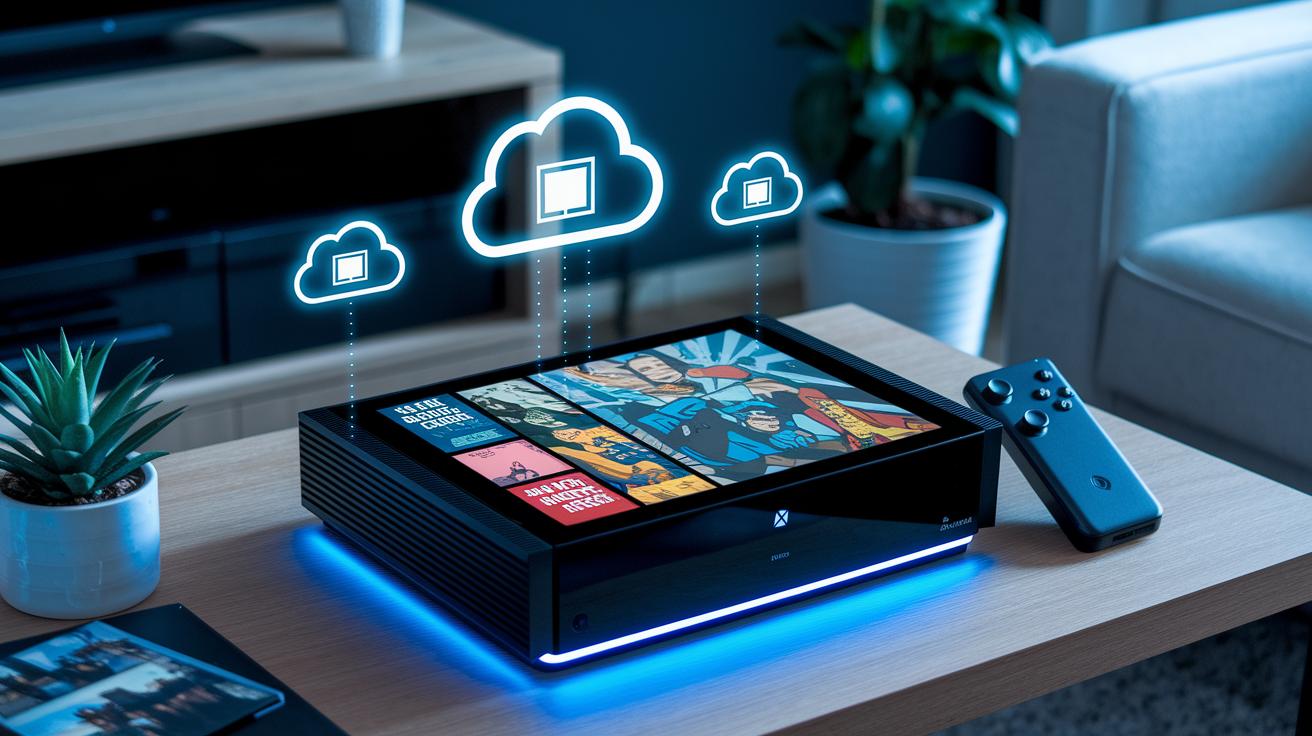
Generation Nine is shaking up the gaming world. New consoles now mix cloud streaming with solid hardware. Soon, you may play top-notch games without using bulky discs. Picture swapping games with a tap on a sleek remote, just like turning a page in your favorite comic.
Key trends show off bright, fast screens and SSD storage that cuts load times. This means smoother play and quick game switches. Gamers can soon connect across different systems easily. Social media buzz and industry plans are stirring up excited chat among tech fans.
There are also whispers that future consoles might be more portable. This change suits gamers who want freedom to play anywhere. Gaming is shifting from fixed setups to dynamic, cloud-powered systems that break old boundaries.
Experts expect fresh ideas in design and controller flexibility too. These improvements will make the new systems easier to use and more fun every day.
Cultural Impact and Legacy of Console Generations
Console generations changed more than just the hardware; they transformed gaming culture. Each new era brought evolving game genres, richer storytelling, and fresh ways for communities to connect. In early days, consoles offered simple graphics and basic gameplay. But as technology improved, franchises like The Legend of Zelda grew from simple adventures into epic tales that defined a generation.
The new hardware also changed how games were made. More powerful consoles let developers experiment with visual storytelling and interactive design. Podcasts and articles show that each generation set a higher bar. Fans and critics agree that lessons from the past still shape modern game design.
Console evolution mirrors changes in what players expect and how communities connect. Big shifts, like moving from cartridges to optical discs or from local play to online gaming, highlight how technology and culture work together. Every generation made its mark on competitive gaming and helped build today's diverse, passionate fan base.
Final Words
In the action, we traced the path of console generations from single-game units through the 8-bit and 16-bit shifts, the optical media eras, and network play to today’s streaming and hybrid setups. Each stage brought clear tech changes that shaped gaming systems and culture. We reviewed how design, performance, and market approaches evolved along the gaming timeline. This summary gives a clear picture of what has driven change in console generations and what may come next. Enjoy the ever-changing world of gaming!
FAQ
What are 10th generation consoles?
The idea of 10th generation consoles generally points to future systems that build on current innovations like streaming and VR. Industry trends suggest that new features will push gaming hardware to new levels.
What is a console generations chart?
A console generations chart outlines key eras from the first to the latest generations. It visually compares each generation’s core innovations and iconic hardware releases.
What does a console generations timeline show?
A console generations timeline displays the chronological order of console eras. It marks when major transitions occurred, highlighting key releases and technological breakthroughs over the decades.
What are gaming console generations?
Gaming console generations define periods marked by significant design and technology shifts. They range from early, single-game units to modern systems that integrate digital distribution and online connectivity.
What are handheld console generations?
Handheld console generations track the evolution of portable gaming devices. They illustrate the progress from early, simple systems to modern units mixing gaming with advanced smart features.
How do console generations compare?
Console generations compare different eras based on technological improvements, gaming libraries, and design changes. This comparison helps users understand the evolution from retro systems to today’s digital and hybrid devices.
What does “console generations by year” mean?
Console generations by year refer to charts that detail when each generation was released. They provide a timeline for developments from early hardware to systems with online and digital capabilities.
What information does Wikipedia have on console generations?
Wikipedia offers detailed articles on console generations. It covers historical releases, technical specifications, and cultural impacts, making it a useful resource for those interested in gaming history.
What are the nine generations of consoles?
The nine generations of consoles start with simple, hard-wired systems and progress through eras like the 8-bit and 16-bit periods to today’s streaming-focused hybrid devices that mark the emerging ninth generation.
What defines console generations?
Console generations are defined by distinct hardware and performance shifts over time. Each era shows technological upgrades that improve gameplay, graphics, and connectivity from the earliest systems to current models.
Will there be a PS6 console?
The question about a PS6 console refers to Sony’s next step in home gaming. Trends indicate that new hardware follows regular cycles, so a PS6 will likely arrive when market innovation drives demand.
What are the Xbox generations in order?
The Xbox generations start with the original Xbox, followed by Xbox 360, then Xbox One, and continue with updated models in the latest generation that focus on enhanced performance and online connectivity.