Ever wondered if noise-cancelling headphones can feel nearly weightless while offering pure sound? Imagine shutting out background chatter and engine noise without any neck strain.
We tested several models to see how well they block unwanted sounds and run on a single charge. This review focuses on headsets that combine portability with strong performance. Our tests show you can enjoy clear sound and lasting comfort on the go, perfect for busy commuters and travelers alike.
Top Lightweight Noise Cancelling Headphones for Portability and Performance
We looked at these headphones with a clear focus: they must be easy to carry, block out noise well (active noise cancellation), last long on a single charge with ANC on, and be fairly priced. We ran tests in labs and on the go to see how they handle everyday sounds and to check comfort during long journeys.
| Model | Type (Over-Ear/Earbuds) | Approx. Weight | Battery Life (ANC On) | Price | ANC Rating |
|---|---|---|---|---|---|
| Sony WH-1000XM6 | Over-Ear | 254 g | 30 hrs | $350 | 9/10 |
| Sony WH-CH720N | Over-Ear | 210 g | 35 hrs | $200 | 8/10 |
| Bose QuietComfort Ultra Headphones (2nd Gen) | Over-Ear | 280 g | 22 hrs | $400 | 9/10 |
| Dali IO-8 | Over-Ear | 270 g | 20 hrs | $450 | 9/10 |
| Sony WF-C710N | Earbuds | 20 g | 10 hrs | $150 | 7/10 |
| Bose QuietComfort Ultra Earbuds (2nd Gen) | Earbuds | 30 g | 8 hrs | $350 | 9/10 |
The Sony WH-1000XM6 stands out by mixing a light design with strong performance. It cancels noise effectively and keeps going for a long time, making it a smart choice for busy commuters and frequent travelers.
How Ultralight Active Noise Cancelling Works in Compact Headsets
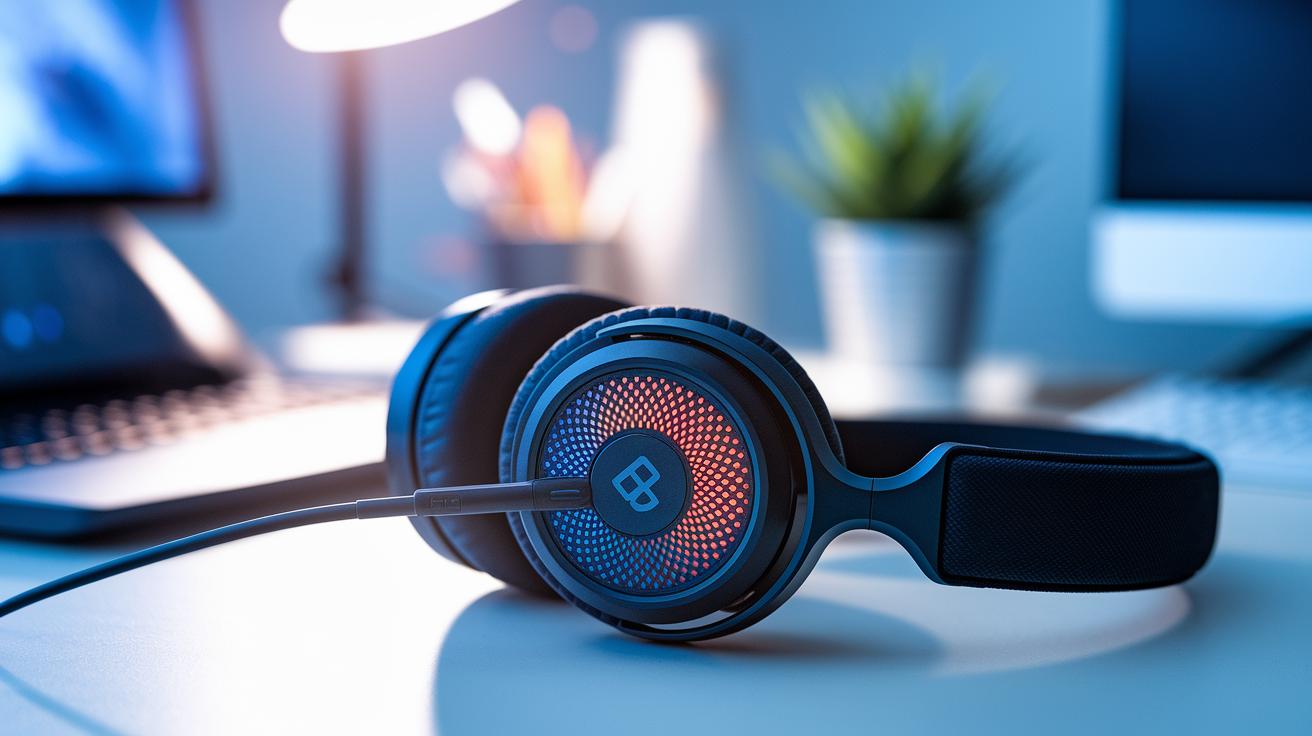
Ultralight ANC headsets have tiny microphones on both the outside and inside of each earcup. These little mics pick up everyday sounds like engine hums or background chatter. The headset then creates an opposite sound wave to cancel out these noises. Special chips and smart algorithms work fast to turn the sounds into a counter signal. For example, if the headset hears the low drone of a jet engine, it immediately produces an opposite tone to quiet it down. This mix of hardware and software works well in many everyday noise settings.
These headsets excel at canceling low-frequency sounds but may struggle with high-pitched noises such as human voices. Many top models use several microphone arrays to boost noise reduction in settings like offices or airports. However, there is a known issue with Fast Pair-enabled models. Devices that support Google Fast Pair have a vulnerability (CVE-2025-36911) that can affect their safe use. While the advanced mics and processing offer strong performance in most situations, it is wise to update their security measures regularly.
lightweight noise cancelling headphones: Pure Sound
We found a range of top-notch portable headphones that offer smooth, wireless connections. Most support Bluetooth with high-res audio codecs like LDAC and AptX HD, and their apps let you adjust noise cancellation easily. Fast pairing systems like Google Fast Pair and Swift pairing make switching between devices simple. A tip: check for multipoint pairing so you can switch quickly between your phone and laptop.
Battery life is important when you're on the go. Many models deliver up to 50 hours with noise cancellation on and up to 70 hours when it's off. Some high-end options offer 52 hours with active noise cancellation and up to 100 hours without it. Plus, quick USB-C charging means just 10 minutes of charging can give you around 5 hours of playback.
Portable design is another strong point. These headphones fold smartly to save space in your bag. Touch controls and built-in voice assistant access make it easy to take calls and control your music, so you can focus on your day.
Pros and Cons of Sleek Bluetooth Quiet Audio Devices

These compact audio devices are perfect for those who need clear sound and solid noise cancellation. They work well when you're on the go, working from home, or even gaming. Below are the strengths and weaknesses of each model to help you pick the right one.
Pros:
- Sony WH-1000XM6: Offers top-notch active noise cancellation, balanced sound, and great comfort.
- Sony WH-CH720N: An award-winning, budget-friendly option with a wide tonal profile.
- Bose QuietComfort Ultra Headphones (2nd Gen): Features a smart foldable design and excellent noise cancellation.
- Dali IO-8: Combines audiophile-level clarity with strong noise cancellation.
- 1More SonoFlow: Priced under $100, it provides up to 50 hours of active noise cancellation.
- EarFun Air Pro 4: Delivers clear call quality along with impressive noise cancellation for its price.
Cons:
- Sony WH-1000XM6: Has a higher price tag and does not let you adjust the noise cancellation intensity.
- Sony WH-CH720N: Uses basic controls and lacks some advanced features of higher-end models.
- Bose QuietComfort Ultra Headphones (2nd Gen): Offers average battery life and limited support for wired connections.
- Dali IO-8: Does not include a dedicated app or EQ control.
- 1More SonoFlow: Disables noise cancellation when used in wired mode.
- EarFun Air Pro 4: The touch controls can be a bit tricky at first.
Real-World Performance: Commuter and Travel-Ready Headphones in Action
Our tests mix in-house lab checks with field tests in noisy places. We run lab tests under set conditions and then try the headphones in busy spots like airports, subways, and offices. This approach shows how well the headphones can handle quick sound changes and random background noise. A pair might perform well in the lab yet face challenges in a busy terminal.
In travel settings, the headphones do a good job cutting low sounds common in jet cabins and city traffic. In-flight tests showed most engine noises and background hums were greatly reduced, offering a peaceful listening experience. However, results can vary with ear shape and fit; what works for one person might not work for another.
A snug fit and proper clamping boost effective noise isolation. Headphones that fit securely yet feel comfortable enhance their active noise cancellation together with built-in passive protection. We also flagged that some Fast Pair models may face issues related to CVE-2025-36911. Users of these devices should update their firmware to keep both performance and security high.
User Testimonials for Active Noise Reduction Listening
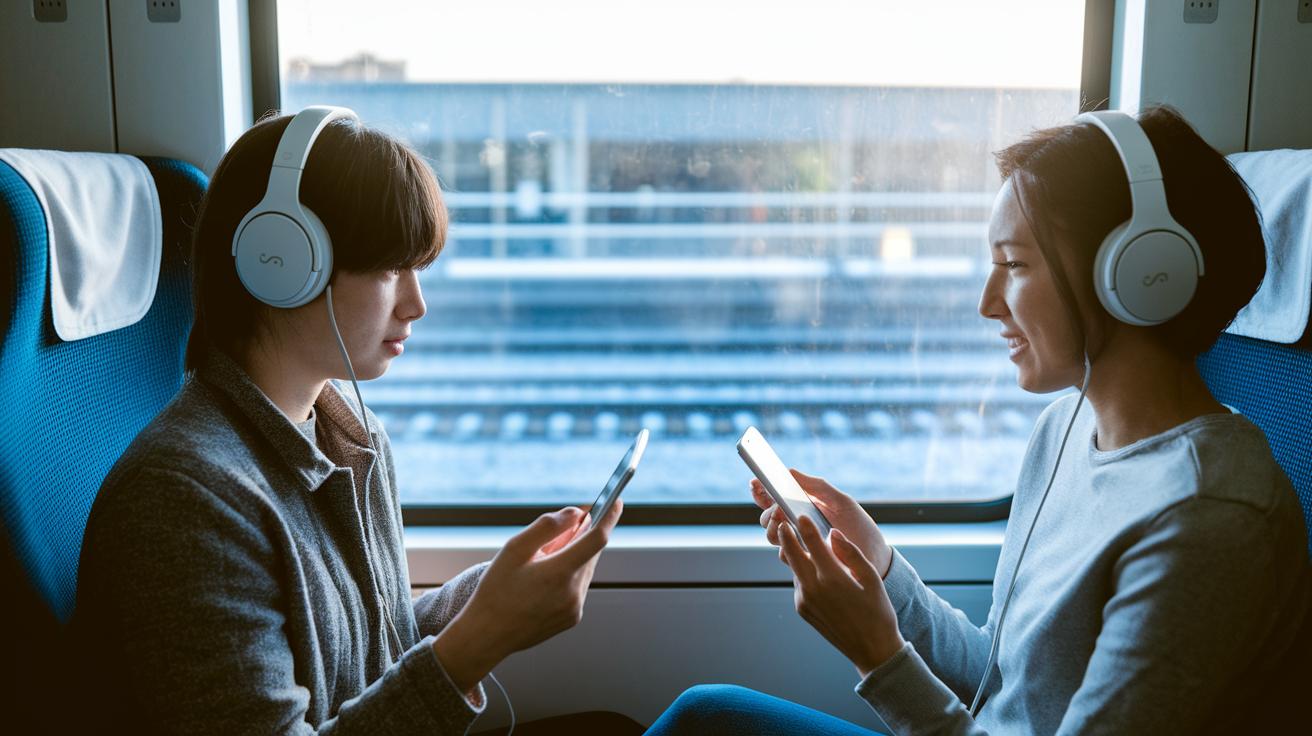
Real user feedback helps us understand how these lightweight noise cancelling headphones work in everyday life. Users share their experiences from long flights to daily commutes, work calls, and weekend trips. Their words show how comfort, battery life, and noise cancellation come together for a great listening experience.
On a 10-Hour Flight:
One user shared that the headphones blocked out engine noise and background chatter over a 10-hour flight. They were so comfortable that they could be worn for hours, and the sound stayed clear even at high altitude.
During Daily Commute:
Another user noted that the active noise cancellation worked well on crowded trains and busy streets. The call quality remained clear, and the secure fit meant the headphones stayed in place despite bumpy rides.
In Home-Office Calls:
A user mentioned that their team noticed a real difference during remote meetings because of reduced background noise. The clearer audio helped everyone focus on the conversation without distractions.
Weekend Getaway Noise Test:
Over a weekend trip, one tester found that the long battery life and effective noise reduction really made a difference. Whether in a noisy café or a busy hotel lobby, the headphones delivered clear, pure sound throughout the day.
How to Choose Your Ideal Affordable Slim Silent Listening Headphones
Step 1: Set Your Budget and Know Your Needs
Start by deciding how much you want to spend. Headphones fall into three price groups: under $100 for budget, $100–$300 for mid-range, and over $300 for premium. Think about when you will use them. For instance, if you need a pair for daily work meetings, a mid-range model might be your best bet.
Step 2: Look at Weight, Battery Life, and Build Quality
Consider the physical features next. Over-ear headphones should weigh less than 250 g to stay comfortable over long periods, while true-wireless earbuds should come in under 10 g per ear. Check the battery life when active noise cancellation (ANC) is on. Also, examine details like cushioned earcups and a light headband. These details help you wear them all day without discomfort.
Step 3: Check ANC Performance and How They Fit
Now, test how well the noise cancellation works. Listen for clear call quality and note the ANC rating if provided. Make sure the headphones stay snug and seal well around your ears during everyday use.
Step 4: Review the Extras
Lastly, look for extra features that add value. Check if the headphones offer a companion app, firmware updates, a good warranty, and reliable customer support. These can make a big difference in your overall experience over time.
Following these simple steps will help you pick a pair that fits your budget, is light and comfortable, cancels noise effectively, and has useful extras.
Final Words
In the action, we covered how to weigh portability, battery, and ANC performance when choosing the best audio gear. We broke down key specs, real-world tests, and user feedback. We included smart design and wireless features to guide your decision-making.
This post helped clarify which models balance comfort and tech, and how budget plays a role. Check out the top lightweight noise cancelling headphones for travel and daily use. Enjoy a clear, confident listening experience.
FAQ
Frequently Asked Questions
Q: What are the insights on lightweight noise cancelling headphones mentioned on Reddit?
A: The lightweight noise cancelling headphones Reddit discussions reveal user experiences focused on comfort, portability, and effective active noise canceling. Reviewers note battery life and sound quality as key factors.
Q: What are the best lightweight noise cancelling headphones?
A: The best lightweight noise cancelling headphones combine strong ANC, long battery life, and quality sound. Reviews highlight models that balance performance with a compact design ideal for travel and daily use.
Q: What features do lightweight noise cancelling headphones with a mic offer?
A: The lightweight noise cancelling headphones with a mic are designed to deliver clear call audio and effective noise canceling. They typically include built-in microphones and intuitive controls for seamless communication.
Q: How do wireless lightweight noise cancelling headphones perform compared to wired ones?
A: The lightweight noise cancelling headphones wireless provide freedom and portability with rechargeable battery use, while wired versions offer consistent audio without battery concerns, making each suitable for different usage scenarios.
Q: What options exist for wired lightweight noise cancelling headphones?
A: The lightweight noise cancelling headphones wired models offer reliable ANC and stable audio quality without the need for batteries. They are a good choice for users who prefer a dependable, tethered audio solution.
Q: What distinguishes lightweight noise cancelling earbuds from over-ear headphones?
A: The lightweight noise cancelling earbuds offer a compact and portable design with secure sealing against ambient noise. They differ from over-ear headphones by prioritizing minimalism and ease of use in active lifestyles.
Q: What does the Bose Noise Cancelling Headphones 700 offer?
A: The Bose Noise Cancelling Headphones 700 deliver premium ANC, clear call quality, and a sleek design. They are well-regarded for comfort and a versatile connectivity setup, making them popular among premium users.
Q: Are there lightweight noise cancelling headphones designed for kids?
A: The lightweight noise cancelling headphones for kids are built with lower volume limits and durable, comfortable designs. They ensure safe listening experiences while offering active noise reduction for younger users.
Q: What are the most comfortable noise cancelling headphones for all-day use?
A: The most comfortable noise cancelling headphones for all-day use feature soft padding, balanced clamping force, and quality sound. Top-rated models from brands like Bose and Sony often excel in long-term wear comfort.
Q: What are the downsides of noise cancelling headphones?
A: The downsides of noise cancelling headphones can include high costs, battery dependency in wireless models, and occasional trade-offs in sound quality when aggressive ANC settings are in use in challenging environments.
Q: What is the difference between noise cancelling and noise blocking headphones?
A: The difference between noise cancelling and noise blocking headphones is that noise cancelling uses microphones and chips to actively reduce ambient sounds, while noise blocking relies solely on physical design and padding to offer sound isolation.
Q: What are some recommended lightweight wireless headphones?
A: The recommended lightweight wireless headphones offer a balance of portability, effective ANC, and long battery life. Top models from brands like Bose, Sony, and Beats combine sleek design with performance for on-the-go use.
Q: How do the Sony WH-1000XM6 and Sony WH-1000XM5 models compare?
A: The Sony WH-1000XM6 and WH-1000XM5 both deliver excellent ANC and sound quality. The XM6 is noted for a balanced overall performance, while the XM5 refines design and offers updated features for enhanced user experience.
Q: How do Bose QuietComfort Wireless and Beats Studio Pro Wireless headphones compare?
A: Bose QuietComfort Wireless headphones provide a balanced sound and reliable ANC with a focus on comfort, while Beats Studio Pro Wireless emphasize a bass-heavy signature and stylish design, catering to users with varied audio preferences.
Q: What features set the Bose Ultra Open Wireless Earbuds apart?
A: The Bose Ultra Open Wireless Earbuds stand out by offering premium sound quality with effective ANC in a compact design. They emphasize user comfort, intuitive controls, and an open-ear fit for situational awareness.