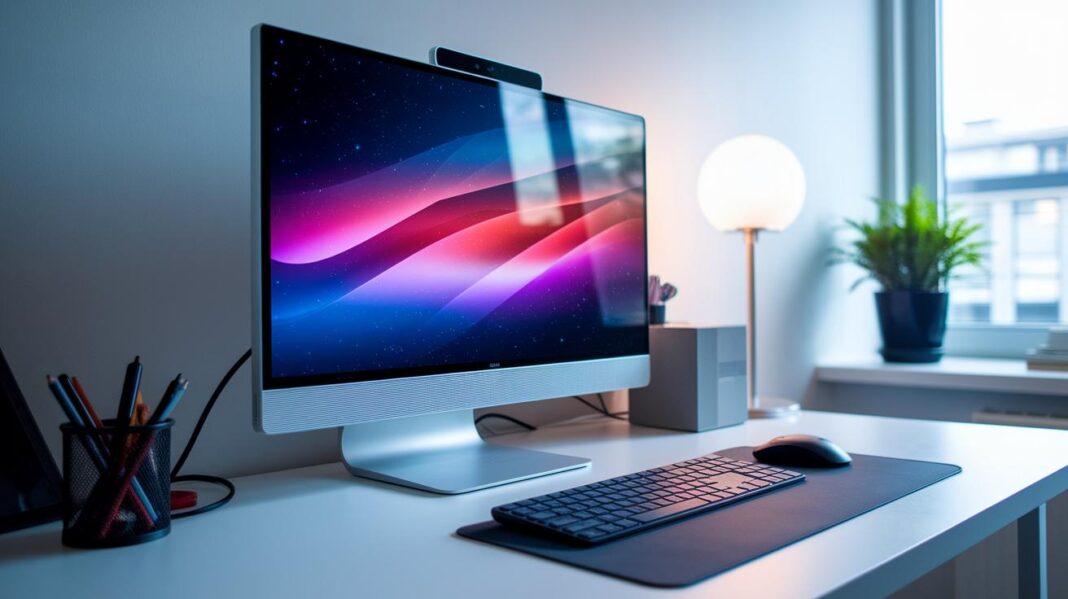
Have you ever imagined that your computer could tidy up your desk and help you work faster? An all-in-one desktop puts the processor, memory, storage, and display into one compact unit. This means less clutter and a quicker setup. With everything built in, you spend less time dealing with tangled cables and more time on your work. Its smart, simple design makes your space cleaner and keeps you focused on what matters.
all in one desktop computer empowers effortless efficiency
An all in one desktop computer brings the processor, memory, storage, and display together in one compact unit. This design lets you avoid having separate towers, monitors, and extra cases cluttering your desk. Before these modern systems, setting up a computer meant dealing with a maze of cables and boxes. With all components close together, these computers reduce signal loss and work more efficiently.
This style also cuts down on cable mess and saves space. With fewer external devices, you handle less wiring. Built-in items such as speakers, cameras, and microphones mean you have fewer ports to worry about. This not only speeds up the setup, but it also gives your workspace a cleaner, modern look.
- Space savings
- Easy setup
- Built-in audio and webcam
- Energy efficient
- Modern design
These perks are useful for different needs. Busy professionals will enjoy a tidier desk that minimizes distractions. Home users get a simple setup that handles daily tasks well. Even creative users and small business owners can benefit from an attractive, efficient system that lets them focus on their work.
Performance and Specs Evaluation for All in One Desktop Computers

Most all in one desktops include modern processors like Intel Core i5 or AMD Ryzen 5. They come with 8 to 16 GB of RAM and offer between 256 GB and 1 TB of solid state storage. These devices use built-in graphics such as Intel UHD or AMD Radeon Vega to handle everyday tasks and light creative work. This setup makes it easy to run several apps at once, start up quickly, and use power efficiently. Think of the processor as the engine and the graphics as the navigation system, both help the computer run smoothly.
| Model | CPU | RAM | Storage | GPU | Boot Time |
|---|---|---|---|---|---|
| Model Alpha | Intel Core i3 | 8 GB | 256 GB SSD | Intel UHD Graphics | 20 sec |
| Model Beta | AMD Ryzen 5 | 8 GB | 512 GB SSD | AMD Radeon Vega | 18 sec |
| Model Gamma | Intel Core i7 | 16 GB | 1 TB SSD | Intel Iris Xe | 15 sec |
| Model Delta | AMD Ryzen 7 | 16 GB | 1 TB SSD | AMD Radeon Graphics | 14 sec |
Entry-level models are good for basic document editing and web browsing. Midrange systems strike a balance that works well for everyday productivity and light multimedia projects. High-performance models are meant for users who do heavy editing and even enjoy casual gaming. This range helps shoppers find an all in one desktop that fits their budget and performance needs.
Design and Display Features in All in One Desktop Computers
All in one desktops are built with sturdy, premium materials like aluminum and quality plastics, making them feel solid yet light. Manufacturers design these machines with comfort in mind so you can work for long hours without strain. Early models used thick glass and heavy parts, but today's devices are much sleeker and easier to use.
Screen sizes usually fall between 21.5 inches and 27 inches. Most models offer 1080p resolution, and some even deliver crisp 4K images. A few come with touchscreen options that let you tap and swipe quickly when you need to navigate fast.
Slim bezels and adjustable stands let you change the viewing angle to suit your needs. The modern color finishes also fit well in any space while keeping distractions to a minimum. Think of it as a nearly borderless display that maximizes your screen area.
Multi-touch features make navigation smoother by allowing precise pinching, tapping, and swiping. This simple interaction makes everyday tasks more intuitive and enjoyable.
Budget-Friendly vs Premium All in One Desktop Computer Options
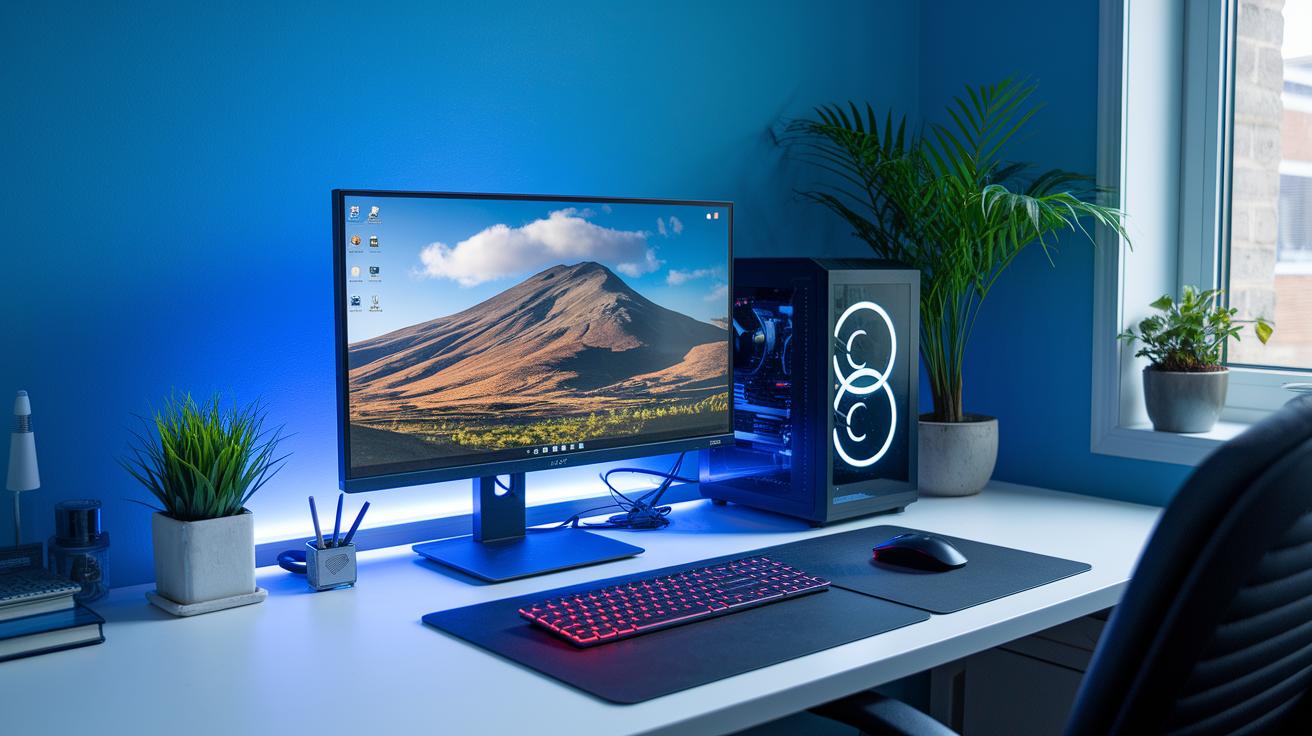
Budget desktops under $600 cover your basic computing needs. They usually have entry-level processors like the Intel Core i3 or AMD Ryzen 3, paired with 4 to 8 GB of RAM, simple integrated graphics, and storage options like a 256 GB SSD. These machines work well for everyday tasks like word processing, web browsing, and streaming. One user shared, "This setup starts up in just 20 seconds and handles emails and video calls without delay," which shows how even modest specs can meet daily needs.
Premium all-in-one desktops, priced above $1,200, pack more power for demanding workloads. They feature advanced processors such as the Intel Core i7 or AMD Ryzen 7, at least 16 GB of RAM, and even dedicated graphics. They also offer faster, larger storage solutions along with enhanced displays, like 4K resolution or touchscreens, and a sturdier build. These systems are perfect for creative professionals and power users who need reliable performance and multitasking capabilities.
Price-to-performance is clear with these options. Budget models deliver the essential functions for cost-conscious users, while premium desktops offer robust performance and extra features for those tackling more intensive work.
Other differences include power efficiency, warranty length, and long-term durability. Premium systems often provide better power management, longer warranties, and enhanced durability, which helps justify their higher price.
Brand Comparison of All in One Desktop Computers: HP, Dell, Lenovo, Apple
Major makers design all in one desktop computers to meet different needs. They mix style with performance in a compact package. Here, we explain what to expect from HP, Dell, Lenovo, and Apple.
HP All in One Models (Pavilion, Envy)
HP designs its all in one systems with a clean look and smart expandability. The Pavilion and Envy models have a solid build that works well for everyday tasks. They also let you add upgrades like extra storage or other devices later. Many users enjoy the clear design and extra connection options.
Dell Inspiron & XPS AIOs
Dell offers options for both casual and power users. The Inspiron line is reliable for daily use, while the XPS series uses tougher parts for heavy work. Dell models come with metal frames that feel strong and handle multitasking without much slowdown. Users note that the XPS series stays solid even under pressure.
Lenovo IdeaCentre & Yoga AIOs
Lenovo brings fresh ideas with flexible screen designs and simple docking features. The IdeaCentre and Yoga models usually have rotating screens and easy-to-use docks that let you change your setup quickly. This makes them a great pick for anyone who like to adjust their workspace on the fly. Users appreciate the rotating screen and plug-and-play docks, which add to the practicality.
Apple iMac Series
Apple’s iMac combines a bright Retina display with macOS that is both intuitive and smooth. These computers deliver vibrant visuals and work seamlessly with other Apple products. The minimal design and easy connectivity make the iMac a favorite for those who enjoy a polished, integrated experience.
Overall, each brand brings its own strengths. HP and Dell provide strong performance with room for upgrades, Lenovo excels with flexible design and docking options, and Apple offers a premium, smooth user experience. This variety means you can find an all in one that fits your style and needs.
Connectivity and Peripheral Integration in All in One Desktop Computers
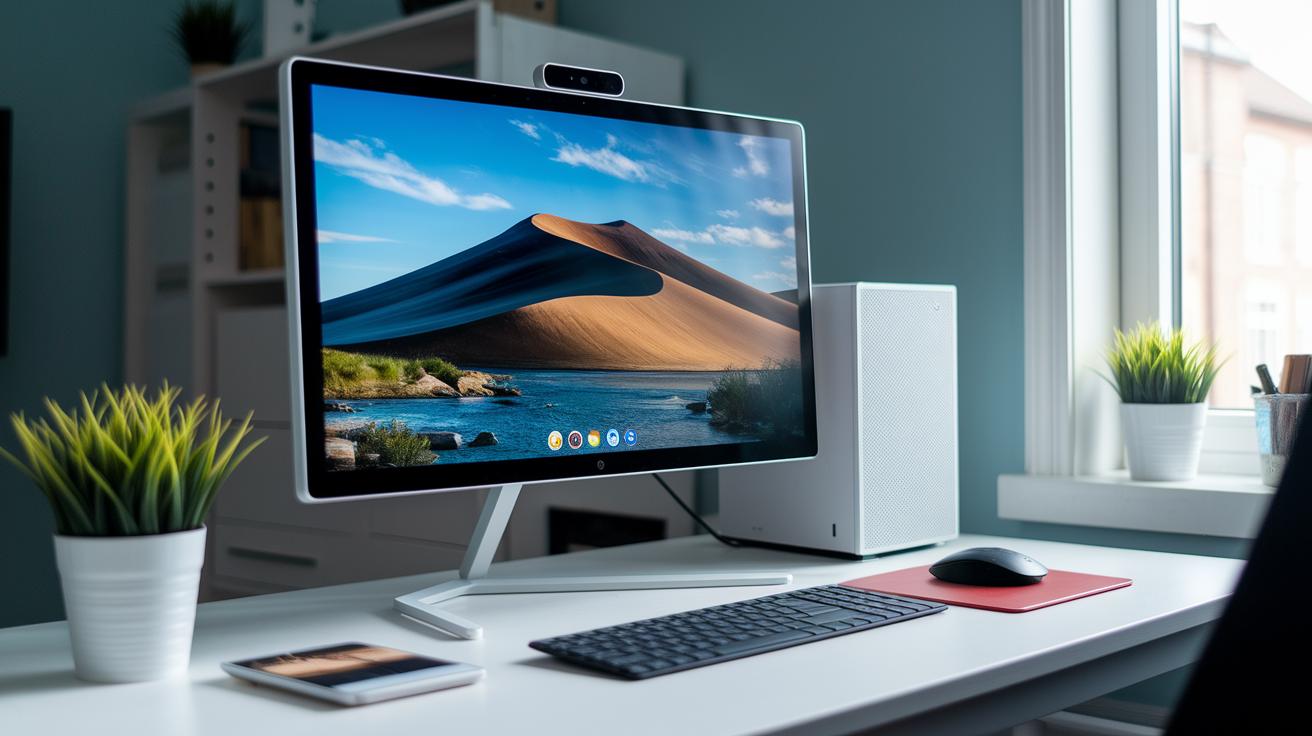
All in one desktops come with a range of wired ports that let you hook up many everyday devices. You'll see USB-A and USB-C ports for things like keyboards and drives, HDMI ports for extra screens, and Ethernet jacks for fast, steady internet. This mix lets you connect both old gadgets and newer tech, much like having a built-in docking station.
They also feature modern wireless tech such as Wi-Fi 6 and Bluetooth 5, which means you get fast and reliable connections. With built-in microphones and cameras, joining a video call or using voice commands is hassle-free. Imagine joining a virtual meeting without having to set up extra devices, the system does it all for you.
The audio setup is simple yet effective. Integrated speakers offer clear sound for movies and calls, and the headphone jack lets you listen quietly when you need to. This design keeps your work calls and entertainment sessions sounding great.
Connecting other peripherals is a breeze too. These desktops easily work with docking stations, wireless keyboards, extra monitors, and specialized input devices. This plug-and-play design helps keep your workspace neat and clutter-free.
Typical Use Cases for All in One Desktop Computers
All in one desktops are a great choice for remote work and office tasks. They make video conferencing smooth so teams can stay connected from meeting to meeting. Imagine starting your day with a video call that flows right into a group work session. One writer said, "My all in one makes remote teamwork effortless." This shows how these devices handle work apps and video tools without extra clutter.
At home, these computers work as a fun entertainment center. They play movies smoothly, display family photos nicely, and support casual gaming that does not need high-end graphics. One user noted, "It turns my living room into a mini theater." This built-in display and sound system makes watching films and sharing memories easy and fun.
For hobbyists, an all in one can run light games and basic editing tools. It plays popular games at moderate settings and supports creative apps for quick photo edits or video montages. This lets you dive into digital art without having to buy a separate, costly gaming computer.
In professional settings, these desktops serve as solid workstations. They handle detailed graphics work, video editing, and CAD tasks with a steady performance. Users who make presentations, edit HD videos, or design detailed models appreciate the clear, color-accurate displays and strong processing power that bring creative projects to life.
Buying Guide and FAQs for All in One Desktop Computers

When you shop for an all in one desktop computer, you need a system with a balanced mix of parts. Look for a strong CPU to keep performance smooth, at least 8 GB of RAM for easy multitasking, a clear display (usually 21.5-inch to 27-inch), and 256 GB or more of solid state storage to handle everyday tasks. Stick to a model that meets your needs and fits your budget.
Choosing a model with upgrade paths can make your computer last longer. Some designs let you add more memory or swap out drives when your needs change. Check if the system has easy-to-open compartments. This helps you upgrade without a lot of hassle and can save you money in the long run.
Warranty options, support plans, and built-in security features matter too. Look for models with extended warranties, friendly customer support, and regular software updates that include security patches. Good after-sales service and built-in encryption can protect your data and give you peace of mind.
Below are answers to some common questions:
-
Can I expand storage?
Many models include extra drive bays or let you add an external upgrade. -
How often are OS updates provided?
Choose systems known for regular software support. -
What does the warranty cover?
Most warranties cover hardware faults. Check if they include accidental damage. -
How easy is peripheral setup?
You can usually expect plug-and-play options with standard ports for keyboards, mice, and displays. -
Where can I find troubleshooting guides?
Most manufacturers offer online resources and printed manuals for basic issues.
For a smooth setup, start by installing the latest software updates. Set secure passwords and create recovery points. Keep your unit clean and back up important files. These steps help maintain solid performance over time.
Final Words
In the action, we walked through integrated components, sleek designs, hardware benchmarks, connectivity essentials, and real-world use cases. We compared features from top brands and detailed both budget-friendly and premium options for easy picking.
Our guide also answered common buying queries and offered a practical roadmap for setup and maintenance. The exploration shows that an all in one desktop computer provides efficiency and style for diverse needs.
Happy shopping and enjoy your new tech!
FAQ
What are the benefits of an all in one desktop computer?
An all in one desktop computer offers space savings, a streamlined setup with integrated components, built-in audio and webcam, energy efficiency, and an appealing design that reduces cable clutter and simplifies your workspace.
How do I know which tier of all in one desktop suits my needs?
Determining the right AIO depends on your tasks. Entry-level models handle everyday tasks, midrange systems suit multimedia editing, and high-performance options support productivity and light gaming.
What connectivity options can I expect from all in one desktops?
All in one desktops provide a range of wired ports like USB-A, USB-C, HDMI, and Ethernet, along with wireless options such as Wi-Fi 6 and Bluetooth, plus built-in microphones and cameras for full connectivity.
Are all in one desktops easy to set up and maintain?
All in one desktops are designed for easy setup due to fewer cables and an integrated design. They are straightforward to maintain, with basic troubleshooting typically sufficient for routine issues.
Can I upgrade components in an all in one desktop computer?
Upgrade options in all in one desktops are limited since many components are built-in. Some models allow RAM or storage expansion, so choose one that meets your long-term needs.