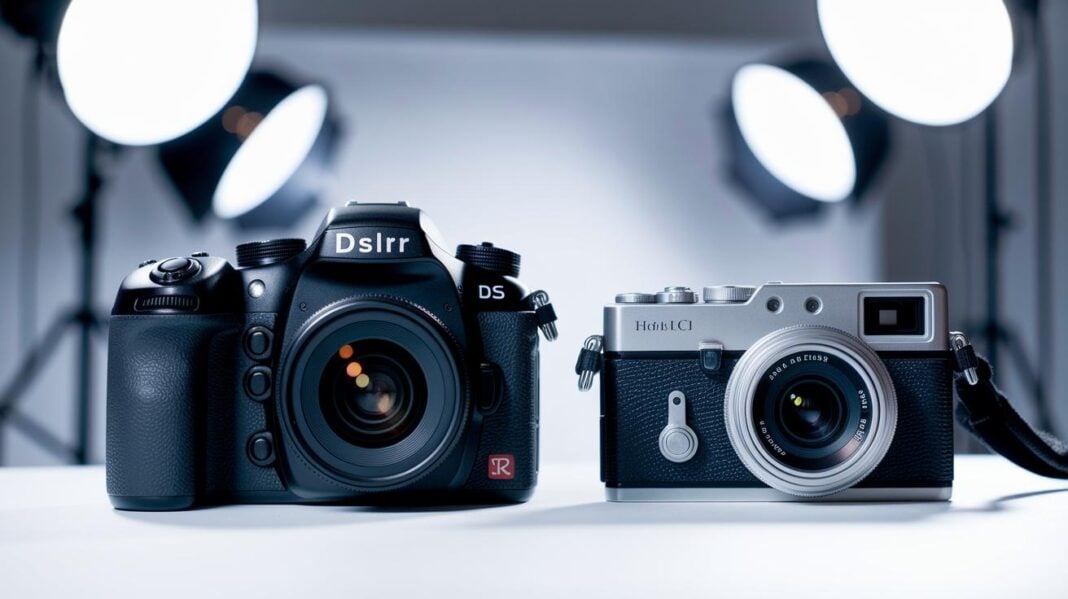
Have you ever wondered if a big DSLR with full manual controls really beats a small point-and-shoot? We break down the differences in sensor size, lens options, and ease of use. Our tests include real shooting examples and clear numbers to show you the trade-offs. Whether you're a pro or just starting out, our review helps you figure out which camera best fits your needs. Read on to see which one delivers the best quality for your everyday moments.
DSLR vs Point-and-Shoot: Head-to-Head Overview
DSLR cameras are made for those who want full control and great performance. They use larger sensors (the part of the camera that captures light) to record more detail. They also let you change lenses and adjust settings by hand. This makes them popular with pros and serious photographers. Their strong build and many features usually mean better image quality, but they are bulkier and heavier.
Point-and-shoot cameras suit those who value ease of use and portability. They are compact and light, with a fixed zoom lens that handles everyday shots well. These cameras work mostly on auto settings, so even beginners can snap good pictures quickly. They are a solid choice for travelers and hobbyists who want convenience without dealing with complex controls.
| Feature | DSLR | Point-and-Shoot |
|---|---|---|
| Sensor | Larger APS-C or Full Frame | Smaller 1/2.3″ to 1″ type |
| Lens System | Interchangeable options | Fixed zoom lens |
| Controls | Full manual controls | Automated and limited settings |
| Size/Weight | Bulkier and heavier | Compact and lightweight |
| Price | Generally higher investment | Typically more affordable |
This guide sets up a closer look at how each camera handles sensor quality, lens choices, and control options. In the sections that follow, we share test results, real-life shooting examples, and clear performance numbers to help you pick the right camera for your needs.
Sensor and Image Quality Comparison in DSLR vs Point-and-Shoot
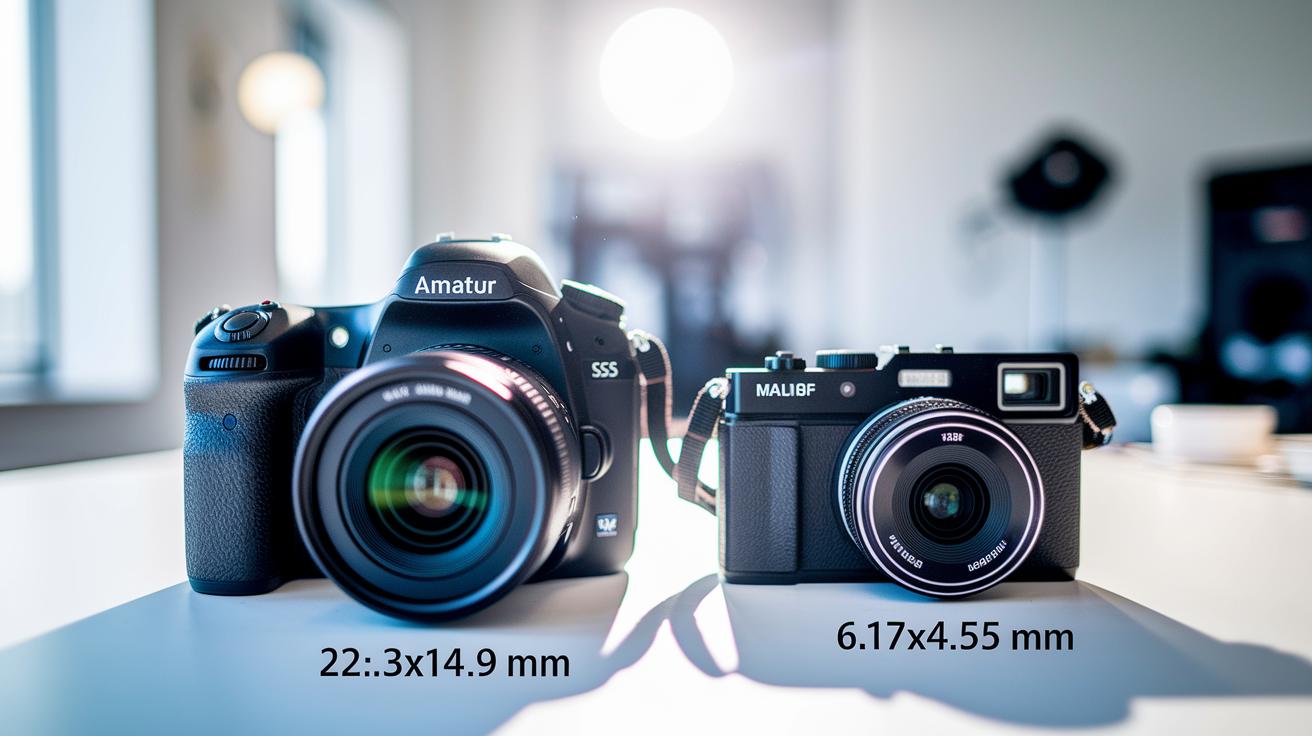
DSLR cameras use much larger sensors than point-and-shoot cameras. Many DSLRs have APS-C sensors that measure about 22.3×14.9 mm or even full-frame sensors. In contrast, point-and-shoot cameras use smaller sensors. These can range from 1/2.3″ (6.17×4.55 mm) up to 1″ (13.2×8.8 mm). A larger sensor lets the camera capture more light, which translates to less noise (random grain), a wider dynamic range (difference between dark and light areas), and more detail in the image.
DSLRs usually offer between 20 and 26 megapixels. This extra detail works well for large prints or zoomed-in crops. Point-and-shoot models provide about 10 to 20 megapixels. While more megapixels can mean sharper images, the sensor size is the key factor in picture quality. For example, when shooting a detailed landscape, a DSLR with an APS-C sensor picks up more nuance and clarity than a compact camera with a smaller sensor.
In everyday shooting, the larger sensors in DSLRs also perform better in low light. They produce images that show less grain and better tones, even in dim indoor or twilight settings. On the other hand, point-and-shoot cameras may show more grain and weaker color accuracy in similar conditions, which can noticeably affect the final image.
Lens Versatility and Zoom: DSLR vs Point-and-Shoot
DSLR cameras give you many lens choices thanks to their swappable lens systems and special lens mounts. You can start with a basic 18–55 mm kit lens or move on to telephoto, macro, or wide-angle lenses that are great for different scenes like portraits or landscapes. Because you can change the lens, you have the freedom to set up your camera just the way you need it. This makes DSLRs a top pick for photographers who love to experiment with different styles.
Point-and-shoot cameras work differently. They use a built-in zoom lens that can reach up to 40× optical zoom in some cases. This means you can capture wide-angle group shots or zoom in for far-off details without swapping any parts. They are designed for ease and speed, so you can start shooting right away without extra hassle.
- Weight: DSLRs are heavier because of extra lens options, while point-and-shoots are light and easy to carry.
- Reach: DSLRs let you swap lenses for more focal choices; point-and-shoots have a fixed but flexible zoom range.
- Image quality: DSLRs usually capture more detailed photos; point-and-shoots work well for casual photography.
- Cost: DSLRs are a bigger investment overall; point-and-shoots are generally more budget-friendly.
- Adaptability: DSLRs offer creative freedom with lens changes; point-and-shoots keep it simple and straightforward.
- Maintenance: DSLRs often need more care, whereas point-and-shoots are easier to maintain.
Autonomy and Controls: Performance in DSLR vs Point-and-Shoot
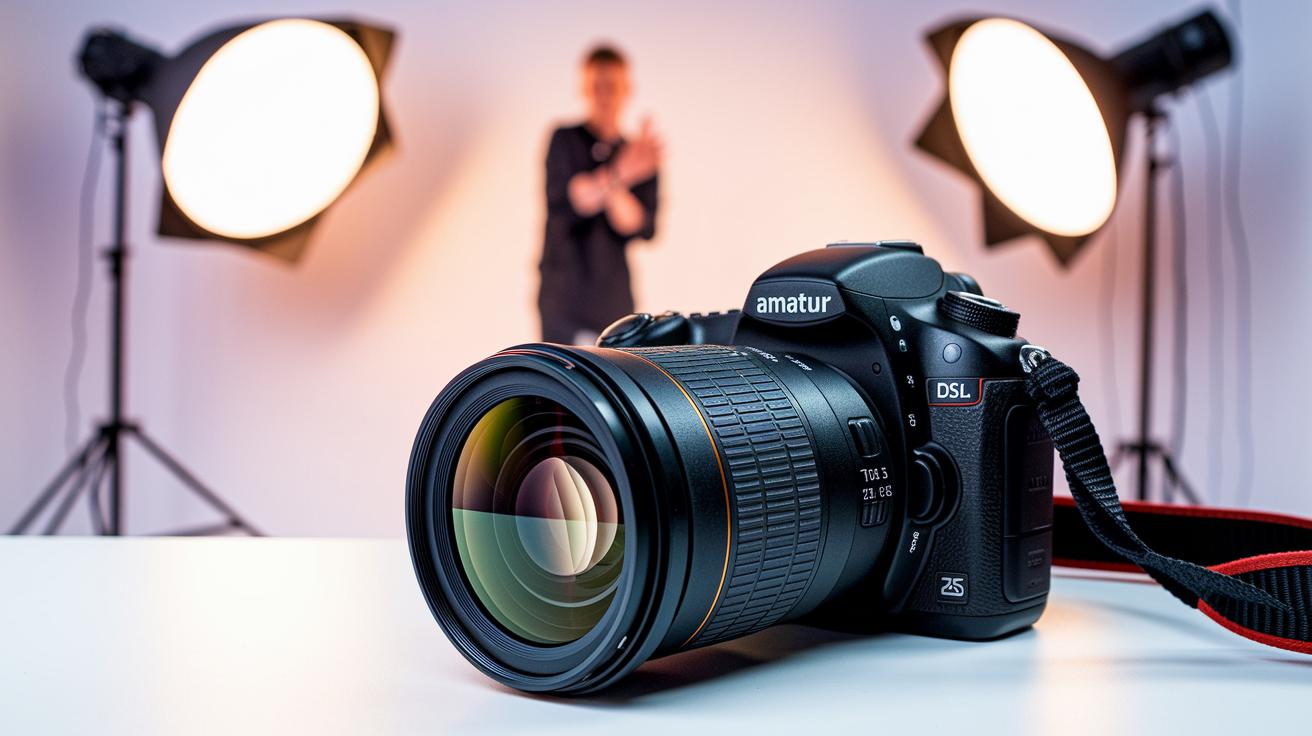
DSLR cameras come with advanced autofocus systems that pack a high number of AF points and solid tracking modes. For example, the Canon R6 features over 1000 AF zones and uses continuous drive focus to quickly adjust when the subject is moving. In contrast, point-and-shoot cameras rely on a hybrid autofocus that mixes contrast detection with fewer phase-detection points. This simpler setup works well for everyday snaps but may fall short in low light or fast-action scenes.
When it comes to shooting modes, DSLRs offer a broader range of options like Program, Aperture, Shutter, and Manual settings. These modes give you full control over exposure, white balance, and focus for more precise images. Point-and-shoot cameras, however, stick to Auto and Scene modes that choose the best settings for normal conditions. This means DSLR users can fine-tune their shots, while point-and-shoot users enjoy quick and simple shooting.
DSLRs also usually include built-in optical stabilization and let you adjust settings in real time. Point-and-shoots might have basic electronic stabilization, but they rarely allow for manual tweaks. These differences in controls provide a clear edge for photographers who need precision and adaptability in their work.
DSLR vs Point-and-Shoot: Superior Quality Options
When you travel or carry a camera every day, the weight and size matter a lot. A DSLR usually weighs between 400 g and 900 g with the battery and lens attached. That makes it best to keep in a bag. In contrast, many point-and-shoot cameras weigh less than 300 g. This makes them ideal to slip into a purse or a small bag when you're on the move.
Handling is another key factor. DSLRs use optical viewfinders and have big grips. Many photographers like this because it lets them frame shots quickly. Point-and-shoot cameras, on the other hand, depend on an LCD screen. This setup works well for quick shots and is perfect if you enjoy a simple, touch-based way of taking pictures, especially on sunny days or during casual outings.
Battery life is also different between the two. DSLRs can take between 200 and 1,000 shots on one charge. Point-and-shoot cameras usually have simpler charging needs and take fewer shots overall. These differences can be important if you plan to use your camera for long days or while traveling.
Cost and Value Analysis: DSLR vs Point-and-Shoot
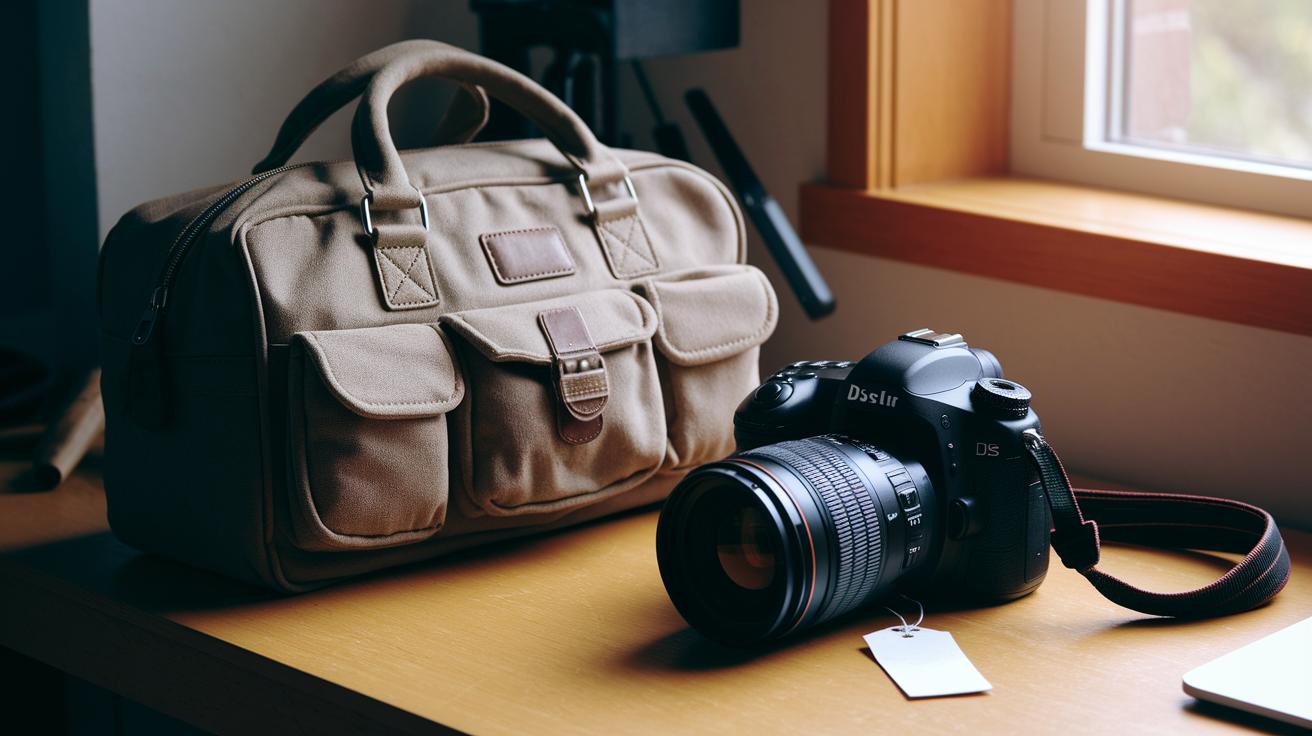
DSLR cameras usually come with a higher price tag. An entry-level DSLR body starts at about $400. When you add a kit lens (usually an 18-55 mm), the price can rise to between $600 and $1,000. Extra gear like additional lenses, memory cards, and camera bags makes the overall investment even higher.
Point-and-shoot cameras, on the other hand, are friendlier on the wallet. They often range from $150 to $500. This lower cost makes them a great choice for hobbyists or anyone who wants to start taking photos right away without a heavy upfront investment. Many first-time photographers choose point-and-shoot models because they can jump right into shooting without a steep investment.
If you look at the used market, DSLRs can offer extra value. Second-hand DSLR bodies may cost 20-40% less than new ones, which can be a smart option for those on a budget. Buying used gear can lower the total cost over time, especially if you plan to upgrade lenses gradually. Even though point-and-shoot cameras usually have a lower resale value, their lower upfront cost means there’s less financial risk if you decide to switch later.
This cost-versus-value look helps you decide which camera system fits your budget and long-term goals.
Choosing Between DSLR vs Point-and-Shoot: Use Cases and Recommendations
For casual travel, a point-and-shoot camera is a great fit. It is small and light, easily slipping into a pocket or bag. With smart auto settings and a fixed lens, you can focus on your adventure without worrying about tricky controls. This means you can snap a busy market scene quickly and simply.
If you are just starting out in photography, a DSLR can be an excellent learning tool. It offers manual controls like aperture and shutter speed (the time your camera's sensor is exposed to light) that help you master exposure. You also get the chance to switch lenses, letting you try different styles. This setup lets you improve your skills while keeping your creative options wide open.
For low-light or sports photography, a DSLR really stands out. It provides fast autofocus and strong high-ISO performance (the sensor's sensitivity to light), which is key when you need to capture motion or shoot in dim light. The ability to swap lenses and fine-tune settings makes it easier to get sharp, detailed shots in challenging conditions. This system is ideal for photographers who demand both speed and versatility.
Final Words
In the action, this piece compared sensor quality, lens choices, controls, handling and cost to show how each system fits different shooting needs. We broke down the trade-offs in clear comparisons so readers can weigh pros and cons without second-guessing.
This guide makes the dslr vs point and shoot debate more understandable and less stressful. With simple details and real-world insights, you can confidently choose the camera that fits your style and budget, knowing the facts speak for themselves.
FAQ
How are DSLR and point-and-shoot cameras discussed on Reddit?
The Reddit discussions compare DSLRs and point-and-shoot cameras by examining sensor performance, manual controls, and overall ease of use, highlighting pros and cons for both casual and advanced photography.
How does DSLR vs point-and-shoot photography compare?
DSLR vs point-and-shoot photography compares image quality, features, and manual settings, with DSLRs often offering better low-light performance and creative control, while point-and-shoots provide simplicity and portability.
What are the differences among point-and-shoot, DSLR, and mirrorless cameras?
The comparison among point-and-shoot, DSLR, and mirrorless cameras reveals differences in sensor size, lens flexibility, and handling. DSLRs offer interchangeable lenses and superior manual control, while mirrorless systems and point-and-shoots prioritize compact design.
What should beginners consider when choosing between DSLRs and point-and-shoot cameras?
Beginners should note that DSLRs deliver more manual control and room to grow, whereas point-and-shoots emphasize simplicity and portability, making them easier to carry and use right out of the box.
What is a point-and-shoot camera?
A point-and-shoot camera is a compact device with a built-in lens that automatically adjusts settings, designed for quick and simple photography without the complexity of interchangeable lenses.
How do point-and-shoot and mirrorless cameras differ?
The contrast between point-and-shoot and mirrorless cameras lies in their design and functionality; mirrorless cameras offer interchangeable lenses and greater control, while point-and-shoots excel with a simple, pocket-friendly design.
What defines a DSLR camera?
A DSLR camera is defined by its single-lens reflex design, featuring an optical viewfinder, interchangeable lenses, and advanced manual controls that make it suitable for various professional photography needs.
What is the main difference between a DSLR and a point-and-shoot camera?
The main difference is that DSLRs offer interchangeable lenses and extensive manual settings for greater control, whereas point-and-shoot cameras feature fixed lenses and automation for ease of use.
Is a point-and-shoot camera the same as a DSLR?
A point-and-shoot camera is not the same as a DSLR; DSLRs provide greater control and lens versatility, while point-and-shoot models offer a simple, compact design with built-in lenses.
Are point-and-shoot cameras better than SLRs?
The choice between point-and-shoot cameras and SLRs (DSLRs) depends on user needs; SLRs deliver more manual control and superior image quality, whereas point-and-shoots provide convenience and a lightweight design.
Why would a professional photographer choose a DSLR over a point-and-shoot?
A professional photographer would choose a DSLR for its high-quality sensor, advanced manual controls, interchangeable lenses, and better performance in low-light conditions, which offer greater creative flexibility.
What are the notable features of the Canon PowerShot G7 X Mark III Digital Camera?
The Canon PowerShot G7 X Mark III features a compact build, strong image stabilization, a bright lens, and excellent video capabilities, making it ideal for vloggers and flexible photographers on the go.
What distinguishes the Fujifilm X100 V silver edition?
The Fujifilm X100 V silver edition stands out with its classic design, fixed 23mm lens, impressive color reproduction, and responsive manual controls, catering to enthusiasts who appreciate a blend of tradition and modern technology.
What makes the Sony RX100 series, including the Mark VII, notable?
The Sony RX100 series, including the Mark VII, is celebrated for its pocket-sized design, fast autofocus, and excellent image quality from a large sensor, offering a blend of portability and performance for various shooting needs.
What are the key highlights of the Fujifilm X100VI Digital Camera?
The Fujifilm X100VI delivers a sleek design with a fixed sharp lens, outstanding color rendering, and intuitive manual settings, making it an attractive choice for those who value a retro feel alongside modern performance.
What distinguishes the KODAK FZ55 in the camera market?
The KODAK FZ55 is recognized for its affordability, ease of use, and decent image quality, ideal for casual users who want straightforward point-and-shoot functionality without extra complexities.
What features define the Canon EOS R50?
The Canon EOS R50 is defined by its mirrorless design, fast autofocus, and clear touchscreen interface, offering excellent image quality and an intuitive experience that appeals to both beginners and photography enthusiasts.