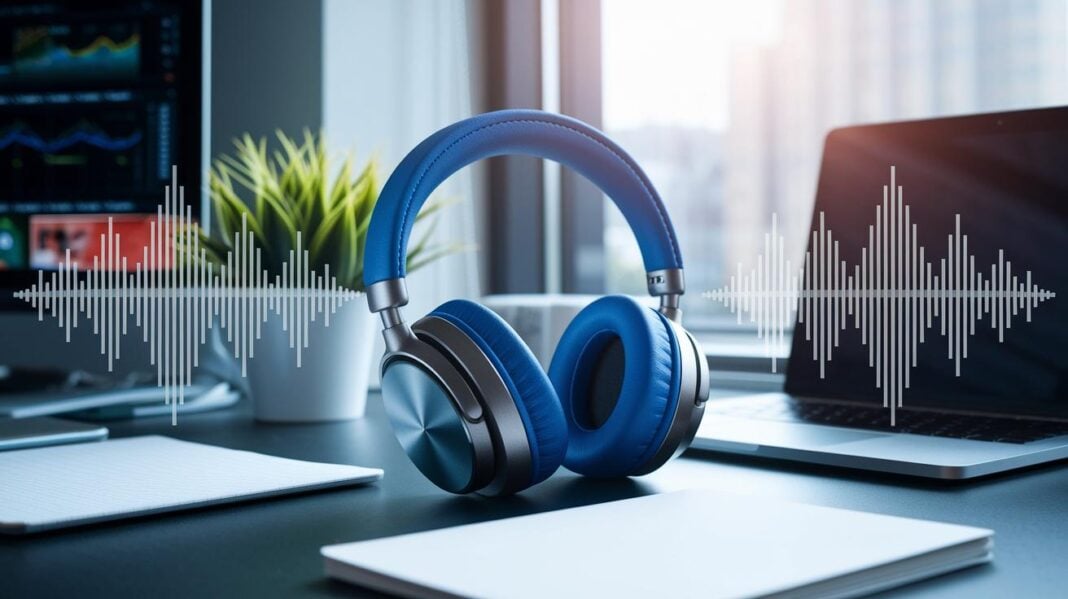
Are noise cancelling headphones really harmful to your ears? Many worry that cutting out background noise might put extra strain on the ears over time. However, research shows that these headphones let you listen at lower volumes. They cancel out about 20 to 25 dB of ambient noise, which means you avoid dangerous sound levels that can cause permanent damage when listened to too loudly for long periods. Used at a moderate volume, noise cancelling headphones are a safe way to enjoy your music without putting your hearing at risk.
Evaluating Hearing Risks from Noise Cancelling Headphones
Noise cancelling headphones have raised questions about whether they might harm your hearing. Many people worry that cutting out background noise could strain your ears over time, especially if you don't keep the volume at safe levels.
Active noise cancellation works by emitting signals that cancel out background sounds. This means you can listen at a lower volume, which helps protect your ears from harmful sound levels. Research shows that when you use these headphones at moderate volumes, they do not damage hearing. In fact, by cutting ambient noise by about 20-25 dB, they lower your risk of exposure to dangerously high levels, like 100 dB for 15 minutes, which could otherwise cause permanent harm. Studies confirm that the technology is safe, and the main risk comes from listening too loudly rather than from the noise cancelling feature itself.
High volume remains the leading cause of hearing loss. Since the FDA does not regulate headphone sound levels, you must take steps to listen responsibly. While some experts have suggested that overuse of noise cancellation might lead to issues with auditory processing, this idea remains unproven. Keeping your volume around 60% or lower lets you enjoy the benefits of reduced background noise without added risk.
Used correctly, noise cancelling headphones offer protection by letting you listen safely at lower volumes.
How Active and Passive Noise Cancelling Headphones Work and Impact Ear Health
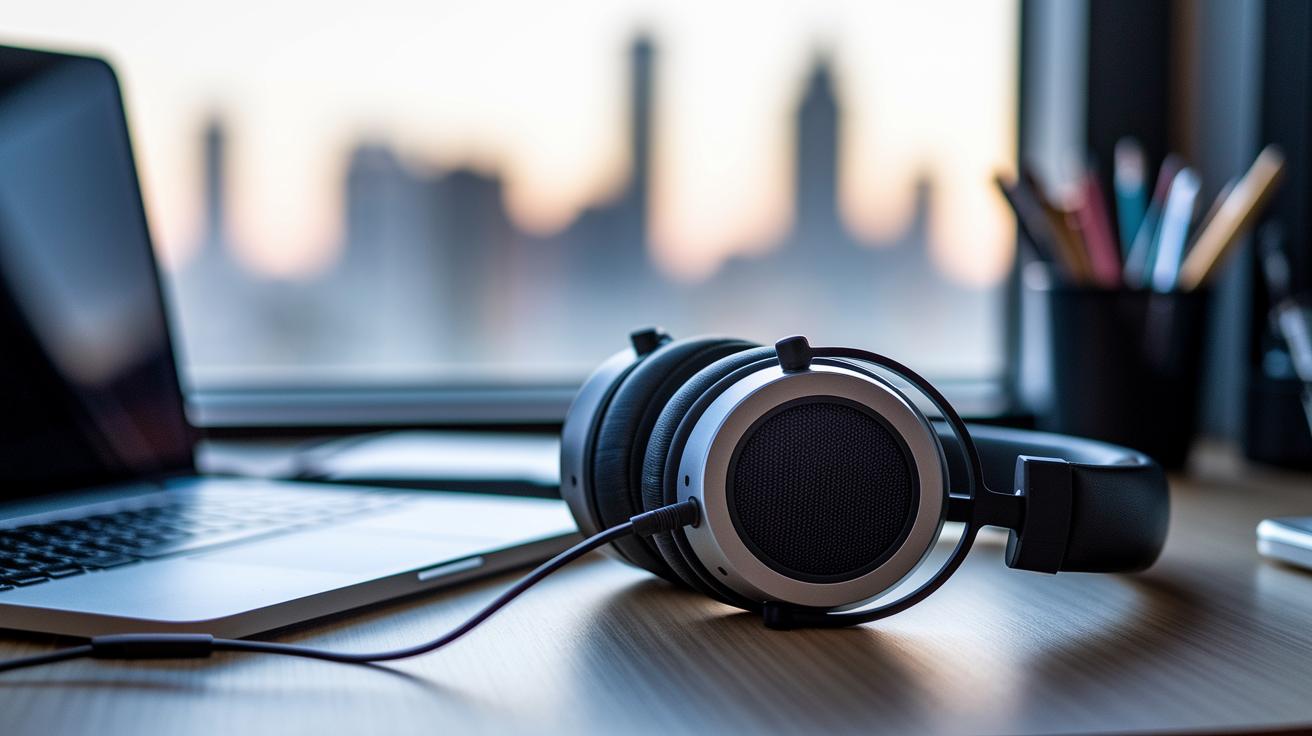
Active noise cancelling (ANC) technology uses small built-in mics to pick up sounds around you. The headphones then send out a sound wave that is the opposite of the nearby noise. This anti-noise signal can cut unwanted sounds by 20-25 dB. As a result, you can listen at lower volumes while most background noise is blocked. Many over-ear headphones use this feature to help lower your overall noise exposure and protect your ears.
Active Noise Cancellation Mechanism
Inside the headphones, tiny microphones keep a constant watch on the sounds in your environment. When noise is detected, the device quickly generates an opposite sound wave (anti-noise) to cancel it out. This means that even in busy places, you do not need to raise the volume too high. The smoother sound can help reduce ear fatigue and make listening more comfortable.
Passive Noise Isolation Features
Passive noise isolation stops external sounds by using thick padding or snug in-ear seals. These physical barriers block sudden, high-frequency sounds right away without needing any extra processing. This method works well when unexpected noises occur, giving you instant sound control. Although active ANC is very effective, some users may feel slight pressure from it. On the other hand, passive isolation feels more natural but may not be as adjustable. A mix of both techniques can provide strong sound suppression while keeping your ears comfortable.
Clinical Evidence on Noise Cancelling Headphones and Hearing Safety
Several peer-reviewed studies show that active noise cancelling headphones lower background noise by about 20-25 dB. This drop means you can listen at lower volumes, which helps cut down on listening fatigue. It fits with guidelines that suggest keeping the volume at or below 60%. One study even found that using lower volumes greatly reduces the risk of ear strain.
Long-term data backs up that following these practices keeps your hearing safe. A study from 2025 brought up possible concerns about auditory processing, but the evidence does not call for any changes to current advice. Experts recommend keeping the volume at 60% and taking breaks every hour to further reduce any risk.
Myths vs Facts: Noise Cancelling Headphones and Hearing Damage
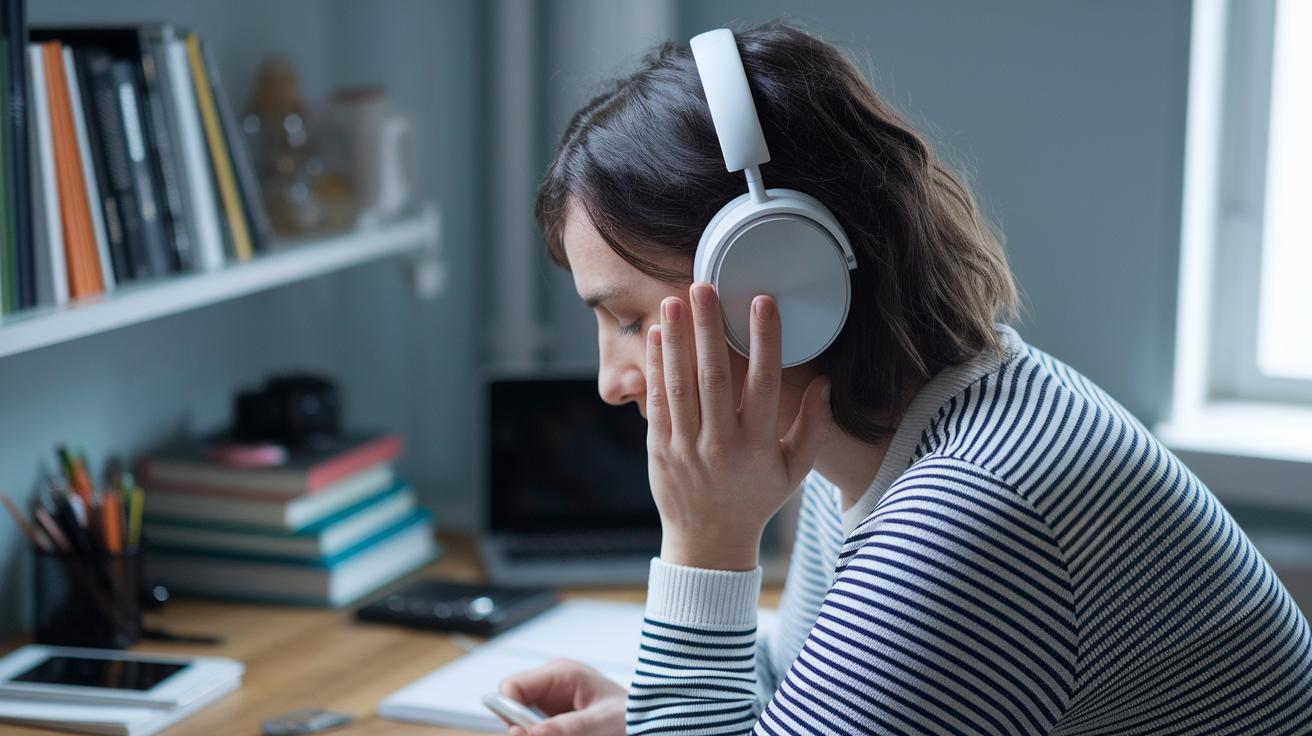
Many people have worries about noise cancelling headphones. They think the headphones block out all sound and might harm the ears or even cause infections. The facts show a different story.
-
Myth: Active noise cancellation (ANC) blocks all sound and harms your ears.
Fact: ANC reduces background noise so you don’t have to turn up the volume, which helps keep your hearing safe. -
Myth: Stopping sound can lead to ear infections.
Fact: There is no evidence that using ANC devices increases the risk of ear infections. -
Myth: The pressure from ANC causes lasting damage.
Fact: Any pressure felt from the technology is light and goes away naturally. -
Myth: Noise cancelling technology itself harms your hearing.
Fact: The real danger is from listening at high volumes, not from the ANC feature.
When used properly, noise cancelling headphones lower background noise without causing harm. Keep your volume at a safe level and enjoy the benefits without worry.
do noise cancelling headphones damage hearing: Good News
Listening responsibly is key to enjoying noise cancelling headphones safely. Keeping your volume low and following a few simple tips can protect your hearing while cutting out unwanted noise. Here are six practical guidelines:
- Keep your volume at 60% or less. This rule helps prevent loud sounds from hurting your ears.
- Take a break every hour. Short rests let your ears recover and reduce listening fatigue.
- Ensure your headphones fit well. A secure, comfortable fit boosts noise cancellation and lets you use lower volumes.
- Use apps that track your listening habits. Monitoring your volume over time can warn you about risky sound levels.
- Watch for early signs of hearing loss, like ringing or tinnitus. Spotting issues early helps you adjust your usage before damage occurs.
- Consider open-ear ANC models for work or travel settings. These designs let you stay aware of your surroundings while cutting down on background noise. You can check out noise cancelling headphones for work here.
Following these steps lets you enjoy clear, immersive sound without worry. By keeping your volume low, taking regular breaks, and making sure your headphones fit properly, you lower the risk of ear fatigue and long-term damage. Tracking your listening habits and paying attention to early symptoms further protects your hearing.
Comparing Noise Cancelling Headphones with Passive and Traditional Options
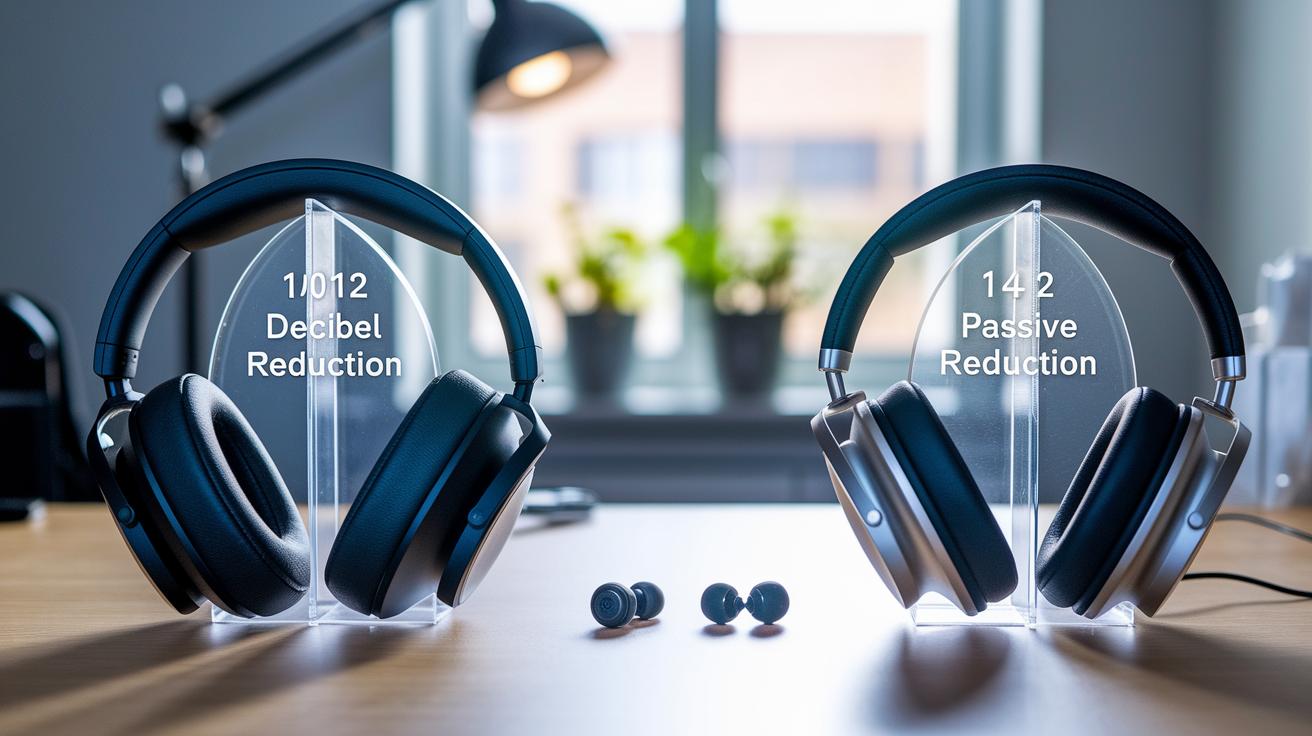
When you look at different noise reduction headphones, you'll see that each type works in its own way to keep unwanted sounds away. Over-ear active noise cancelling (ANC) headphones use a built-in system that creates opposite sound waves. This process can lower noise by up to 25 dB but may feel a little like a soft pressure on your ears. In contrast, over-ear passive headphones block sound with thick cushioning. They act as a barrier against high-frequency noise without any electronic processing. Meanwhile, in-ear passive earbuds seal the ear canal to offer quick protection from sudden loud sounds. All these options help cut down background noises and promote safe listening, especially when you keep the volume moderate.
| Feature | Noise Reduction Level | Ear Impact |
|---|---|---|
| Over-Ear ANC | Up to 25 dB | Slight pressure; reduces volume needs |
| Over-Ear Passive | Varies with cushioning | Immediate block; natural fit |
| In-Ear Passive | High thanks to sealed design | Secure fit; fast noise protection |
For daily use, over-ear ANC is best in steady, noisy places where lowering the overall sound is important. Over-ear passive headphones work well when you expect sudden, high-pitched sounds and need an instant block. And if you need a compact option with quick isolation, in-ear passive earbuds are the way to go.
Recognizing Ear Strain from Noise Cancelling Headphones and Seeking Help
If you use noise cancelling headphones for a long time, you might feel some ear discomfort or pressure. About 10-15% of users report these signs. You may notice a feeling of fullness or slight pain that means your ears are working too hard.
Some people also hear a steady ringing, find sounds muffled, or feel a constant, uneasy pressure. These issues usually come from high volume rather than the noise canceling itself. If you see these signs often, your headphones might not be fitting well. Simple fixes like replacing the cushions or adjusting the fit can boost comfort. Keeping an eye on these signals helps prevent long-term problems.
If ringing or muffled hearing continues for more than 24 hours, it is best to get a hearing test. An audiologist can check for underlying issues and advise on improvements such as professional headphone fittings or cushion upgrades.
Final Words
In the action, we reviewed how noise-cancelling headphones lower unwanted noise and protect your ears while cutting down on listening fatigue. The article broke down both active and passive techniques and shared study results that support safe listening with moderate volume. We cleared up common myths and offered easy tips to keep your ears healthy. Follow these habits to get the best sound without worry. Do noise cancelling headphones damage hearing? With smart usage, they serve as a safe, effective tool.
FAQ
How do noise cancelling headphones affect hearing?
The question about how noise cancelling headphones affect hearing means that these devices lower surrounding noise, allowing users to listen at moderate volumes. Research and online input show no inherent hearing damage when used responsibly.
Is noise cancelling bad for your brain?
The question about brain impact indicates that noise cancelling technology works solely on ambient sounds. Current studies and expert opinions confirm that it does not negatively affect brain function.
Do noise cancelling headphones cause tinnitus?
The question on causing tinnitus suggests that noise cancelling headphones are not directly linked to it. Tinnitus is more commonly related to listening at high volumes rather than the active noise cancellation feature.
Is noise cancelling bad for your ears on a plane?
The question regarding airplane use implies that noise cancelling headphones often provide ear protection by reducing engine noise, which helps users avoid turning up the volume excessively during flights.
Does noise cancelling prevent hearing damage?
The question about preventing hearing damage shows that noise cancelling can lower the need for high volume levels, thereby offering additional ear protection. Still, safe listening practices remain critical.
Does noise cancelling drain battery?
The question on battery usage points out that active noise cancelling requires extra power for its microphones and circuits. This additional power draw can reduce battery life when compared to non-ANC models.
Does noise cancelling cause nausea?
The question about nausea suggests that while a few users might feel slight discomfort or dizziness when using noise cancelling headphones, this response is uncommon and often linked to individual sensitivity.
What are the downsides of noise cancellation?
The question about downsides reveals that noise cancellation may introduce slight ear pressure, modest battery drain, and sometimes a lag in blocking sudden noises, though these effects are generally minimal.
Is hearing damage reversible?
The question on reversibility explains that mild hearing issues might improve with rest, but once significant hearing loss from high-volume exposure occurs, the damage is not reversible. Preventive care is key.
What are the safest headphones for your ears?
The question about safe headphones indicates that the best models combine effective noise cancellation with passive isolation to let you listen at moderate volumes. Look for models with strong reviews on comfort and hearing protection.