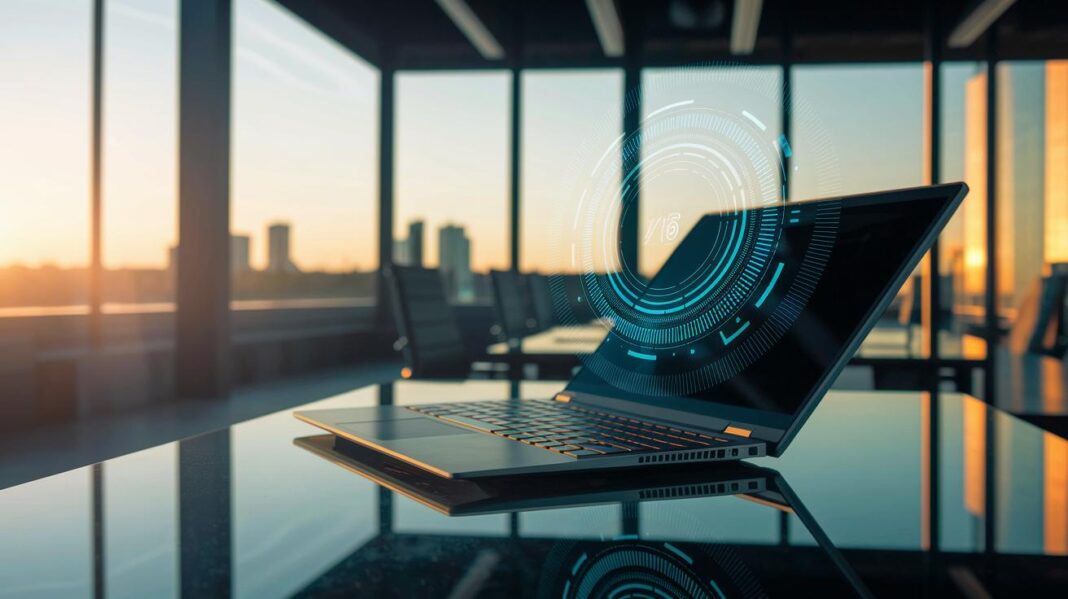
Do you think a laptop can be both green and smart? New ultrabook designs show that it can. They are getting lighter and use recycled materials along with smart features like foldable screens and real-time AI tools (software that helps with tasks automatically). These improvements not only boost performance but also protect the environment. As designs evolve, future ultrabooks will have even sleeker builds and more intuitive interfaces, changing how we work and play on the go.
Key Ultrabook Laptop Design Innovations Driving Future Trends
Global PC shipments rose by 4.9% in Q1 and 4.4% in Q2 2025. This steady growth is pushing laptop makers to design lighter, smarter ultrabooks. They are using ideas from well-known models like the MacBook Air and Dell XPS, and adding new AI features for tasks like real-time transcription and photo editing.
Design trends now include foldable displays and flexible shapes. These ideas, first used in smartphones, are now shaping laptop designs. Manufacturers are also using new materials like recycled aluminum and biodegradable plastics to build stronger yet thinner devices. They keep updating the sleek, metallic look so that the laptops feel as good as they look.
Looking ahead to 2026 and beyond, we expect even smarter interfaces and personalized user experiences with more machine-driven features. As key parts shrink, ultrabooks will get even thinner and more eco-friendly. Today's top models mix cutting-edge innovation with streamlined design, setting a fresh standard for portable computing.
Aerodynamic and Material Breakthroughs in Ultrabook Chassis Design
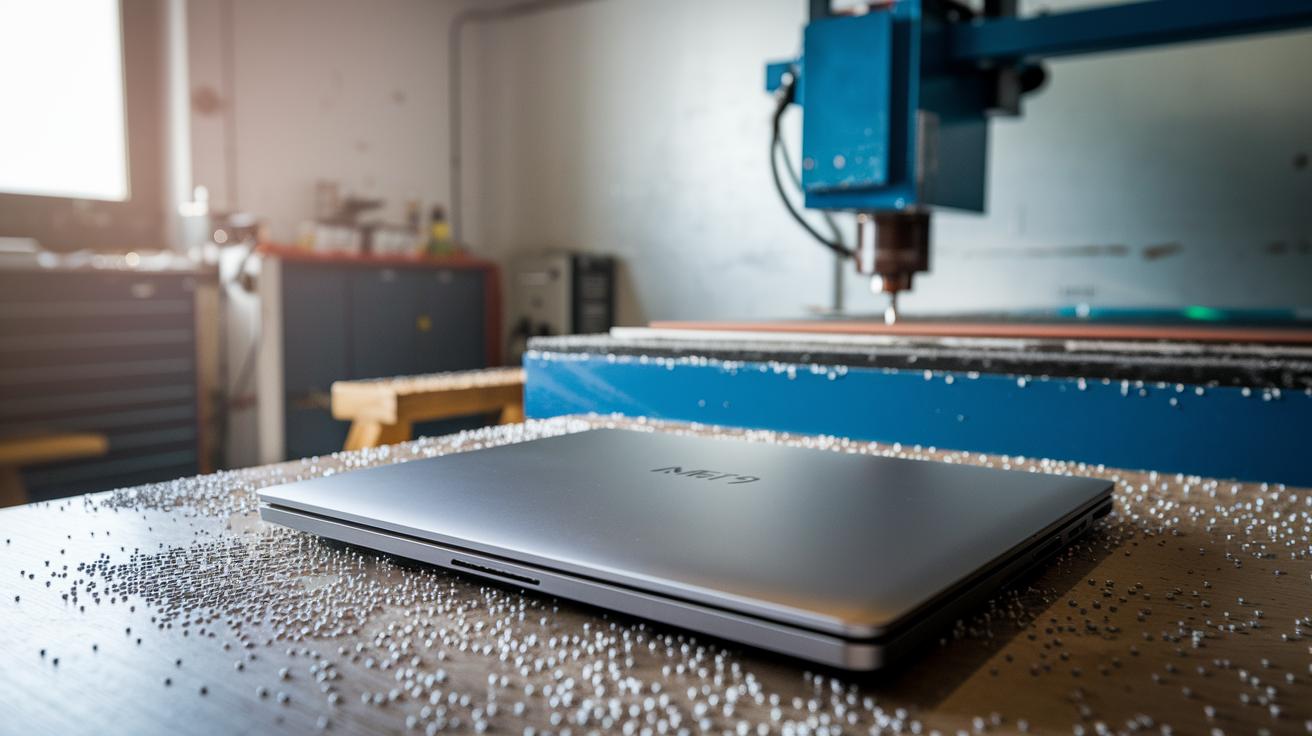
Next-generation ultrabooks set a new bar with their aerodynamic chassis designs. They use recycled aluminum, magnesium alloys, and conductive polymers to keep devices under 1 kg. This approach makes the laptop very light without losing strength. Manufacturers now use lightweight alloys, biodegradable plastics, and recycled metals to cut waste. Precision CNC machining shapes the chassis to reduce drag when you carry it. This is a key part of the new design trend.
New designs add a refined outer layer with subtle surface textures that boost both style and durability. For example, the Dell XPS 13 comes with a machined aluminum unibody. Meanwhile, the HP Spectre uses a carbon-fiber reinforced polymer frame. Both cases show how lightweight materials can be strong and elegant, making them a great choice for users who want a portable yet tough device.
Recent advances also focus on better heat management and a firm build. This marks a true revolution in ultrabook design. By combining eco-friendly materials, modern production methods, and ergonomic performance, manufacturers prove that high performance and minimal weight can go together.
Advanced Thermal Dispersion and Power Efficiency in Ultrabook Laptops
Ultrathin vapor-chamber heat sinks paired with graphite layers push cooling tech to a new level. This design keeps ultrabooks running cooler even when the CPU and GPU work hard, dissipating up to 60 W of heat while keeping the laptop slim. It uses a quiet fan and venting system that stays under 30 dB, and well-placed vents boost airflow so heat leaves the device smoothly.
Innovations in power management are just as impressive. New solid-state battery prototypes offer 20–30% longer runtime than current lithium-ion packs. AI-driven energy management adjusts power in real time, which can extend battery life by up to 25%. These improvements work together with smart vent designs to keep your ultrabook cool and quiet, even during heavy tasks.
Combined, these advances in cooling and power management deliver a robust ultrabook that stays cool, quiet, and ready for action. These breakthroughs set a clear path for the next generation of ultrathin devices.
Ergonomic and Interface Upgrades Shaping Ultrabook Laptop Usability

Modern ultrabooks now feature advanced input systems that offer quick and secure interactions. They come with low-profile scissor-switch keyboards that have 1.5 mm key travel, providing a more comfortable typing experience and helping you type faster. Imagine a keyboard that responds instantly to every keystroke so you can type quickly without straining your fingers, that’s what this design delivers. Optional haptic feedback gives a slight vibration with each key press, adding extra satisfaction.
The precise glass touchpads now record inputs at over 1000 Hz (the rate at which the touchpad reads your touch). This means your cursor follows your finger with excellent accuracy, almost in real time. Voice commands and AI-based personal assistants simplify everyday tasks by letting you set reminders or open apps without even touching your device, making hands-free work a breeze.
Built-in biometric sensors, such as fingerprint readers and IR facial recognition, allow you to log in in less than 0.5 seconds. This not only makes access quick but also keeps your device safe. Ultra-slim hinge designs let you type at a flat 180-degree angle, further improving comfort. Together, these enhanced input methods and smart security features take ultrabook usability to a whole new level, resulting in a system built for speed, comfort, and top-notch protection with every use.
Cutting-Edge Display Technologies and Connectivity in Ultrabook Laptop Evolution
Next-generation ultrabook displays now use flexible OLED and micro LED panels. These screens run at a 120 Hz refresh rate and can hit HDR brightness levels above 1000 nits while using 30% less power. Manufacturers are also trying foldable display designs that let you adjust the screen size for different tasks. This means you can have a device that is both portable and great to watch on.
New designs now feature a borderless panel that pushes screen-to-body ratios above 93%. This creates a nearly seamless look that pulls you into your work or play. Micro LED technology is getting better too, offering brighter images and true-to-life colors along with lower power use. Early models show promise in both sunny outdoor settings and dim indoor spaces.
Connectivity has stepped up as well. Many ultrabooks now come with built-in 5G modems and Wi-Fi 6E radios. Together, they offer latency under 10 ms for smooth cloud gaming and VR streaming. Adopting WiFi6 means you enjoy fast and stable wireless connections during heavy use.
Manufacturers are also adding Qi-compatible wireless charging pads in the palm rests. This modern feature lets you charge your laptop and mobile gadgets without extra cables. It even sets the stage for future accessories like AR or MR headsets, making these ultrabooks ready for new mixed-reality work and play.
Artificial Intelligence and Future Ultrabook Laptop Experiences

Almost half of ultrabooks in 2025 now come with AI-enabled processors. These chips help with live transcription (real-time text conversion), adjust performance based on how you use the device, and save battery life. The laptop learns your habits and fine-tunes its settings, like preloading apps, adjusting fan speeds, and speeding up routine tasks. It even predicts when heavy use might cause overheating and shifts power to keep things running smoothly.
Laptops also use hardware encryption along with facial recognition and fingerprint scanning to protect your information. Voice commands let you control tasks without touching the device, adding extra convenience. Some early users are testing AR headset support through USB-C/Thunderbolt ports, which could merge digital content with the real world for a smooth mixed-reality experience. Together, these features help the laptop learn what you need and act on it.
These smart features extend to security as well. On-device AI spots potential threats early, keeping your device both safe and fast. With these updates, ultrabooks are becoming true computing companions that manage daily tasks and protect your data. Future ultrabooks will be proactive helpers, ready to support both creative projects and professional work in ways that go well beyond today's standards.
Final Words
In the action, our review covered breakthrough changes driving smart designs. We examined lightweight materials, improved cooling systems, crisp displays, and AI integration that redefines everyday tasks. Ergonomic tweaks and faster connectivity support top performance and ease of use. This discussion highlights ultrabook laptop design innovations and future trends that promise better value and efficiency. The road ahead looks bright with devices that meet real-world demands while offering practical upgrades for a smarter, more portable experience.
FAQ
When will the 2026 laptops be released?
The 2026 laptops release dates are expected to start early this year, with manufacturers sharing detailed roadmaps at trade shows and press events to guide consumer expectations.
What about the ASUS ExpertBook Ultra, ASUS Ultra models, and their prices?
The ASUS ExpertBook Ultra and ASUS Ultra models focus on sleek design and business reliability, with prices varying by configuration and region, ensuring a good blend of performance and portability.
What is known about Lenovo laptops, including ThinkPad and Yoga models?
Lenovo laptops, especially the ThinkPad and Yoga lines, are celebrated for robust performance, quality keyboards, and versatile form factors tailored to both business and creative users.
Which laptops are best suited for business and personal use, including those shown at CES 2026?
Laptops ideal for both business and personal use offer strong performance, vibrant displays, and portability. CES 2026 showcased several models that combine efficiency and stylish design.
What is the best laptop for instructional design in 2025?
The best laptop for instructional design in 2025 features a high-resolution display, powerful processing, and user-friendly software, making it perfect for graphic work and multimedia projects.
What laptop features will be important in 2025?
In 2025, key features will include AI-enhanced performance, advanced thermal management, flexible displays, and improved connectivity options, all designed to offer efficient, energy-saving performance.
What are the latest trends in laptops and what will they be like in the future?
The latest trends include ultra-thin designs, robust AI integration, and fast connectivity. Future laptops will focus on enhanced energy efficiency, security, and adaptable, sustainable designs.
What specific Lenovo models stand out in the ThinkPad and Yoga series?
Noteworthy Lenovo models include the ThinkPad X1 Carbon Gen 13, Gen 12, ThinkPad X1 2-in-1 Gen 10, ThinkPad X9-14 Gen 1, and the 2025 Lenovo Yoga 9i, each offering tailored features for varied professional needs.