Have you ever thought about how a game console can change entertainment? Nintendo has been shaping the game world since 1977. It started with the Color TV-Game 6 and moved on to well-known systems like the Nintendo Entertainment System (NES), the Super Nintendo Entertainment System (SNES), the Wii, and now the hybrid Switch. Their playful design and clever features have kept gamers excited for many years. In this post, we look at Nintendo's journey from humble beginnings to innovative gaming systems that still spark excitement today.
Comprehensive Evolution of Nintendo Consoles
Nintendo began its journey in interactive entertainment in 1977. The company first introduced the Color TV-Game 6 on June 1, 1977. This system came with a Beam Gun opto-electronic controller, which offered a new way to play.
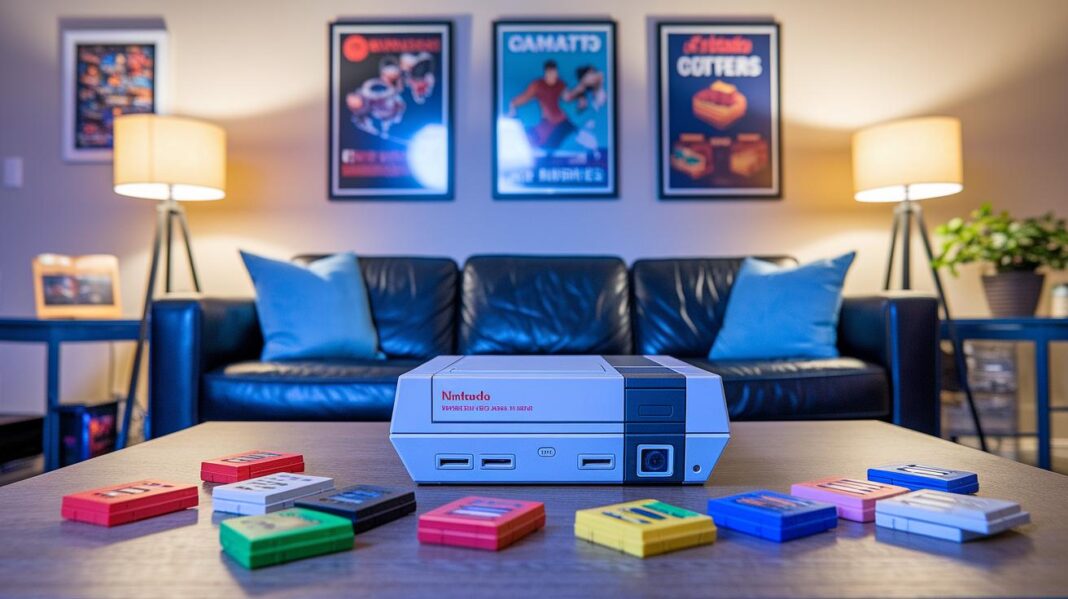
In the early 1980s, Nintendo expanded its lineup. They launched the Game & Watch handheld series and hit arcades with titles like Donkey Kong in 1981. These steps helped shift the focus from simple electronic games to full home entertainment systems. In 1985, the Nintendo Entertainment System (NES) revived home gaming and brought classic franchises to a worldwide audience.
The momentum continued in 1990 with the launch of the Super Nintendo Entertainment System (SNES). It used 16-bit Mode 7 graphics for a fresh and dynamic look. In 1996, Nintendo broke new ground with the Nintendo 64 (N64). The N64 ran on a 64-bit RISC CPU and came with 4 MB of RAM, which could be upgraded with an optional Expansion Pack, pushing the limits of its time.
Nintendo kept evolving. In 2001, the GameCube made its debut with miniDVD technology and an option for a broadband adapter. In 2006, the Wii introduced a motion-sensing Wii Remote that changed how games were played. Although the Wii U in 2012 featured a touchscreen GamePad, it did not win over many fans. Nintendo bounced back in 2017 with the hybrid Switch, a console that works both at home and on the go. The Switch sold over 120 million units and received an update in 2021 with a 7-inch 720p OLED screen.
By 2023, Nintendo had earned the title of the most profitable console maker, proving its lasting impact on the gaming world.
Nintendo System Milestones and Historical Context
Nintendo started in 1889 as a maker of Hanafuda cards. Back then, it was far from the electronic toy giant it is today. This early work helped shape a future where gaming became a lasting passion.
In the early 1980s, companies like Atari and Sega created tough competition. At the same time, Nintendo's popular arcade games increased the demand for home gaming systems. Their early experiments led to many new ideas that changed the game.
From 1986 to 1999, Nintendo made a big mark with products like the Game Boy in 1989 and the Super Nintendo Entertainment System (SNES) in 1990. These released systems ruled home and handheld markets. They also turned the rivalry with Sega into a fierce competition. For example, in 1989 the Game Boy turned ordinary moments into fun gaming adventures.
Between 2000 and 2003, Nintendo’s GameCube had to compete with strong rivals such as the PlayStation 2 and Xbox, even as the Game Boy Advance enjoyed success in the handheld space. Later, from 2011 to 2016, the 3DS series was a hit, while the Wii U did not catch on as well with many gamers. This period showed how Nintendo continued to evolve amid changing challenges in the gaming world.
Nintendo consoles Spark Timeless Gaming Excitement
Since its early days, Nintendo chose smart design over raw power. They did not chase the fastest processors; instead, they focused on ideas that change the way we play. Every console had its own special touch that went beyond just high-speed chips and extra memory. They built controllers that feel reliable and fun and added features that make gaming simple and engaging. With this focus, even devices with modest specs brought memorable experiences to players.
Nintendo also led the way with its controller innovations and new tech. The Wii turned gaming on its head with a remote that senses motion, letting you swing, point, and interact in real time. Later, handhelds like the DS brought touchscreen play that works right with your fingers. The Switch mixes home console power with the freedom to play on the go. These ideas did more than boost graphics or memory, they gave us totally new ways to enjoy games. Whether you're using a Wii Remote, tapping on a DS screen, or playing with a Joy-Con, Nintendo’s creative designs keep sparking timeless excitement for gamers.
| Device | CPU/GPU | Memory | Storage | Display | Controller | Release Year |
|---|---|---|---|---|---|---|
| NES | Custom 8-bit Ricoh CPU | 2 KB RAM | Cartridge | CRT output | NES Controller | 1985 |
| SNES | 16-bit Ricoh 5A22 | 128 KB RAM | Cartridge | CRT with Mode 7 | SNES Controller | 1990 |
| N64 | 64-bit NEC R4300i | 4 MB (+4 MB Expansion) | Cartridge | CRT | N64 Controller | 1996 |
| GameCube | IBM PowerPC Gekko | 24 MB RAM | miniDVD | CRT | GameCube Controller | 2001 |
| Wii | IBM PowerPC | 88 MB RAM | Optical disc | CRT/HDMI (later) | Wii Remote | 2006 |
| Wii U | IBM PowerPC (Espresso) | 2 GB RAM | Proprietary disc | HD | GamePad | 2012 |
| Switch | NVIDIA Tegra X1 | 4 GB RAM | Cartridge/microSD | 6.2” LCD, 7” OLED | Joy-Con | 2017/2021 |
Exclusive Game Libraries and Ecosystem Highlights for Nintendo Consoles

Nintendo has built its legacy on memorable game series that many of us grew up with. The company’s classic titles like Super Mario Bros., The Legend of Zelda, Metroid, Mario Kart, and Smash Bros have offered creative gameplay and have brought joy to generations of players. These games form the heart of Nintendo's strong connection with its fans.
Here are some standout games by console era:
- NES: Super Mario Bros. (1985), The Legend of Zelda (1986)
- SNES: Super Mario World (1990), A Link to the Past (1991)
- N64: Ocarina of Time (1998), Mario Kart 64 (1996)
- GameCube: Wind Waker (2002), Metroid Prime (2002)
- Wii: Wii Sports (2006), Super Mario Galaxy (2007)
- Switch: Breath of the Wild (2017), Animal Crossing: New Horizons (2020)
Digital storefronts have helped Nintendo stay current. Services such as the Wii and Wii U Virtual Consoles and the Switch eShop offer quick access to many of these timeless games. Mini consoles like the NES and SNES Classics also bring old favorites back in new formats for today’s players.
Nintendo Switch Online, launched in 2018, adds even more value. It lets you play online, save your progress in the cloud, and enjoy a handpicked library of classic games. This mix of old and new keeps Nintendo's gaming spirit alive while setting the stage for future adventures.
Comparing Retro and Contemporary Nintendo Consoles
Retro Nintendo systems, from the original NES through to the GameCube, bring a warm, nostalgic feel. These consoles ran games from cartridges or discs and were mainly meant for home play. They offered very few options for moving around, aside from the occasional handheld gadget like the Game & Watch.
Modern Nintendo systems, starting with the Wii and moving on through the Wii U to the Switch, blend home gaming with portable play. These consoles give you sharper graphics, let you download games digitally, and make it simple to access a wide range of titles through the online store and subscription services.
| Feature | Retro (NES–GameCube) | Modern (Wii–Switch) |
|---|---|---|
| Portability | No built-in portability except for handhelds like Game & Watch | Starts with limited options on the Wii U GamePad and moves to full hybrid systems like the Switch, Switch Lite, and Switch OLED |
| Graphics | 8–64 bit with CRT output | Standard/HD up to 1080p; handheld systems often run at 720p while docked models reach 1080p |
| Library Access | Physical cartridges or discs; later systems added options like Virtual Console | Mix of discs, digital downloads, and subscription-based classic games on the eShop |
Collectors love the charm of classic editions like the NES Classic (2016) and SNES Classic (2017). At the same time, modern innovations such as the Switch Lite and Switch OLED deliver better portability and display quality. This mix of old-school nostalgia and new tech benefits gamers who enjoy both classic and contemporary experiences.
Pricing, Market Trends, and Collector Insights for Nintendo Consoles
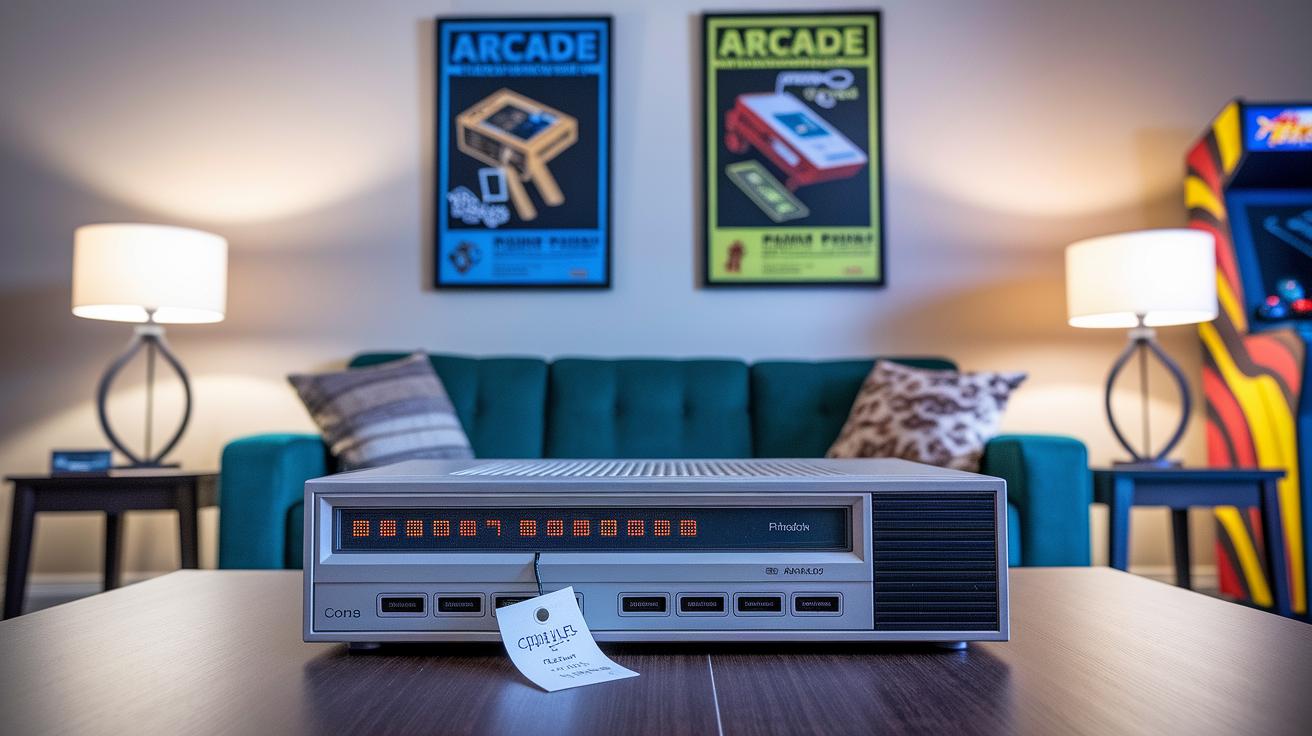
Nintendo’s original prices still shape the market today. The Nintendo Entertainment System (NES) launched in 1985 at $199. The Super Nintendo Entertainment System (SNES) followed in 1990 at the same price, and the Nintendo 64 also debuted at $199 in 1996. The GameCube launched in 2001 at $199, the Wii appeared in 2006 at $249, and the Wii U came in at $299 in 2012. More recently, the Nintendo Switch started at $299, while the Switch OLED version entered the market around $349 in 2021. These launch prices continue to influence how collectors and gamers see value and rarity.
- The NES Classic now sells for between $300 and $400 on the secondary market.
- The SNES Classic usually goes for $200 to $300 as a limited run item.
- Used GameCube units typically cost $30 to $50, while special collector editions can fetch over $100.
- Sealed Virtual Boy units can sell for more than $500.
- The Nintendo Switch holds its value, and the Switch OLED usually remains around its original price.
Collectors can benefit from careful research. Always check how a console has been refurbished. Look for official warranty or repair records and use trade-in programs when possible. These steps help ensure that your investment holds its value and stays a true piece of gaming history.
Final Words
In the action, this article explored the evolution of Nintendo consoles from early arcade hits to today’s hybrid designs. We reviewed key hardware innovations, system milestones, exclusive game libraries, and pricing trends. The timeline and spec comparisons helped highlight the real-world trade-offs between retro charm and modern features. Clear insights on value, performance, and collector trends provide a solid guide for a smart purchase. We hope this overview makes your next decision both confident and low-risk.
FAQ
What does the Nintendo consoles list include?
The Nintendo consoles list includes major home systems and handhelds from the Color TV-Game series (1977) to the current Switch family, covering both classic and modern gaming.
What is the timeline or order of Nintendo consoles?
The timeline starts with the Color TV-Game series (1977) and moves through the NES (1985), SNES (1990), N64 (1996), GameCube (2001), Wii (2006), Wii U (2012), and then the Switch (2017) with the Switch OLED (2021).
Which Nintendo consoles are designed for TV use?
Nintendo consoles for TV use include systems such as the NES, SNES, N64, GameCube, Wii, Wii U, and the Switch when connected to a TV via its dock.
What makes the Super Nintendo Entertainment System (SNES) notable?
The SNES introduced 16-bit graphics and Mode 7, offering impressive visuals and gameplay improvements over earlier systems like the NES.
What is Nintendo’s current console?
Nintendo’s current console is the Switch, available in standard, Lite, and OLED versions, offering portable gaming and TV connectivity.
What is Nintendo’s last console?
Nintendo’s last console is the Switch OLED, featuring a vibrant 7-inch 720p OLED screen that enhances handheld gaming visuals.
What are the nine generations of Nintendo consoles?
The nine generations include the Color TV-Game series, NES, SNES, N64, GameCube, Wii, Wii U, Switch Standard, and Switch OLED, covering the evolution of Nintendo’s systems.
What are some of the best Nintendo consoles?
Many consider the SNES for its classic game lineup, the Wii for its motion-sensing gameplay, and the Switch for its hybrid design and robust library as some of the best Nintendo consoles.