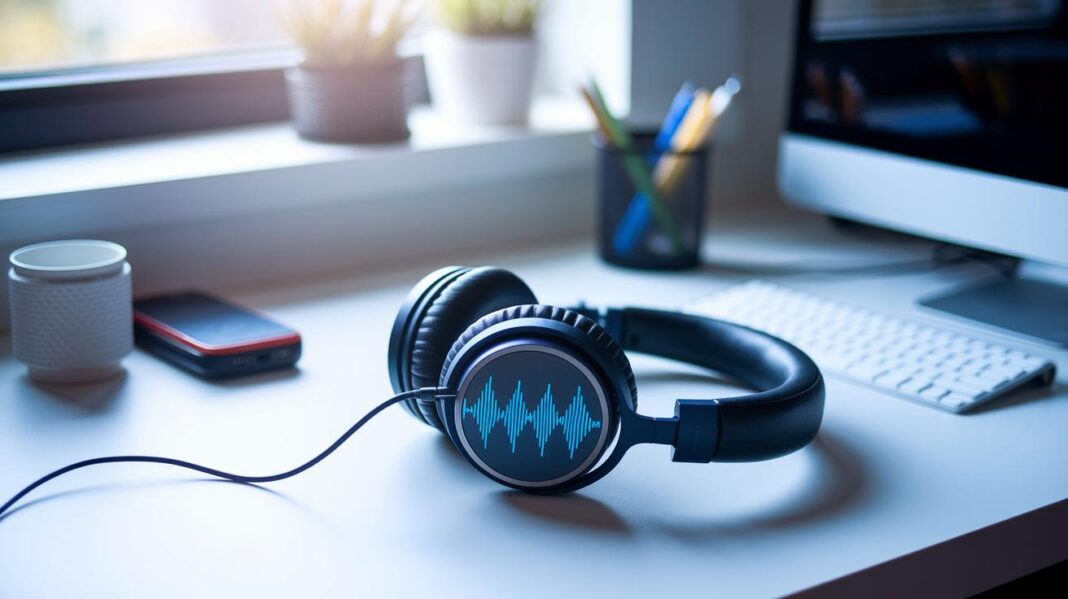
Have you ever thought that silence might speak louder than words? Noise isolating headphones do more than just block sound. They use cushioned pads and memory foam to cut out background noise, letting you listen at a safe volume.
In our busy world, these headphones turn chaos into calm. Their smart design lowers unwanted noise while delivering clear, crisp audio that truly enhances your listening experience.
How noise isolating headphones work and why they excel at blocking ambient noise
Noise isolating headphones block outside sounds using simple physical barriers. They use materials like silicone or memory foam ear tips for in-ear designs and thick, cushioned pads for over-ear models. These parts form a tight seal around your ears, much like sealing an envelope so that nothing gets in. Because of this design, no battery or extra electronics are needed.
Active noise cancellation uses microphones and processors to fight low rumbles with anti-noise waves. In contrast, noise isolating headphones depend only on their build to block sound. They work great for mid- to high-frequency noises but might need louder volumes to handle deep, low-frequency sounds such as engine noise. In real-world tests, they usually reduce noise by about 20–25 dB; some models even reach 35–43 dB in specific ranges. Each method has its strengths: active technology is best at cutting constant low sounds, while passive designs excel at reducing chatter and high-pitched noise.
The benefits of noise isolating headphones are clear. They let you listen at safer, lower volumes and reduce distractions in places like offices, on airplanes, or while studying. With a solid acoustic barrier, you enjoy clear sound without having to crank up your music. Picture sitting in a quiet library where even soft whispers are muted, so you can focus on your reading. This setup not only boosts your listening enjoyment but also helps protect your hearing over time.
Key design features behind effective noise isolation in headphones
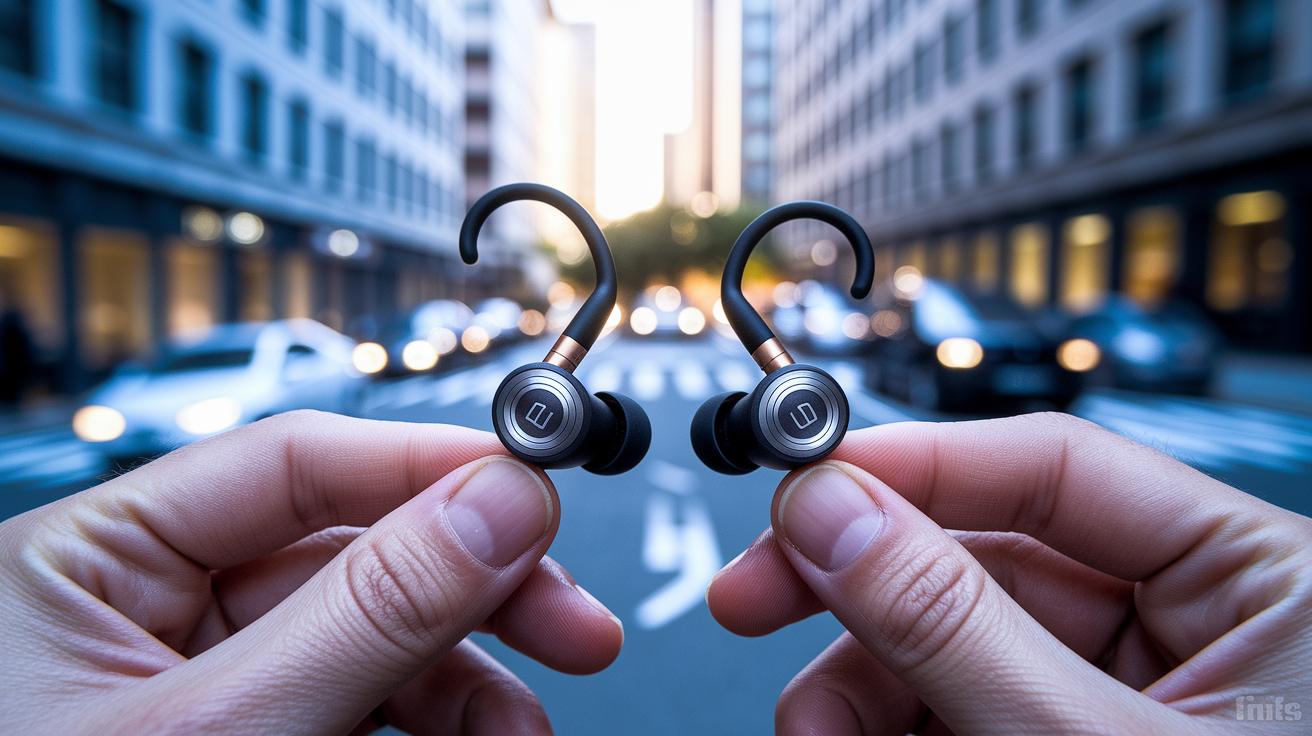
Memory foam ear tips, silicone tips, and cushioned pads create a seal that cuts out outside noise. They block ambient sounds without needing extra power.
The driver assembly is crucial for quiet sound. A well-built diaphragm soaks up extra noise while keeping audio clear. Modern driver technology tightens bass and shows more detail, so even small background sounds stay low.
Good noise isolation comes from balancing sealing with smart drivers. While ear tips and pads block many frequencies, an optimized driver stops noise that slips through. This blend delivers an immersive audio experience beyond just shutting out noise.
Comparing top models: noise isolation performance and metrics
We used sine-sweep noise tests to see how well different headphones block sound. We measured the frequency response with and without the headphones. Our results show that the best noise reduction happens only at certain frequencies while the overall performance is around 20–25 dB in everyday use. In-ear monitors with memory foam tips block high-frequency sounds better than over-ear models. For example, the Etymotic ER4XR can reach up to 43 dB in targeted ranges, making it great for detailed listening. Over-ear models such as the Audio-Technica ATH-M50x and the Sony WH-1000XM5 perform well too, with 36 dB and around 25 dB isolation respectively. These tests remind us that while peak numbers can be impressive, real-world use focuses more on consistent sound blocking.
Below is an HTML table that sums up six popular models. The table lists each model, its type, the measured noise isolation, the price range, and the best use. This guide can help you choose the right headphone based on your needs:
| Model | Type | Passive Isolation (dB) | Price Range | Best Use |
|---|---|---|---|---|
| Beyerdynamic DT 770 M 80Ω | Over-ear | 35 dBA | $200-$250 | Studio & Gaming |
| Audio-Technica ATH-M50x | Over-ear | 36 dB | $150-$200 | Recording & Mixing |
| Etymotic ER4XR | In-ear | 43 dB | $250-$300 | Critical Listening |
| Sony WH-1000XM5 (passive) | Over-ear | ~25 dB | $350-$400 | Everyday Travel |
| Sennheiser HD 25 | On-ear | ~30 dB | $150-$200 | Field Use |
| Jabra Elite 7 Pro | In-ear | ~30 dB | $100-$150 | Office & Commute |
The table above shows key points like the type of headphone, noise blocking ability, and price. It also highlights how design affects performance. In-ear styles with memory foam tips often block more sound than many over-ear designs. Use this guide to find the headphone that fits your
noise isolating headphones: Pure Sound, Pure Joy
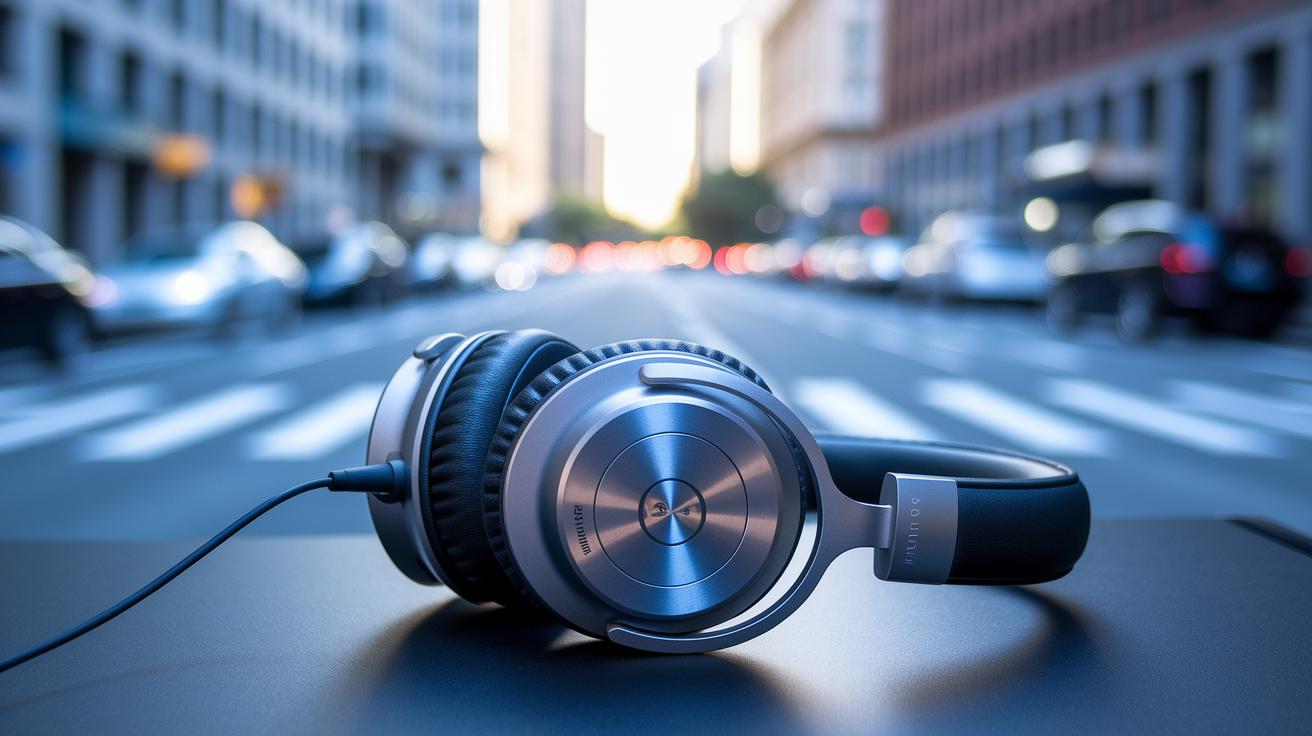
Finding the right noise isolating headphones can change your day. They block unwanted sounds from traffic or let you catch office announcements when needed.
For commuters, a tight passive seal is essential. These headphones cut engine and track noise so you can enjoy your music without turning up the volume. A secure, comfy fit makes long rides more relaxing.
At work, in-ear monitors with memory foam tips work well. They block background noise while leaving just enough sound for important calls or messages. This balance helps keep your workspace calm without feeling too isolated.
Gamers might prefer closed-back over-ear headphones. They deliver strong noise reduction, a sturdy build, and built-in boom mics for clear voice chat. This lets you stay focused on your game without outside distractions.
For travelers, durability is a must. Look for foldable designs with replaceable tips stored in a zippered case. They handle the bumps of travel while keeping noise levels low on busy commutes.
If you need headphones for sleep, choose sleep-friendly ones with slim, soft eartips that do not need power. They offer gentle sound reduction so you can rest comfortably all night without the bulk of active noise cancellation.
Maintaining fit and hygiene for optimal noise isolation performance
Keep your noise isolating headphones in top shape by cleaning them regularly. Clean your ear tips every week with a mild soap and water mix, and be sure to let them dry completely before using them again. Replace memory foam or silicone tips every 3 to 6 months to maintain a tight seal and keep buildup away.
Test your headphones in a quiet room to get the best noise reduction. Adjust the in-ear tips or over-ear cushions until you feel a secure fit that cuts down on sound. Spend a few extra moments tweaking the headband tension and aligning the ear pads so you can lock in the sound without discomfort during long use.
Store your headphones properly when not in use. Using a hard or padded case is the best way to protect them. This simple step keeps the pads in shape and prevents dust, ensuring your noise isolation remains consistent every time.
Passive noise isolation limitations and common misconceptions
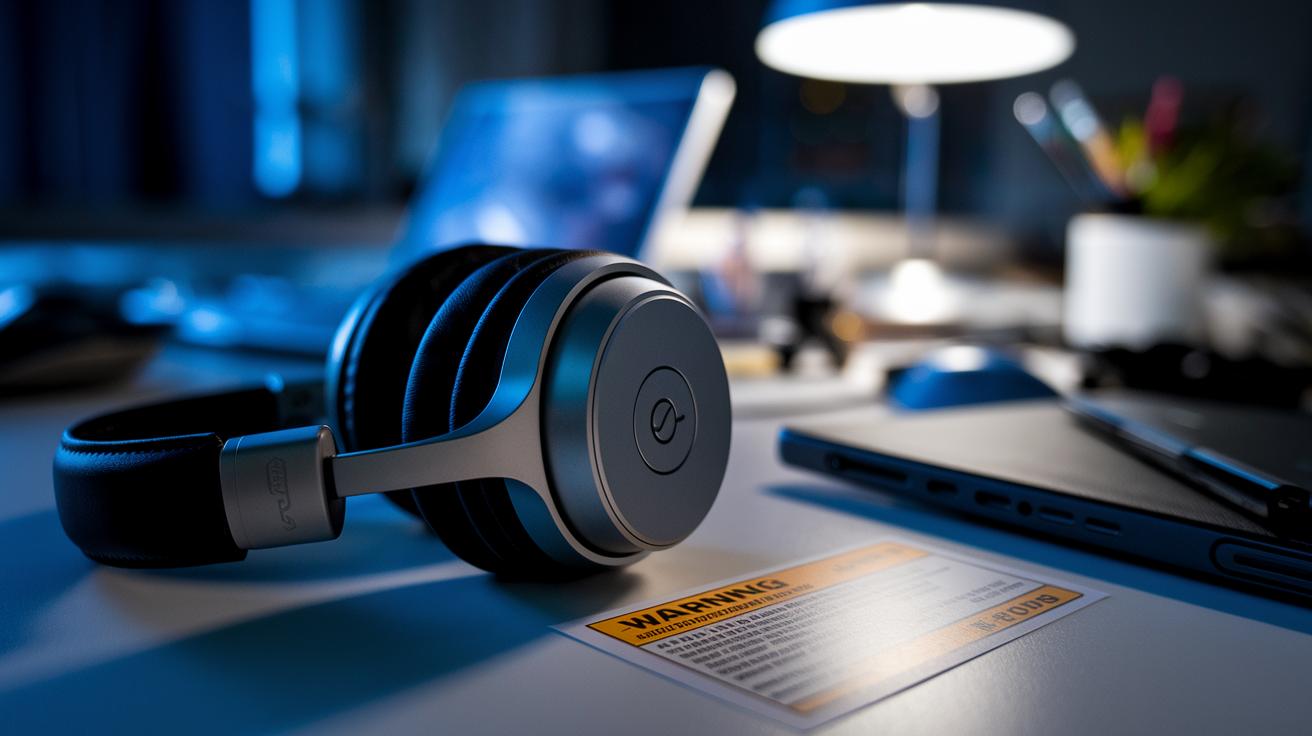
Passive noise isolating headphones are meant for everyday use and are not built for noisy industrial jobs. They don't meet the strict standards of certified hearing protection, so using them in loud work areas can leave you exposed to dangerous sound levels.
Many people think that turning up the volume makes up for weak passive isolation, especially with deep bass sounds. But loud volume can cause ear fatigue and extra strain on your hearing. In fact, many users unknowingly boost the volume to levels that do more harm than the background noise itself.
Remember, these headphones are designed only to improve casual listening and should not replace proper industrial hearing protection.
Final Words
In the action breakdown above, we explained how passive isolation uses silicone and memory foam to block ambient noise.
We compared top models using real-world decibel ratings and highlighted design features that boost isolation performance. We also shared tips on matching headphones to different environments and maintaining a proper fit for lasting sound quality.
Noise isolating headphones offer a low-risk way to enjoy clearer audio in busy settings. Enjoy your quieter moments and choose with confidence.
FAQ
Q: What do noise isolating headphones do?
A: The purpose of noise isolating headphones is to block ambient sounds using physical barriers like memory foam tips or cushioned ear cups. They let you listen at lower volumes to protect your hearing.
Q: Which is better, noise cancelling or noise isolating headphones?
A: The choice between noise cancelling and noise isolating headphones depends on your needs. Noise cancelling uses active circuits to reduce low-frequency sounds, while noise isolating models passively block mid- to high-frequency noise.
Q: Are there headphones that block all noise?
A: The concept of completely blocking noise is unrealistic. Noise isolating headphones significantly lower background sounds but cannot completely eliminate every sound, especially deep bass rumbles.
Q: What are the best noise isolating headphones?
A: The best noise isolating headphones include models like Beyerdynamic DT 770 M and Audio-Technica ATH-M50x, which offer effective decibel reductions and reliable comfort for extended listening sessions.
Q: Do noise isolating headphones come wired or wireless, and can they include a microphone?
A: The design of noise isolating headphones spans both wired and wireless options, with many models featuring built-in microphones or in-line mics that suit calls and multimedia use.
Q: Are noise isolating headphones suitable for work and for drummers?
A: The suitability of noise isolating headphones for work and drummers is clear; they reduce office distractions and provide focused sound isolation. Drummers may prefer in-ear monitors with a secure seal for better isolation.
Q: What do online communities like Reddit say about noise isolating headphones?
A: Online discussions emphasize that noise isolating headphones offer clear sound and comfortable wear, with many users noting their benefit in lowering listening volumes and reducing environmental distractions.
Q: How effective is passive noise isolation in reducing ambient sound?
A: Passive noise isolation typically reduces ambient sound by around 20–25 dB, with some models reaching peaks between 35 and 43 dB at specific frequencies, making them effective for most everyday scenarios.