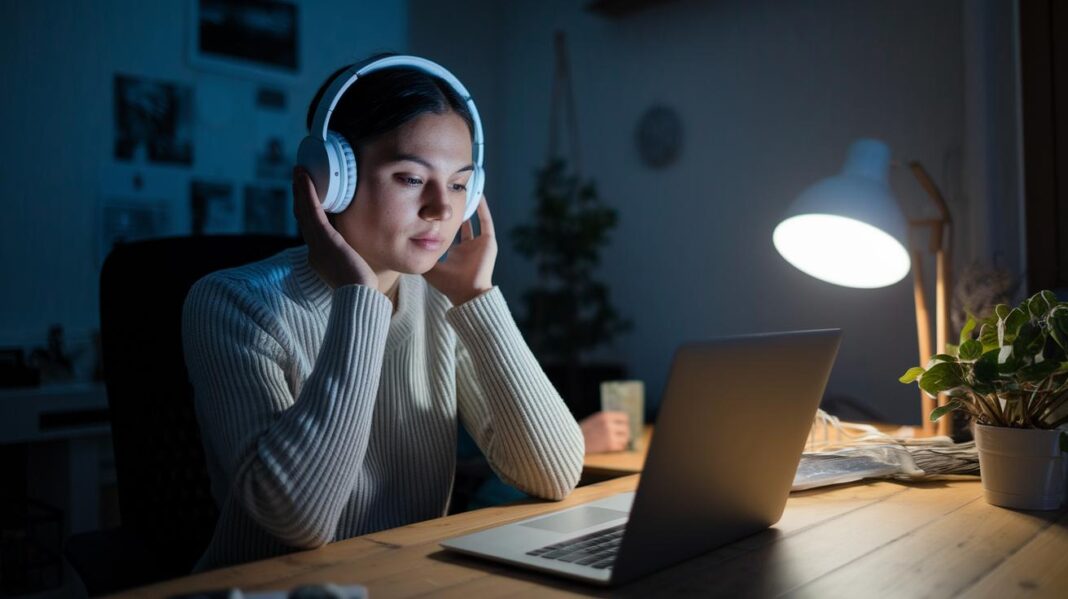
Ever struggle with a noisy world, especially if background sounds feel overwhelming? For many with misophonia, every little noise can become too much. Headphones with active noise cancellation use smart technology to block unwanted sounds and create a quiet space. Top models from Sony and Bose cut out noise from 20 to 2000 Hz, easing sensory overload. They let you enjoy clear music and calls while reducing everyday clamor, giving you a chance to reclaim your calm.
How Noise Cancelling Headphones for Misophonia Provide Relief
Noise cancelling headphones use active noise cancellation (ANC) to block out unwanted sounds. They have built-in mics that pick up noise and then emit counter-sounds to cancel them. This is especially useful for low sounds, between 20 and 2000 Hz, which can trigger discomfort for misophonia sufferers.
Top brands like Sony and Bose design models offering up to 30 hours of battery life. For example, the Sony WH-1000XM series and Bose QuietComfort models use advanced ANC to reduce everyday ambient sounds. In tests, they significantly lower background noise while keeping music and call quality clear.
By reducing disruptive sounds and maintaining crisp audio, these headphones create a calmer environment. This improved sound setting can help misophonia users focus better and experience less sensory stress during daily activities.
Key Features in Noise Cancelling Headphones for Misophonia
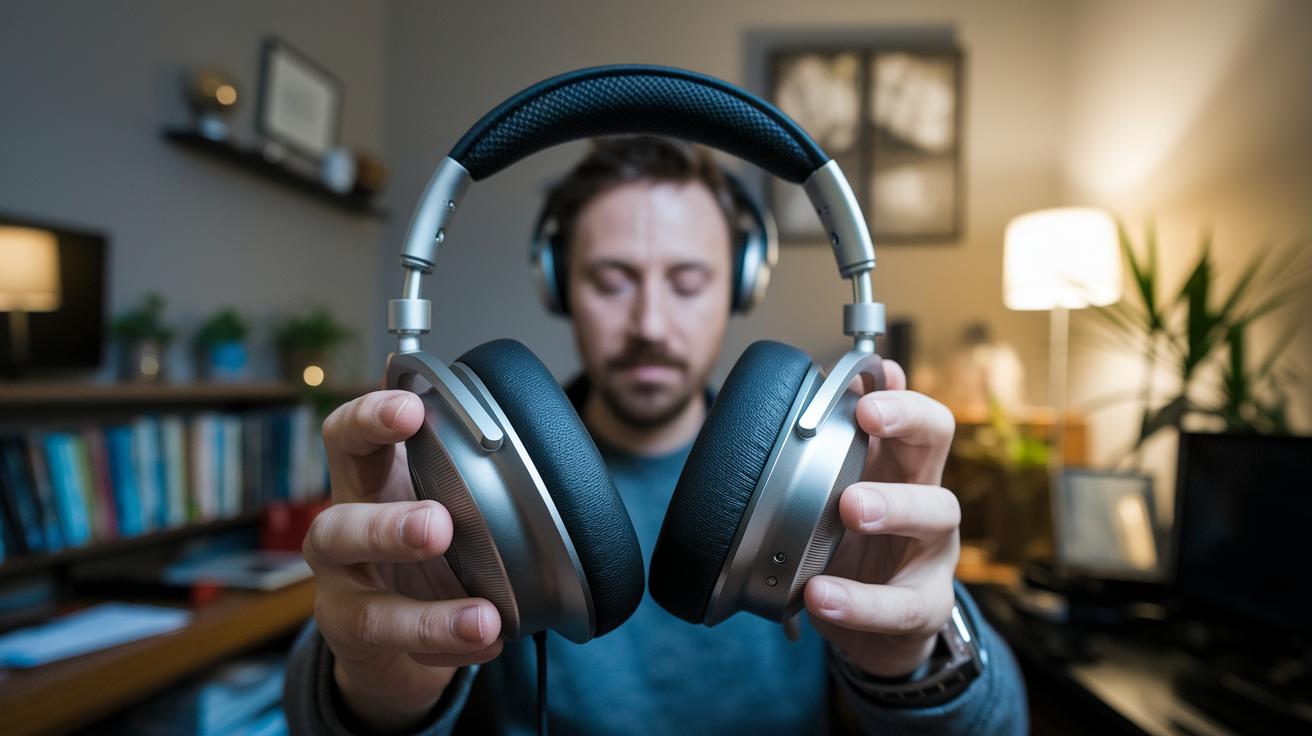
Hybrid active noise cancellation is essential for easing misophonia symptoms. Choose headphones that feature several sensors to pick up background noise and adjust noise cancellation instantly.
Comfort is key when wearing these headphones for long periods. Soft earcup cushions and adjustable headbands improve comfort during long calls or extended listening sessions. Generally, over-ear models last for 20 to 30 hours, whereas earbuds offer at least 6 hours on one charge.
Tough materials such as aluminum hinges and reinforced plastics help these headphones handle everyday use. Support for high-res codecs like LDAC and AAC means that sound stays clear and accurate, even when noise cancellation is engaged. Thus, music, calls, and ambient sounds are balanced without losing detail.
A smart mix of hybrid ANC and ergonomic design can block low-frequency noises that trigger misophonia, yet let through important ambient sounds. A robust build is also important for everyday use. Simple and sturdy design details help create a calm and quiet sound experience.
Active vs Passive Technology in Misophonia-Focused Headphones
Different methods tackle misophonia triggers in their own way. Active noise cancellation uses built-in microphones and digital processing to cancel out heavy, low-frequency sounds. On the other hand, passive noise control blocks sound through physical barriers like sealed earcups and snug tips that cut out mid and high frequencies. Hybrid designs mix both active and passive approaches for wider sound reduction. New tech includes smart adaptive ANC, which adjusts cancellation in real time, and precision frequency filtering that zeroes in on specific trigger frequencies. Each method comes with its own benefits and limits based on the noise around you and your unique sensitivity. The table below shows a side-by-side guide on how each technique works, which frequency ranges they cover best, and the key pros and cons. This overview will help you choose the headphones that best ease your misophonia triggers while fitting your sound environment.
| Technology | How It Works | Frequency Range | Pros | Cons |
|---|---|---|---|---|
| Active Noise Cancellation | Listens with built-in microphones and uses digital processing to cancel noise | Low frequencies | Strong bass reduction | Not as effective for high-pitched sounds |
| Passive Isolation | Blocks sound with sealed earcups or snug tips | Mid to high frequencies | No batteries needed; simple design | Struggles with low-frequency noise |
| Hybrid Design | Merges active and passive methods for wider sound control | Low to high frequencies | Balanced performance across the board | Higher cost and added complexity |
| Smart Adaptive ANC | Uses sensors to adjust cancellation in real time based on ambient noise | Bass-focused with adaptive tweaks | Offers a personalized cancellation experience | May cause slight processing delays |
| Precision Frequency Filtering | Utilizes digital filters to target specific trigger frequencies | User-specific sensitive frequencies | Delivers precise and targeted relief | Requires setup and customization |
Top Models of Noise Cancelling Headphones for Misophonia
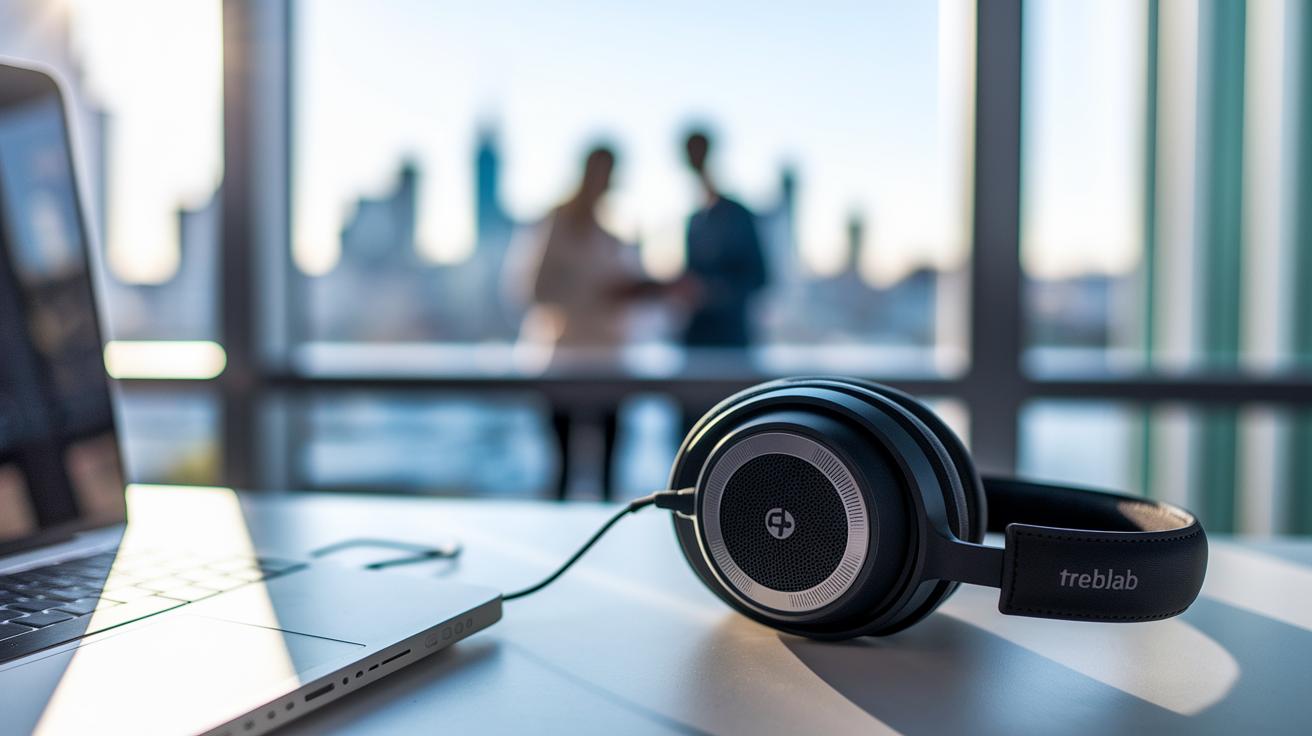
This guide features five top headphone models that combine smart noise cancellation with design features to help reduce misophonia triggers. Each model offers its own advantages, whether through hybrid active noise cancellation (ANC) or strong passive isolation, to give you a quieter listening space.
TREBLAB Z7-Pro
The TREBLAB Z7-Pro uses hybrid ANC backed by six environmental sensors, a strong build, and a firm yet comfortable clamping force. It quickly adjusts to changing noises and provides a balanced sound that fits many listening scenarios. For those who struggle with misophonia, its responsive noise control helps quiet background sounds and lowers low frequency triggers for a more soothing experience.
Bose QuietComfort 35 II
The Bose QuietComfort 35 II is well-known for its top-notch noise suppression in a light design. It mixes proven passive isolation with active noise cancellation to keep unwanted sounds at bay, which makes it a favorite for travelers. Misophonia sufferers may find it particularly helpful as it consistently reduces disruptive sounds while ensuring comfort for long periods.
Sony WH-1000XM4
The Sony WH-1000XM4 adjusts noise cancellation in real time with an intelligent EQ that lets you fine-tune the settings. Its adaptive design reacts to your surroundings, cutting down on ambient noise effectively. This model works well for misophonia because it targets specific trigger frequencies, creating a quiet zone that minimizes both low and mid-range noises so you can focus better.
Apple AirPods Max
The Apple AirPods Max bring advanced active noise cancellation along with smooth integration in the Apple ecosystem. They offer a premium build and clear, high-quality sound. For misophonia, these headphones create a personal sound space that mutes distracting noises, helping maintain a calm and consistent listening experience.
Cambridge Audio Melomania 1 Plus
The Cambridge Audio Melomania 1 Plus earbuds offer a budget-friendly option with strong passive isolation and long battery life. Their simple design focuses on clear sound without heavy reliance on digital noise cancellation. They work well for misophonia by effectively blocking out background noise, giving you a cost-effective way to enjoy quiet listening.
How to Test and Choose the Right Noise Cancelling Headphones for Misophonia
Start by playing sounds with low and high pitches. Listen carefully to see how well the headphones block unwanted noise. Try different music styles or sound samples. This helps you check how the active noise cancellation handles deep bass and sharp high tones. Wear the headphones for a little while to test the ear seal and clamping pressure. A comfortable, snug fit is important for good noise isolation. Finally, test the battery in everyday use to make sure it lasts the claimed 20–30 hours.
When testing headphones in a store or at home, focus on clear sound and overall ease of use. Look for models with strong reviews on durability and relief from your specific triggers. Testing different models side-by-side can help you find the perfect noise neutralizer for your misophonia needs. Also, compare build quality and ease of adjusting sound settings, and consider feedback from other users with similar sensitivities.
Budget vs Premium Solutions in Noise Cancelling Headphones for Misophonia
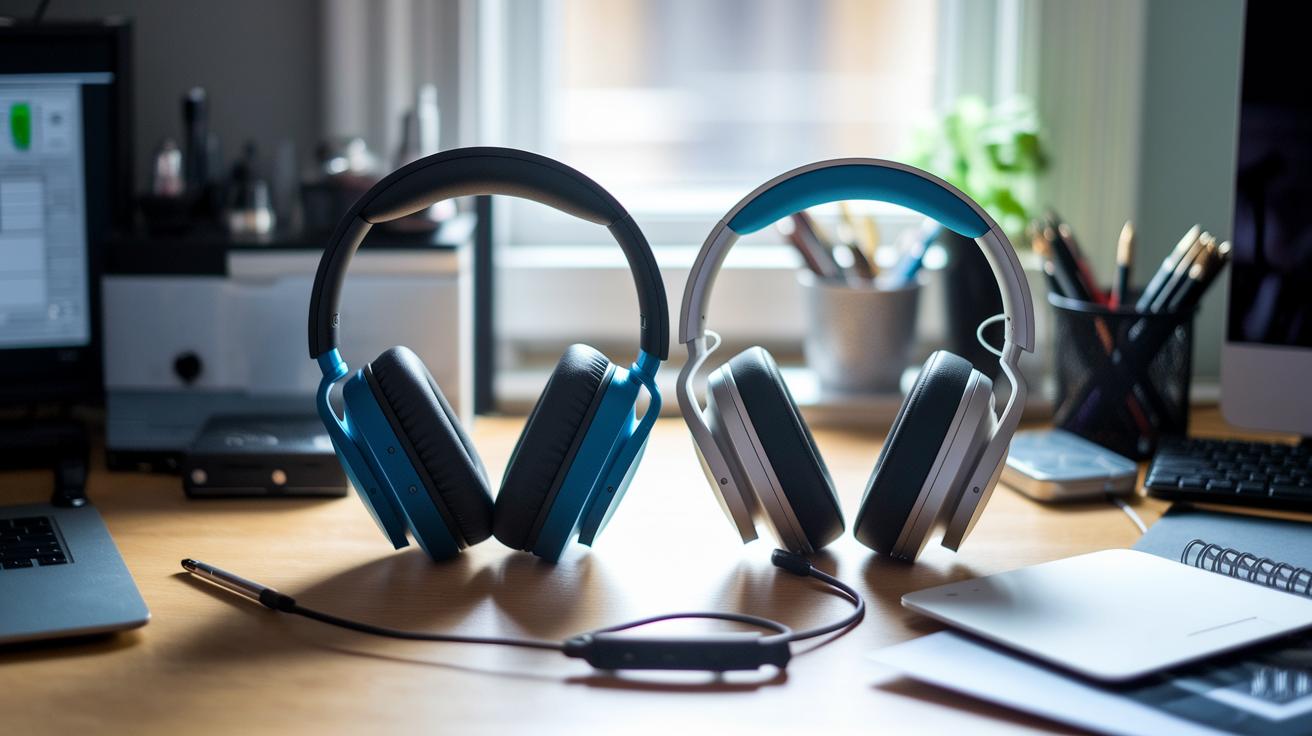
For those dealing with misophonia on a budget, entry-level models can help ease unwanted sounds. The TaoTronics TT-EP008 offers basic active noise cancellation to reduce triggering noises without costing a lot. Budget headphones like the Cambridge Audio Melomania 1 Plus use simple passive isolation (blocking noise without extra processing) to keep noise at bay. They work well if you want an affordable solution. However, these models may show signs of wear within a year and might not stand up to heavy daily use.
If you can spend a bit more, premium headphones offer a more lasting and feature-rich experience. The Sony WH-1000XM5 provides excellent low-frequency noise cancellation that adjusts to your surroundings. The Bose 700 excels in keeping voice calls clear, which is great if you use voice assistants. Meanwhile, the Shure AONIC 50 comes with customizable noise reduction and strong metal hinges for extra durability. These high-end models deliver better build quality, stronger noise control, and a longer lifespan for those who need reliable relief.
Final Words
In the action, we explained how noise cancelling headphones for misophonia work to cut through disruptive sounds. We reviewed key features like active and passive tech, battery life, and ergonomic design. Our guide broke down model highlights and testing methods to help you spot effective misophonia relief audio products. This clear overview makes it easier to decide on the right ANC headset. Enjoy improved sound control and a quieter day with these thoughtfully engineered headphones.
FAQ
Q: What are the best noise cancelling headphones for misophonia?
The best noise cancelling headphones for misophonia include models from Bose and Sony. Many Reddit users recommend these for their effective ANC that minimizes low to mid-range sounds, offering real relief from trigger noises.
Q: Do headphones help with misophonia?
The use of noise cancelling headphones helps misophonia by reducing ambient and disruptive sounds. They create a quieter setting that eases sensory overload and improves daily comfort.
Q: What noise is best for misophonia?
The best noise for misophonia is the one suppressed by advanced ANC that targets broad frequency ranges. This technology minimizes harmful trigger sounds and can create a more calming background noise when needed.
Q: Is misophonia a hearing disability?
Misophonia is not a hearing disability. It is a sound sensitivity condition where certain sounds trigger strong emotional responses, making everyday environments uncomfortable for those affected.
Q: Are wired noise cancelling headphones effective for misophonia?
Wired noise cancelling headphones can be effective for misophonia by blocking unwanted sounds. While many top models are wireless for advanced ANC features, wired options still offer substantial sound reduction for many users.
Q: How do models like Bose QC20 20i and QC25 work for misophonia?
The Bose QC20 20i and QC25 are noted for their effective sound isolation. They reduce trigger sounds well and are frequently mentioned on Reddit by users seeking relief from misophonia symptoms.
Q: Can earplugs serve as a solution for misophonia?
Earplugs can offer basic relief from misophonia by passively reducing sound. However, they lack the advanced, adjustable noise cancellation features of high-quality headphones that better address varied trigger frequencies.