Ever wonder if your 5G smartphone really fits your lifestyle? It can be tricky to choose the right one without getting lost in specs and jargon. You need a phone that offers fast network speeds, a battery that lasts all day, and a camera that captures clear pictures.
In this guide we break down important features like modem strength (how well your phone connects), processor speed, and frequency bands. We explain what each means in simple terms so you easily know what to look for.
We also help you match your needs with the right carrier and budget. This way, you can quickly pick a 5G phone that works perfectly for your everyday demands.
5G Smartphone Selection Guide: Key Decision Factors
When you shop for a 5G smartphone, look for must-have parts that give you steady performance and long battery life. The phone should have a modern modem, strong processor, and a good antenna. Regular software or firmware updates are also needed to unlock all the benefits of 5G. Remember, these phones work on three main frequency bands: low-band, mid-band, and high-band (mmWave). The low-band covers more area but at slower speeds, while mmWave offers very fast speeds but covers less ground. Match your local carrier’s bands with what the phone supports to keep your connection solid.
Battery life is another key factor because 5G can use more power. For example, the Apple iPhone 15 Pro Max (iPhone 15 Pro Max) uses a 4,422 mAh battery along with Smart Data Mode to help manage heavy data use. Besides the network and battery, think about the processor, camera quality, and price. Each of these parts helps decide how well the smartphone will serve you every day and keep up with future needs.
For more details on different devices, check out the full list of 5G smartphones.
| Criterion | Why It Matters |
|---|---|
| Network Compatibility | Ensures the phone works well with your local carrier |
| Processor Power | Handles heavy tasks and smooth 5G performance |
| Battery Capacity | Keeps up with the higher power needs of 5G |
| Camera Features | Delivers quality photos and videos in various settings |
| Budget & Value | Balances phone features with cost for best long-term use |
Network Compatibility and 5G Bands for Smartphones
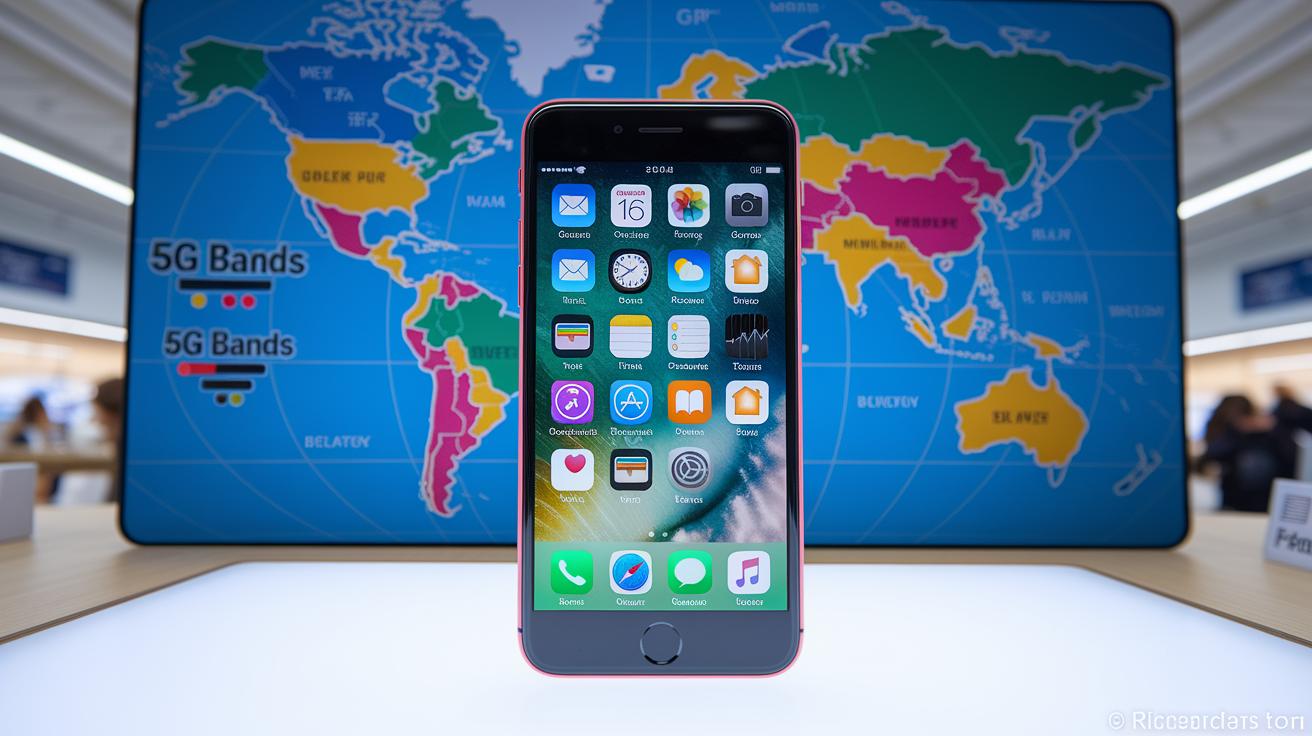
Choosing a 5G phone starts with knowing how your carrier's network works. Every phone supports different 5G bands. Matching them with your carrier’s coverage helps you stay connected. In many regions, low-band gives you wide coverage, even in rural areas or indoors, though it works at slower speeds. Mid-band offers a good mix of speed and range. In busy city centers, mmWave gives super-fast speeds if you stick close to the antenna. For more details, check out the article here: how does 5g improve smartphone connectivity.
Before you buy, look at your carrier’s coverage map to see which bands work where you live. Compare the phone’s specs with your local network to avoid dropped connections or slow speeds. Think about your daily use and times when the network might be busy.
- Low-band 5G: Provides wide coverage with steady but slower speeds.
- Mid-band 5G: Balances speed and range, perfect for many urban and suburban settings.
- mmWave 5G: Offers ultra-fast speeds but needs you to be near an antenna for best performance.
Performance and Processor Evaluation for 5G Handsets
When you choose a 5G handset, the processor is a key factor. The chipset handles heavy data loads and makes sure tasks run smoothly. Top chips like Apple A17 Bionic and Qualcomm Snapdragon 8 Gen 2 power fast data transfer and great multitasking. We use tools like AnTuTu and 3DMark to check both CPU (the main chip) and GPU (graphics chip) performance. A high score on 3DMark means the phone can run intense games easily. This strong performance helps when you stream videos or use several apps at once.
For gamers, steady performance during long sessions is a must. The OnePlus 9 Pro, for example, features a 4500 mAh battery and a 120 Hz display. These specs show how balanced power and cooling can keep the phone running smoothly during heavy gaming. When you review benchmarks, look for scores that promise lasting performance under load. This way, you know the handset can handle intensive tasks without running into heat issues or slowing down.
Battery Life and Charging Options in 5G Smartphones
5G networks can use 10 to 20% more power than 4G. That means battery size is important. Most phones have batteries between 4000 mAh and 5000 mAh. For example, a phone with a 4500 mAh battery handles mixed 5G use better than one with less power.
Charging speeds also vary. Many Android phones can charge up to 80 W with a cable. Wireless charging usually works at 15 to 30 W. Features like wireless charging and power-saving modes can help your phone last longer during the day.
It is smart to check both the battery capacity and the type of charging tech. Also, look for options like Smart Data Mode that help save power when using heavy 5G features. Faster charging is not just about a quick boost; it helps keep your battery healthy for longer use. If you use your phone a lot throughout the day, a model with an 80 W fast-charge and a strong battery is a smart choice for steady connectivity.
Display and Multimedia Experience on 5G Smartphones
When choosing a 5G smartphone, the screen matters a lot. It plays a big role in streaming, gaming, and browsing. A smooth refresh rate is a must. Phones with 90 Hz to 120 Hz panels show images that are much more fluid. For example, the OnePlus 11 5G and the Google Pixel 8 Pro come with 120 Hz OLED screens that cut down on motion blur. An ultra-smooth 120 Hz display can make everyday scrolling feel twice as fluid as lower refresh rates.
Resolution also makes a difference. A Full HD+ screen gives you clear images, but a Quad HD+ display with HDR10+ support makes colors pop with richer detail. The iPhone 15 Pro Max, for instance, sports a Super Retina XDR OLED display with a P3 wide color gamut and a 120 Hz refresh rate. This combo offers sharp contrast and life-like colors.
Remember to check factors like brightness, color accuracy, and contrast ratios. These features decide how vivid your videos and games look. Also, consider the screen size and extra protection like Gorilla Glass for the best multimedia experience with your new 5G smartphone.
Camera Capabilities in Emerging 5G Smartphone Models

Top-tier smartphones like the Samsung Galaxy S24 Ultra come with a 200 MP main camera that offers clear and detailed images. Other models, such as the Galaxy S21 Ultra, let you record videos in up to 8K resolution, providing a crisp, cinematic look. These high-resolution sensors mean you capture more details in every shot, great for photo and video fans.
Features like optical image stabilization (OIS) help reduce blur when shooting in low light. Advanced night modes also bring out details even in near darkness. Imagine taking a photo on a rainy evening and still capturing vibrant city lights with minimal noise.
Many new 5G smartphones now include portrait algorithms and macro lenses. That means you can snap close-up shots and portrait photos with a natural blur effect in the background (bokeh), giving your pictures a professional touch. For instance, the Google Pixel 4A uses AI enhancements to boost low-light performance. High-end models may even include LiDAR sensors that improve focus accuracy and open up augmented reality (AR) possibilities.
| Key Metric | Description |
|---|---|
| Megapixel Count | More megapixels capture finer details |
| Video Resolution | Up to 8K for sharp, clear videos |
| Stabilization Features | Optical Image Stabilization reduces blur |
In short, specialty modes like night and portrait combine with AI and LiDAR to refine every shot, making these cameras a strong choice for both casual users and professionals.
Price Range Comparison: Budget vs Premium 5G Smartphones
Budget-Friendly Picks
If you're on a budget, you can get a 5G smartphone for under $600. These phones offer steady 5G service and good camera performance without a high cost. For example, the Google Pixel 7a costs about $499 and delivers reliable performance and clever AI features for better low-light photos. The Google Pixel 4A is around $349 and gives you a great balance of price and quality with smooth everyday use. Another option is the Xiaomi Mi 10T Pro, priced near $599. It has a strong build, is good for gaming, and features a fast fingerprint reader. These phones are a solid choice for basic connectivity and multimedia needs without stretching your budget. You can learn more about these models at our affordable 5G smartphones resource.
Premium Flagship Models
If you want the best performance, premium 5G smartphones are your pick. The iPhone 15 Pro Max starts at $1,299 and offers top-notch features like advanced network support, a high-quality Super Retina XDR OLED display, and smart battery management with Smart Data Mode. The OnePlus 9 Pro is another great option, costing about $969. It sports a premium display with a 120 Hz refresh rate and a battery built for long-lasting use. These phones are ideal if you need cutting-edge features and robust performance for heavy multitasking or gaming. The main downside is the higher price, but you get better components and performance in return.
Software Support and Longevity of 5G Smartphones
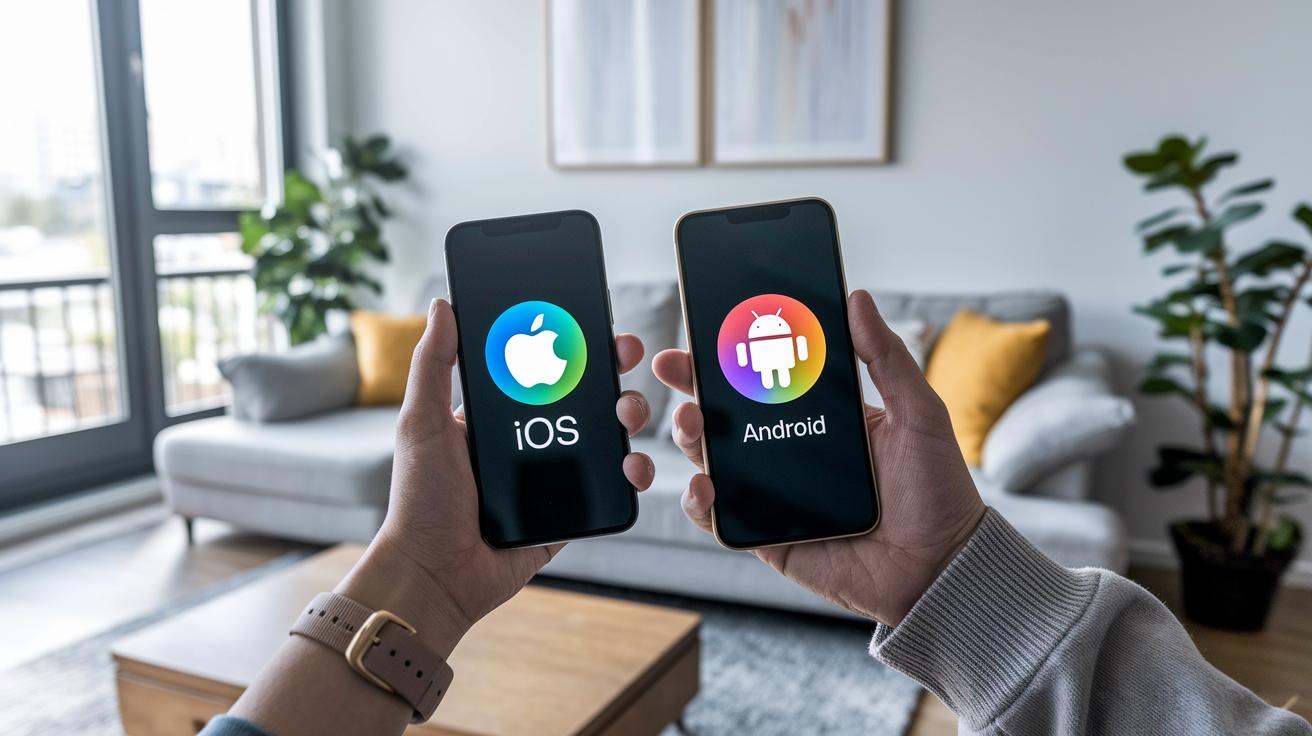
Software support plays a big role when choosing a 5G smartphone. A longer update period means your phone will receive new features and better security for many years. Apple iOS devices typically get over 5 years of OS updates, which helps them work well as 5G networks improve. In contrast, Android phones offer varied update cycles. For example, Google Pixel phones usually receive about 3 years of major OS updates and 5 years of security patches, while Samsung now guarantees roughly 4 years of major OS updates along with 5 years of security coverage.
Frequent firmware updates are important because they unlock extra network bands and boost performance on both mmWave (fast, short-range 5G) and sub-6 GHz (more common) connections. These updates fix bugs and improve efficiency, keeping your phone running smoothly as networks evolve. Before buying a phone, check the manufacturer's record for delivering timely updates. Choosing a device known for software longevity ensures your phone remains current, secure, and retains its value over time.
Durability and Design: Choosing a Resilient 5G Smartphone
When choosing a 5G smartphone, focus on build quality and a design that endures daily use. Look for strong materials like aluminum alloy or stainless steel that feel solid and stylish. The back may use Gorilla Glass Victus (a type of scratch-resistant glass) or lightweight polycarbonate for extra toughness. Also, check the phone’s IP rating. An IP67 rating means it handles splashes and brief water exposure, while an IP68 rating offers more protection against dust and water.
Comfort matters too. Make sure the phone’s weight and grip work well in your hand, and that the buttons are in easy-to-reach spots. Ask yourself if the design fits your daily routine. This practical check helps you choose a device that stands up to everyday knocks and environmental challenges. In short, a sturdy design leads to lasting performance and satisfaction with your 5G smartphone.
Additional Considerations for 5G Smartphones: Warranty, Resale Value, and Future-Proofing
Manufacturer warranties usually last 1 to 2 years, and many brands let you extend that period. A warranty is your safeguard against surprise repair bills. For instance, a 1-year warranty can help you avoid high repair costs.
When thinking about resale value, note that iPhones tend to keep about 60–70% of their price after one year. In contrast, Android flagships usually drop to 40–50% of their initial cost. This can make a big difference when you decide to upgrade.
Future-proofing is also key. Choose devices that support new 5G features such as C-band and mmWave (a type of high-speed wireless signal). Look for models with modular parts that are easier to update as tech evolves. This way, your purchase stays useful longer.
- Warranty Coverage: Helps avoid high repair bills.
- Resale Value: Better long-term worth if it holds its value.
- Future-Proofing: Keeps up with new 5G innovations.
Final Words
In the action, we broke down everything from network strengths, processor choices, battery endurance, and display perks to camera quality, pricing, and lasting software support. We even noted how design and warranty can affect your overall experience. Small, real-world tests showed the pros and cons of each part of a 5G smartphone. This guide gives you a clear view of how to choose the right 5g smartphone for your needs. Enjoy picking the device that meets your lifestyle and budget with confidence.
FAQ
How to choose the right 5G smartphone?
The process of choosing the right 5G smartphone involves checking network compatibility, processing power, battery life, and overall value. Look for reviews and guides that compare features and prices to match your needs.
Where can I find a 5G phone list and pricing info?
The list of 5G phones covers a range of models from budget to premium. Trusted review sites, like devicerankings.com, offer updated lists, pricing details, and unlocked options, including those for carriers like T-Mobile.
What should I look for in a 5G phone?
The key checklist for a 5G phone includes support for various 5G bands, a strong processor, enough RAM, long battery life, and quality cameras. These features help provide smooth performance and reliable connectivity.
Why are people turning off 5G?
The trend to switch off 5G stems from efforts to save battery life and reduce excess heat. Some users also disable 5G when coverage is spotty to maintain a steadier connection.
What makes a phone faster: RAM or processor?
The phone’s processor generally drives speed by handling tasks and operations quicker, while sufficient RAM supports smoother multitasking. Both components are important, but the processor has a bigger impact on overall performance.
How do I choose the best smartphone for me?
The best smartphone for you fits your daily needs by balancing display quality, battery endurance, camera performance, and processing speed. Consider which features matter most for your typical usage.
What are the best 5G phone plans available?
The best 5G phone plans depend on regional coverage and the carrier. Look for plans that deliver reliable 5G service, ample high-speed data, and competitive pricing to ensure you get the most out of your device.