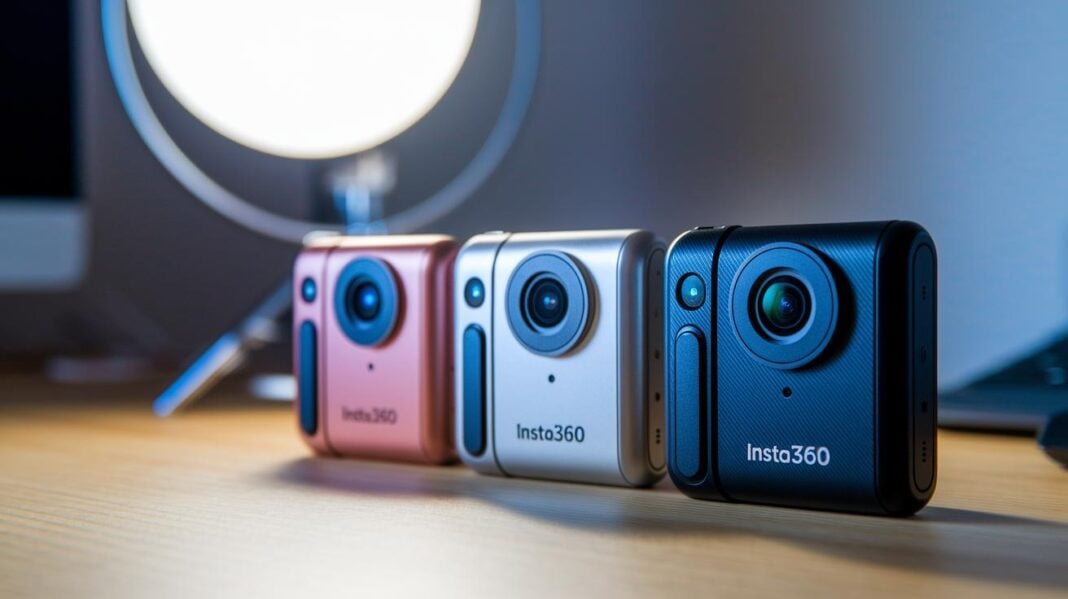
Can one action camera truly outshine its rivals? We looked at the Insta360 X5, the GoPro Max 2, and the DJI Osmo 360. All three cost between $400 and $450. The key differences lie in their design and mounting choices. One camera feels like a smart upgrade to your selfie stick, while another is built for smooth handheld shooting. However, one model does not support the US market. In this post, we compare these cameras side by side so you can choose the one that best fits your active shooting style.
Key Findings in the Insta360 Action Camera Comparison
There are three action cameras: the Insta360 X5, GoPro Max 2, and DJI Osmo 360. All cost around $400 to $450. Since the prices are almost the same, your decision will depend on design and mounting options. Also, note that the DJI model does not have official US support, which might affect service and repairs.
Each camera weighs about 190 g (±10 g), making them compact and easy to handle during active shooting. Their shapes, however, are quite different. The Insta360 X5 has a long design that works great for pole mounting and high-angle shots, while the GoPro Max 2 and DJI Osmo 360 have a shorter build that feels more natural for handheld use. Think of holding the Insta360 X5 like using a selfie stick to take a wide group photo.
A major plus for these cameras is their mounting versatility. They all come with quick-release adapters, 1/4-20 tripod threads, and magnetic mounts. This uniform design lets you switch accessories quickly during your shoot.
| Model | Price | Weight | Design |
|---|---|---|---|
| Insta360 X5 | $400–$450 | ~190 g | Elongated, ideal for pole mounting |
| GoPro Max 2 | $400–$450 | ~190 g | Squat, handheld |
| DJI Osmo 360 | $400–$450 | ~190 g | Squat, handheld (no US support) |
Insta360 Action Camera Comparison: Design, Durability & Mounting
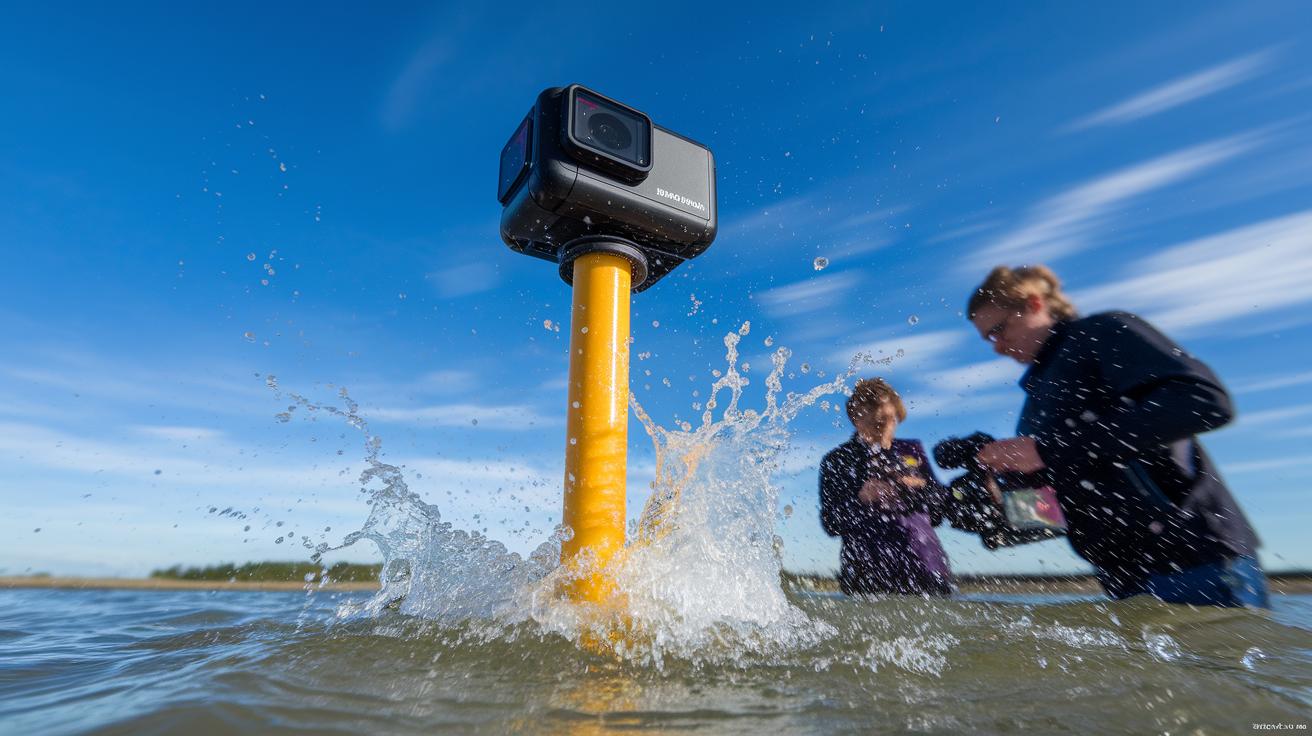
We tested the build quality of the Insta360 camera and found it stands out. The taller, elongated design not only looks good but also adds extra pole-mount stability for high-angle shots. One reviewer even said it felt as secure on a pole as it would on a tripod in high winds.
Water resistance is another strong point. The Insta360 handles underwater filming up to 15 m, making it a smart choice if you plan to shoot near or in water. For comparison, the DJI model only goes 10 m and the GoPro reaches 5 m (and needs a dive case for clear footage).
Lens maintenance is also a factor. Both the Insta360 and GoPro let you easily replace the lens dome if it gets scratched or dirty, while the DJI’s fixed dome can make repairs trickier.
Each model comes with standard mounting accessories like quick-release adapters, 1/4-20 tripod threads, and magnetic mounts. This setup makes it simple to switch between mounting options, whether you’re attaching the camera to a helmet or a handheld gimbal.
- Build quality: Rugged design built for outdoor use.
- Water resistance: Insta360 leads with 15 m underwater.
- Lens maintenance: Replaceable dome design on Insta360 and GoPro.
- Mounting system: Comes with quick-release adapters, tripod thread, and magnetic mounts.
Insta360 Action Camera Comparison: Video & Image Quality Analysis
The Insta360 and its rivals all shoot high-resolution video, but they do it in slightly different ways. Both the Insta360 and the GoPro capture 8K video at 30 fps. DJI, on the other hand, pushes the limit with 8K at 50 fps. This means smoother motion during fast scenes. All three cameras also handle 5.7K at 60 fps, which is great for detailed action shots.
Slow-motion is a key factor too. Each camera can record 4K at up to 100–120 fps. Keep in mind that cropping to 1080p may lower the quality when you watch on a full screen.
Low-light performance also varies. The Insta360 and DJI deliver clean, bright night shots, while the GoPro tends to produce darker footage. For example, in a low-light outdoor test, the Insta360 kept clear, vibrant details even against deep shadows.
When it comes to dynamic range, all cameras do a good job balancing bright and dark areas. The Insta360 stands out by maintaining accurate colors and keeping wide-angle shots natural without distorted edges, even in mixed lighting.
Log profiles are important for editing. The available bitrates show a clear difference:
- GoPro: 300 Mbps
- Insta360: 180 Mbps
- DJI: 170 Mbps
Higher bitrates give you more data to work with when color grading, which is helpful if you plan on doing detailed editing.
- 8K capture: Insta360 and GoPro at 30 fps; DJI at 50 fps.
- 5.7K capture: All three at 60 fps.
- Low-light performance: Cleaner night footage from Insta360 and DJI; darker results from GoPro.
- Slow-motion: Up to 120 fps in 4K, but cropping to 1080p can reduce quality.
Insta360 Action Camera Comparison: Battery Life & Charging Performance
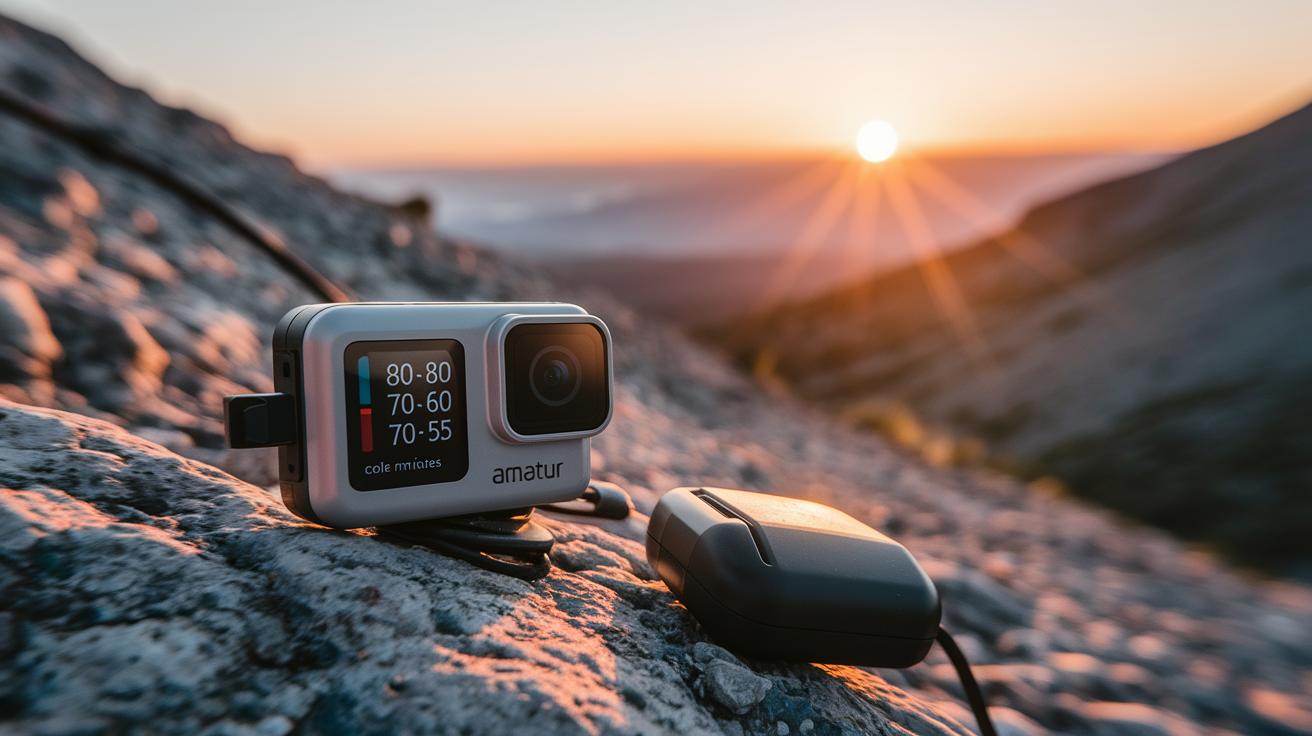
Battery life is a must-have when you want to film all day. The Insta360 X5 can run for about 80 minutes on a single charge thanks to its side-mounted battery. Our real-world tests show that this gives you plenty of time for outdoor adventures. In contrast, the GoPro Max 2 offers roughly 70 minutes per charge. DJI’s Osmo 360 takes a different route by using interchangeable batteries with a charging case, and each battery lasts about 65 minutes. This setup works well if you plan to swap batteries while you’re out shooting.
None of these cameras have fast charging built in. That means the charging speed depends on the external charger you use. We suggest checking your charger’s details if you often need to swap batteries during a shoot.
- Battery life: Insta360 X5 runs for 80 minutes, GoPro Max 2 lasts 70 minutes, and DJI Osmo 360 offers 65 minutes.
- Charging method: DJI lets you swap batteries quickly, while the Insta360 uses a side-mounted battery.
- Fast charging: Not available; the charging speed depends on your external charger.
Imagine you are on a long travel shoot. With the Insta360 X5, fewer breaks for charging mean more time to capture your adventure.
Insta360 Action Camera Comparison: Advanced Shooting Features & Creative Modes
Each camera brings a mix of creative shooting modes and high-resolution options that make capturing unique footage easy. Insta360 shines with its live in-screen reframing feature, which lets you adjust the frame while recording, ideal for capturing fast changes in dynamic scenes. All models come with a built-in stabilization system (FlowState or similar) to keep video smooth during sudden movements.
Insta360 and DJI go a step further with their 360 hyperlapse feature. This lets you transform long, static shots into lively time-lapse videos with an immersive twist. GoPro, however, sticks to a basic flat time-lapse mode, which might hold back creative storytelling. All cameras support slow-motion capture up to 120 fps, allowing you to catch every detail in high-speed action and slow it down to make moments stand out.
Insta360 also impresses with special modes like Bullet Time and FreeFrame. These features offer creative framing options that work great for action and sports videos by providing unusual angles and precise ways to capture dramatic moments.
Advanced options such as 8K stitching and standard log formats give professionals the extra flexibility they need in post-production. With these tools, you can push past everyday filming and capture content that is both artistically unique and technically solid.
- Stabilization: FlowState technology keeps your footage smooth.
- Creative Modes: Bullet Time and FreeFrame offer unique framing options.
- Hyperlapse: Insta360 and DJI deliver immersive 360 time-lapse effects.
Insta360 Action Camera Comparison: User Interface, Apps & Editing Software

Insta360 is known for its easy-to-use mobile app that quickly turns 360 videos into flat ones. The app works smoothly with the desktop Snap Stitch software and easily links with popular editing tools like Adobe Premiere and Final Cut Pro. The X5’s responsive touchscreen makes it simple to perform accurate edits on the go. Regular monthly firmware updates add new features and keep everything running reliably.
When you compare brands, GoPro’s app stands out by overlaying GPS data onto your footage. This extra detail helps when you need to track speed or location during your adventures. On the other hand, DJI’s system lacks GPS data and cloud backup, which makes its app feel more basic. Each brand handles color grading and editing workflows differently. Insta360 keeps things simple and efficient for creative users, while GoPro and DJI may require a few extra steps to do the same tasks.
Insta360 clearly values a smooth user interface during filming. The X5’s fast touchscreen and clear menu let you adjust settings quickly, whether you’re shooting in bright light or in low-light conditions. The Snap Stitch desktop software also plays a key role by converting 360 footage into flat video. This makes editing easier and helps maintain video quality for color grading.
- Touchscreen responsiveness: The Insta360 X5 allows for quick and precise adjustments.
- App and software integration: Both mobile and desktop tools work well with popular editing platforms.
- Firmware reliability: Monthly updates keep the system up-to-date and dependable.
Insta360 Action Camera Comparison: Connectivity, Cloud & Ecosystem Integration
Insta360 comes with built-in Wi-Fi and Bluetooth that let you control the camera from a distance and stream live via its 360 cloud service. This wireless setup helps you quickly change settings, transfer footage, and share your moments on social media without any hassle. The camera works through a mobile app, so you can manage your shoot easily even when you can't touch the device. We tested the connection on the Insta360 and found it to be smooth and reliable, even in busy shooting conditions.
GoPro, on the other hand, adds GPS data overlays and its own cloud backup service, which is helpful if you need extra details or depend on location data in your work. DJI does not offer these cloud features or GPS support, so it might not work as well if you need remote control through an app. All three cameras let you share directly on social media, but the Insta360 stands out with its simple cloud service and user-friendly app interface.
- Wireless connectivity: Built-in Wi-Fi and Bluetooth for fast, remote control.
- Social-media integration: Easy transfers with direct, app-based uploads.
- Cloud service: Insta360’s 360 cloud supports live streaming.
Insta360 Action Camera Comparison: Pricing, Value & Expert Recommendations
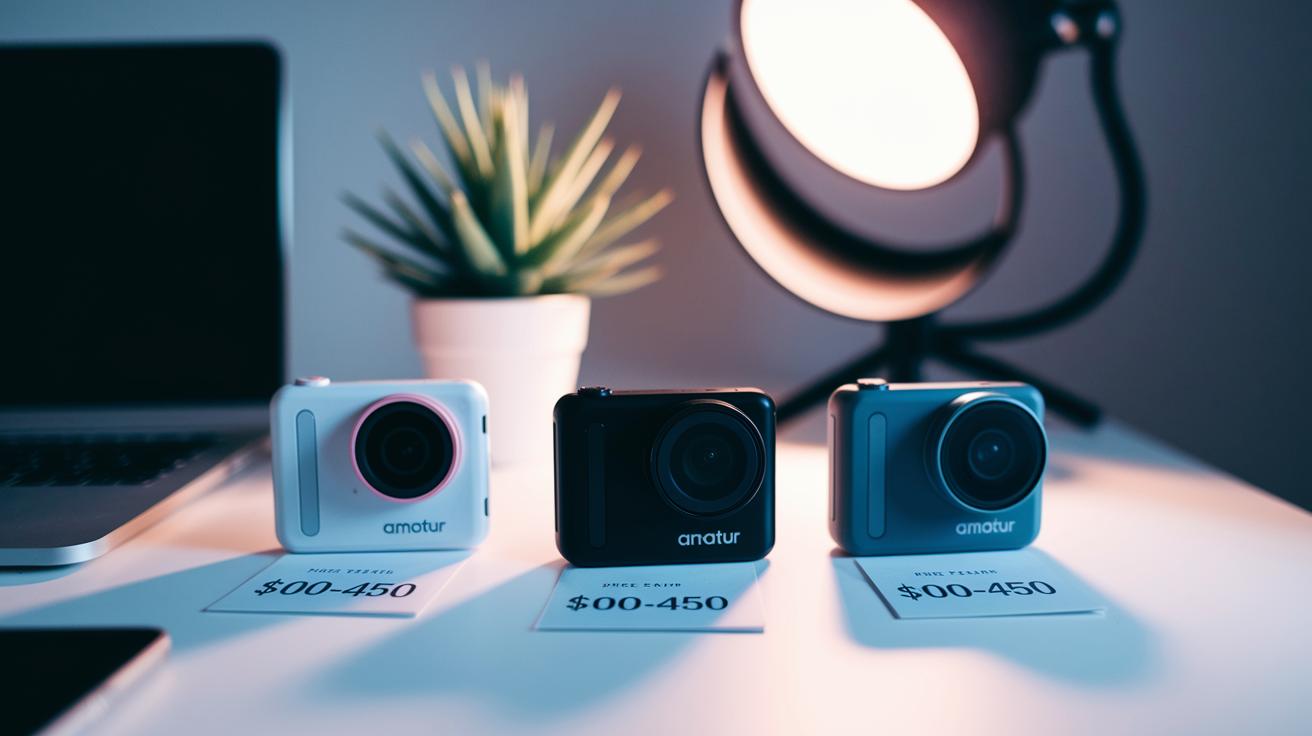
Retail prices for the Insta360 X5, GoPro Max 2, and DJI Osmo 360 run about $400 to $450. Each camera offers its own extras that boost value. For instance, the Insta360 X5 comes with extra batteries and a protective case, giving you more than just a camera. Similarly, many GoPro bundles include handy mounts so you can start shooting right away. On the other hand, the DJI Osmo 360 has a competitive price but lacks official US support, a key point if you need local repair services.
Experts say you should pick a camera that fits into your current setup. If you like creative shooting features such as live in-screen reframing, the Insta360 is a solid choice. If you need a high bitrate for detailed editing and richer post-production, the GoPro Max 2, with its bundled mounts, is worth considering. And if high-fps 8K recording is on your list, the DJI model might be a match, even if its support system isn’t ideal for everyone.
Every accessory and support option counts when it comes to money value. Think of it like finding an extra battery with your purchase, it’s a bonus that can tip the scales. These small extras can help you decide which camera gives the best overall experience for your needs.
Final Words
In the action, we explored key specs, design trade-offs, battery life, and shooting modes. We broke down camera performance with real-life testing and discussed the ups and downs of user interface and connectivity. Our review highlights differences in weight, mounting options, and pricing across the main models. With this insta360 action camera comparison, you can pick a device that suits your needs with confidence. Enjoy capturing your best moments with a choice that fits your style and budget.
FAQ
What does the Insta360 comparison chart cover?
The comparison chart covers price parity, weight, form-factor, and mounting options, so you get a quick picture of how different Insta360 models stand against each other.
How does the Insta360 X4 compare to the X5?
The Insta360 X4 vs X5 comparison shows differences in size, battery life, and creative features, making it easier to choose the model that best meets your shooting style.
What differences can be seen in the Insta360 X3, X4, and X5 models?
The Insta 360 X3 X4 X5 comparison highlights design upgrades, performance improvements, and feature enhancements, so you know which generation fits your creative needs.
Which is the best Insta360 camera for travel?
The best Insta360 camera for travel combines a lightweight build, versatile mounting options, and high-quality video performance, ensuring easy capture of smooth footage on the go.
How do the sizes of the Insta360 X4 and X5 differ?
The Insta360 X4 vs X5 size comparison reveals that the X5 has a slightly elongated chassis, ideal for pole mounting, while both models maintain similar core features.
How do the Insta360 X3 and X4 differ?
The Insta 360 X3 vs X4 comparison points out design refinements and improved user interface in the X4, making it more user-friendly and better suited for everyday use.
How does the Insta360 X3 compare to the X5?
The Insta360 X3 vs X5 comparison outlines upgrades in battery life, mounting options, and creative shooting modes, helping you decide if the X5 upgrade is worthwhile.