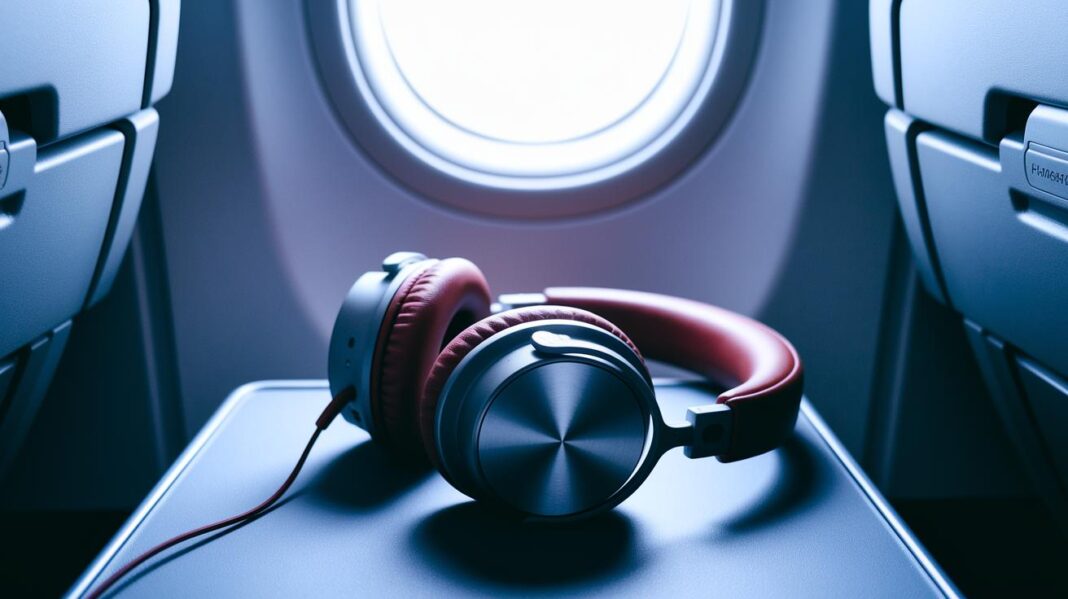
Ever get annoyed by the endless hum of airplane engines? Imagine putting on headphones that shut out the cabin noise and let you relax in your own quiet space. We checked out several models known for their strong noise cancellation, comfy fit, and long battery life. Our review explains which ones do the best job at silencing engine sounds and chatter. Keep reading to see how you can turn your next flight into a calm, personal retreat.
Top Noise Cancelling Headphones for Airplane Use
Air travel noise can be a real nuisance, but these headphones help you tune it all out. We tested them to make sure you get a quiet, clear sound even when the cabin buzzes with engine noise and chatter. Our top picks mix strong noise-cancelling tech, comfort, and long battery life to keep you listening all through long flights. Imagine settling into your seat, pressing play, and feeling like you're in a private concert hall far from the usual airplane din.
| Headphone Model | Type | ANC Technology | Battery Life | Weight | Price |
|---|---|---|---|---|---|
| Sony WH-1000XM6 | Over-Ear | 12-mic ANC | 30h | 254g | $348 |
| Sennheiser Momentum 4 | Over-Ear | Hybrid ANC | 60h | 305g | $299 |
| Sony WF-1000XM5 | True Wireless Earbuds | Industry-leading ANC | 8h +16h case | 55g | $229 |
| Sennheiser Momentum True Wireless 4 | Earbuds | Advanced ANC | 7h +21h case | 59g | $279 |
| Audio-Technica ATH-ANC500BT | Over-Ear | Hybrid ANC | 40h | 250g | $99 |
Each model is chosen because it blocks out background noise very well. If you need a snug fit and extra battery life, the Sennheiser Momentum 4 offers up to 60 hours of playtime. Meanwhile, the true wireless options from Sony and Sennheiser are lighter and easier to carry but still cancel noise impressively. One reviewer noted, "The moment you put them on, it feels like switching from a busy street to a quiet room." These headphones cover a range of needs, whether you value battery life, sound quality, or portability for long flights.
Understanding Active Noise Cancellation for Airplane Travel
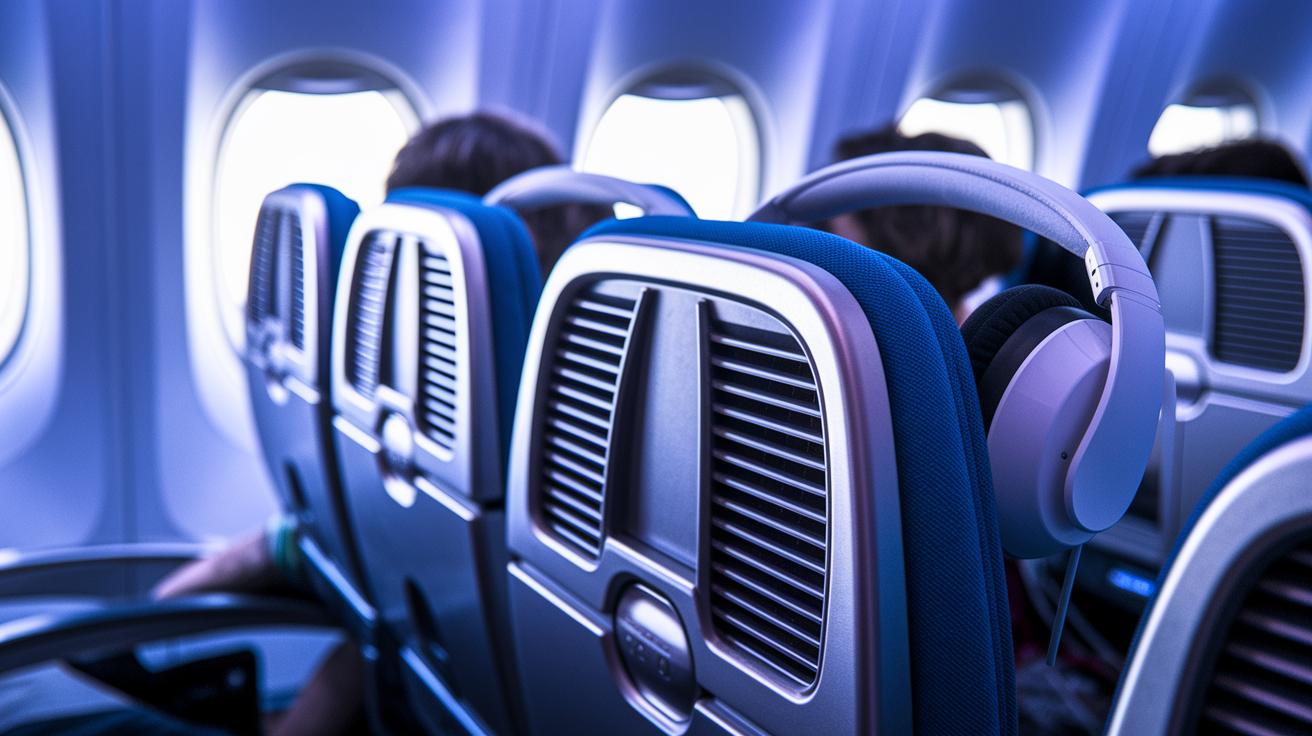
Active noise cancellation (ANC) uses both external and internal microphones to cut down on unwanted cabin noise during a flight. It listens for sounds like engine hum and chatter, much like the Sony WH-1000XM6 (which has 12 mics). When it picks up noise, built-in processors quickly create opposite sound waves to cancel it out. The result is a quieter, more comfortable ride even when soaring at high altitudes.
How ANC Works
ANC captures surrounding sounds with external mics and built-in sensors. The noise then goes to a processor that figures out the exact inverse sound wave needed to cancel it. For example, the Sony model uses 12 mics to pick up sounds from all around, ensuring a full range of noise reduction. This lets you enjoy clear audio even with constant engine and cabin sounds in the background.
ANC vs Passive Isolation
Passive isolation relies on the headphone design to block noise. Tight ear-cup seals, thick ear pads, and sturdy headbands form a barrier against outside sounds. While these features help reduce some ambient noise, they cannot match the performance of active noise cancellation in cutting engine noise during a flight.
Key Features for In-Flight Noise Cancelling Headphones
Battery life is one of the most important factors when you pick headphones for a flight. Most models offer between 20 and 60 hours of playback. One reviewer even said, "I could sleep, watch movies, and still have battery left for in-flight announcements," when testing a model with 60 hours of battery life.
Design and comfort are also top priorities. Look for headphones that fold flat so they easily fit in your travel bag. Memory-foam ear pads and adjustable headbands help keep you comfortable during long flights. One user mentioned that a fold-flat design saved space in a crowded overhead bin by fitting neatly into a backpack.
Connectivity is another key area. Some headphones work both wired and wirelessly. The wired option gives zero delay and the best sound quality, while the wireless option lets you move freely around the cabin. On-ear touch controls also make it simple to adjust the volume or change tracks without any hassle.
It is crucial to have a frequency response that cancels out engine noise. This feature cuts the low-frequency hum so you can enjoy your music without distracting background sounds.
Don't forget to check for a durable build and an easy-to-use interface. Make sure the design and connectivity work well for both your travel and listening needs.
Wireless vs Wired Noise Cancelling Headphones on Flights
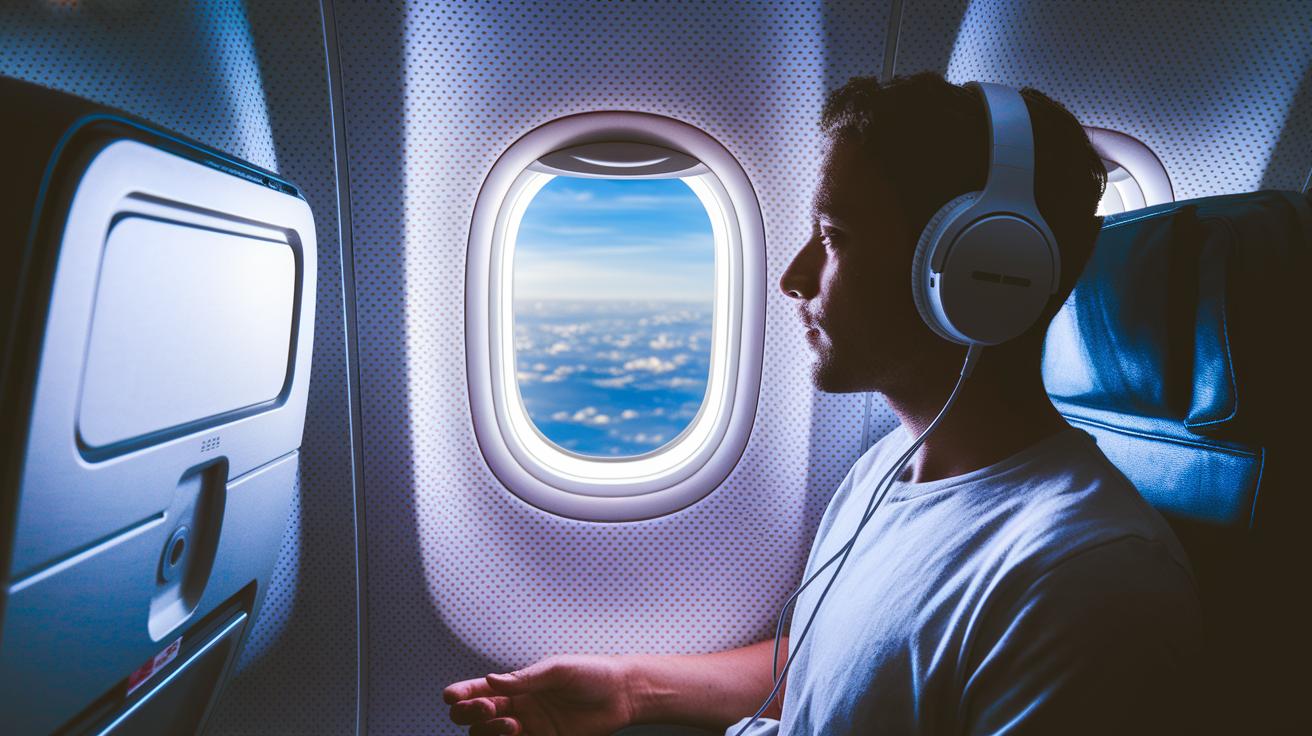
When you travel by plane, your headphone choice can change your experience. Using a wired connection means you get clear sound, no lag, and no battery worries. The audio stays pure through the cable, and most flights offer a universal 3.5 mm adapter so nearly any headphone works. One reviewer said, "A wired connection feels like an instant audio connection with no drop in quality." This setup is great for watching movies or hearing in-flight announcements clearly.
Wireless headphones, on the other hand, give you the freedom to move around. With Bluetooth, you can easily switch between devices even when the headphones sit in your carry-on. Many models, such as the Sony WH-1000XM6 and Sennheiser Momentum 4, let you use both wired and wireless modes. This means you can choose wired for top sound quality or wireless for easy movement.
Both options boost your in-flight experience. Choose wired if you want the best sound with zero delay. Pick wireless if you prefer a hassle-free, portable setup.
Comfort and Fit: Lightweight Noise Cancelling Headphones for Long-Haul Flights
In our long test flights, we found that the Sony WH-1000XM6 (254 g) cuts down on ear fatigue during red-eye trips. The lower clamping force and padded headband keep pressure low even after 8 hours. One user said they barely felt any discomfort and really appreciated the gentle hold.
The headphones also feature a smart pivot mechanism and fold-flat hinges that give a secure yet relaxed fit. This design adapts to natural head movements, which our testers found handy on long-haul flights.
| Feature | Benefit |
|---|---|
| Weight | 254 g reduces strain during long use |
| Low Clamping Force | Less ear fatigue even after hours of wear |
| Fold-Flat Hinges | Easy to pack without losing a secure fit |
Noise Cancelling Earbuds vs Over-Ear Headphones for Air Travel
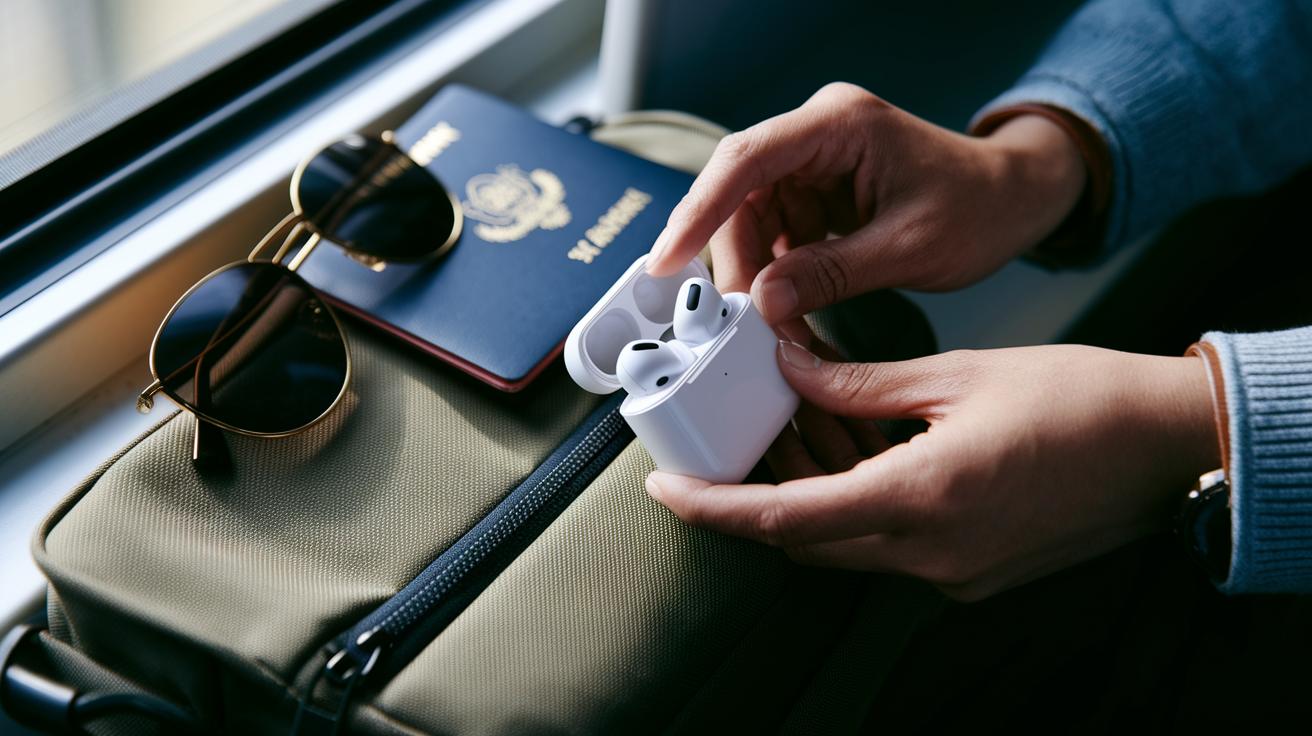
True wireless earbuds such as the Sony WF-1000XM5 (8-hour battery, strong seal) and the Sennheiser Momentum True Wireless 4 (7-hour battery) are a great pick for travelers. Their small, lightweight design means they easily slip into a pocket or small bag. The compact charging case fits neatly and gives you extra power on the go. They also use a solid passive seal that cuts down on mid and high frequencies, making them ideal for quick noise reduction.
Benefits of Noise Cancelling Earbuds
- Easy portability for travelers who pack light
- A small charging case that boosts battery life
- A good passive seal that lowers engine and cabin noise
Over-ear headphones, on the other hand, offer stronger active noise cancellation and a wider sound stage. Their bigger ear cups and cushioned design work well to lower low-frequency sounds. This setup lets you fully enjoy music, movies, or podcasts during long flights. They usually have a longer battery life and do a better job at canceling out engine hum. While they are less compact, they are the top choice when you need maximum noise reduction and extra comfort.
Budget-Friendly Picks: Economical Flight Noise Reducers
If you travel on a budget, these headphones block out engine noise and background chatter without breaking the bank. They offer steady Active Noise Cancellation (ANC) and come with travel-friendly features that work to cut out cabin hum and keep audio clear during long flights.
These headphones use either hybrid or digital ANC to reduce unwanted sounds. They boast a battery life of 35 to 40 hours, so you can listen from takeoff to landing without needing a charge. The sturdy build and foldable design make them easy to pack in your carry-on. They may not have every extra feature of premium models, but they strike a great balance between performance and value for the price-conscious traveler.
Here are three top affordable options:
- Audio-Technica ATH-ANC500BT – Hybrid ANC, 40 h battery, $99
- Sony WH-CH710N – Digital ANC, 35 h battery, $150
- Anker Soundcore Life Q35 – Hybrid ANC, 40 h battery, $80
These choices are ideal if you want to lower cabin noise and save money on your next flight. Enjoy a quieter journey without overspending on fancy extras.
Expert Testing and Ratings for Airplane Headphones
We tested these headphones in real in-flight conditions. We played bass-heavy songs to mimic the engine's low hum, classical tunes to test high frequencies, and spoken word to check mid-range quality. We measured active noise cancellation by comparing background noise levels before and after turning it on. This simple test shows how well each headphone quiets both engine and cabin sounds.
We also focused on comfort. Our team listened for long periods to check the clamp force, ear pad cushioning, and headband fit. We measured battery life using continuous playback and standby modes to see if the headphones can survive long-haul flights. Portability was rated based on size, weight, and how easy they are to pack. Every feature was scored from 1 to 10 using our travel-tech expertise.
- Comfort during prolonged use
- Battery longevity in different modes
- Portability for travel convenience
This method gives a balanced view of which headphones work best under real in-flight pressures. We made sure these models perform reliably in the unique conditions found on an airplane.
Tips for Maximizing Noise Cancelling Performance on Flights
Flying can be noisy, but you can boost your noise cancelling headphones for a much quieter trip. Try these simple steps to get the best performance from your device.
Before you board, make sure your headphones are fully charged so you don't miss a beat. Keep a dual-prong audio adapter on hand for reliable connections while on the plane. Update your firmware before you fly since these updates often improve battery life and sound quality. Check that your ear-cup seal fits snugly before takeoff because a good fit helps block out more noise. As soon as you board, activate the noise cancelling mode to save battery and keep the background noise at bay.
- Fully charge headphones before boarding
- Carry a dual-prong audio adapter
- Update firmware pre-flight
- Ensure a snug ear-cup seal before takeoff
- Activate noise cancelling mode immediately
Follow these steps for a smoother flight and a more peaceful listening experience.
Final Words
In the action, we explored top features and performance for in-flight silent sound. We compared models through clear specs and hands-on tests, and explained how active noise cancellation works versus passive isolation. We weighed wired against wireless options and highlighted budget-friendly finds. Practical tips helped you maximize performance during flights. Together, these insights form a trustworthy guide to choose the best noise cancelling headphones for airplane travel. Enjoy a quieter, more comfortable flight experience ahead!
FAQ
What are the best noise cancelling headphones for airplane travel or flying?
The best noise cancelling headphones for airplane travel are designed to reduce engine noise and offer long battery life. Models like the Sony WH-1000XM6 and Audio-Technica ATH-ANC500BT deliver strong isolation and comfort.
Do noise cancelling headphones work on an airplane?
Noise cancelling headphones work on an airplane by using built-in microphones and processors that generate counter sound waves to reduce cabin noise, making flights quieter for passengers.
Which noise cancelling headphones are budget-friendly for flying?
Budget-friendly options are available, such as the Audio-Technica ATH-ANC500BT and Sony WH-CH710N, which offer effective noise cancellation and long battery life at prices around $99 to $150.
Which headphones should I choose for watching movies on a plane?
For in-flight movie watching, choose headphones that offer clear audio and solid noise cancellation. The Sony WH-1000XM6, for example, combines excellent sound quality with a comfortable, secure fit.
What are the best noise cancelling earbuds for in-flight use?
The best in-flight noise cancelling earbuds, like the Sony WF-1000XM5, offer true wireless convenience, effective active noise cancellation, and a secure fit that isolates ambient cabin noise.
Which noise cancelling headphones are best for kids during air travel?
The best options for kids feature volume-limiting, comfortable designs, and effective noise reduction. Look for models specifically designed with smaller headbands and lightweight materials.
What is the best noise cancelling aviation headset?
The best noise cancelling aviation headsets are built for professional use, offering enhanced microphone clarity and high-grade noise reduction to meet aviation standards for cockpit communications.
How do models like the Sony WH-1000XM6 and Anker Soundcore compare?
Comparing models like the Sony WH-1000XM6 and Anker Soundcore involves looking at features such as ANC technology, battery life, design comfort, and price, ensuring you pick the model that best suits your travel needs.
How do noise cancelling headphones help with cabin pressure during flights?
While they do not change cabin pressure, noise cancelling headphones with a snug, secure fit can improve comfort by reducing ambient noise, which helps distract from the sensation of pressure changes.
What can you tell me about Almohadilla Para Auriculares Anker Soundcore Space Q45 Azul Saisiyiky?
This term refers to specialized headphone cushions for the Anker Soundcore Space Q45. They are designed to enhance comfort and improve the noise isolation performance of the headset during flights.
What is the Blue-Point toolbox product mentioned in related queries?
The Blue-Point toolbox appears to be unrelated to noise cancelling audio products and is likely a tool intended for repair or maintenance, not for in-flight sound reduction.