Have you ever wondered how a basic box sparked the video game revolution? Early consoles such as the Ralph Baer Brown Box and the Magnavox Odyssey turned simple lab ideas into home entertainment that everyone wanted. They used straightforward technology to light up our TVs and change the way we played games. This article takes a look back at those early consoles and shows why their simple charm still wins us over today.
Original gaming consoles: Celebrate Timeless Fun
The first gaming systems turned lab experiments into everyday fun. It all began with Ralph Baer's Brown Box in the late 1960s. This simple device used analog circuits to show basic graphics on a TV. It even came with light-pen controllers, proving that interactive games could work outside an arcade.
By 1972, these ideas became a real product with the Magnavox Odyssey. Priced at $100 (about $500 today), it became the first home video game system. Although it reworked elements of the Brown Box, it added features like game cards you could swap and a light-gun accessory. These improvements helped start the gaming revolution of the 1970s.
Collectors and gamers now call these early systems vintage consoles. They capture the moment when a small engineering idea grew into a booming industry. The Odyssey showed that home consoles could bring a fresh type of entertainment into our lives. In short, these devices changed the way people play, paving the road for decades of gaming innovation.
Original Gaming Consoles: Ralph Baer’s Brown Box and Birth of Interactive TV Games
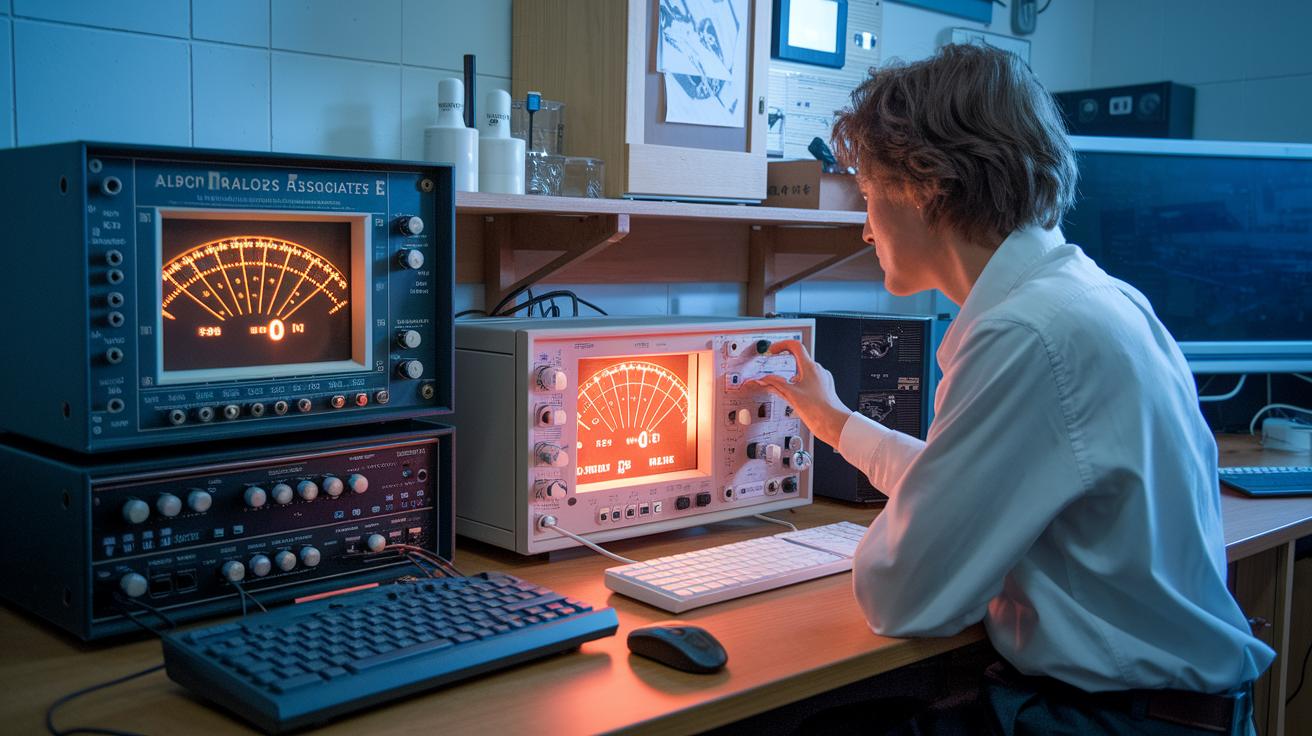
Ralph Baer's Brown Box was built in 1967 at Sanders Associates. This early device turned a lab experiment into a working system that let people play games on their TV. It used analog circuits to create basic images and came with light-pen controllers and game modules to interact with the screen.
Unlike later digital systems, the Brown Box used continuous electrical signals instead of binary data (0s and 1s). Think of it like using dials and switches on an old radio to control game actions. Before digital screens and microprocessors, this system made games interactive with smooth analog signals.
By doing this, the Brown Box set the stage for all future home gaming consoles. It showed that the key to video games is user interaction.
Original Gaming Consoles: The 1972 Magnavox Odyssey Launch and Innovations
The Magnavox Odyssey hit the market in May 1972. It was a newer version of the Brown Box and cost $100. The console came with changeable game cards, a light-gun accessory, and TV overlays that served as guides on screen. At launch, players could switch modules, like test cards, which was a first for home games.
However, the Odyssey did not sell well. Limited marketing through select dealers and confusion, many thought it only worked on Magnavox TVs, reduced its popularity. Still, its modular design set the stage for future cartridge-based gaming systems.
Original Gaming Consoles: Atari Pong and the Rise of Home Popularity
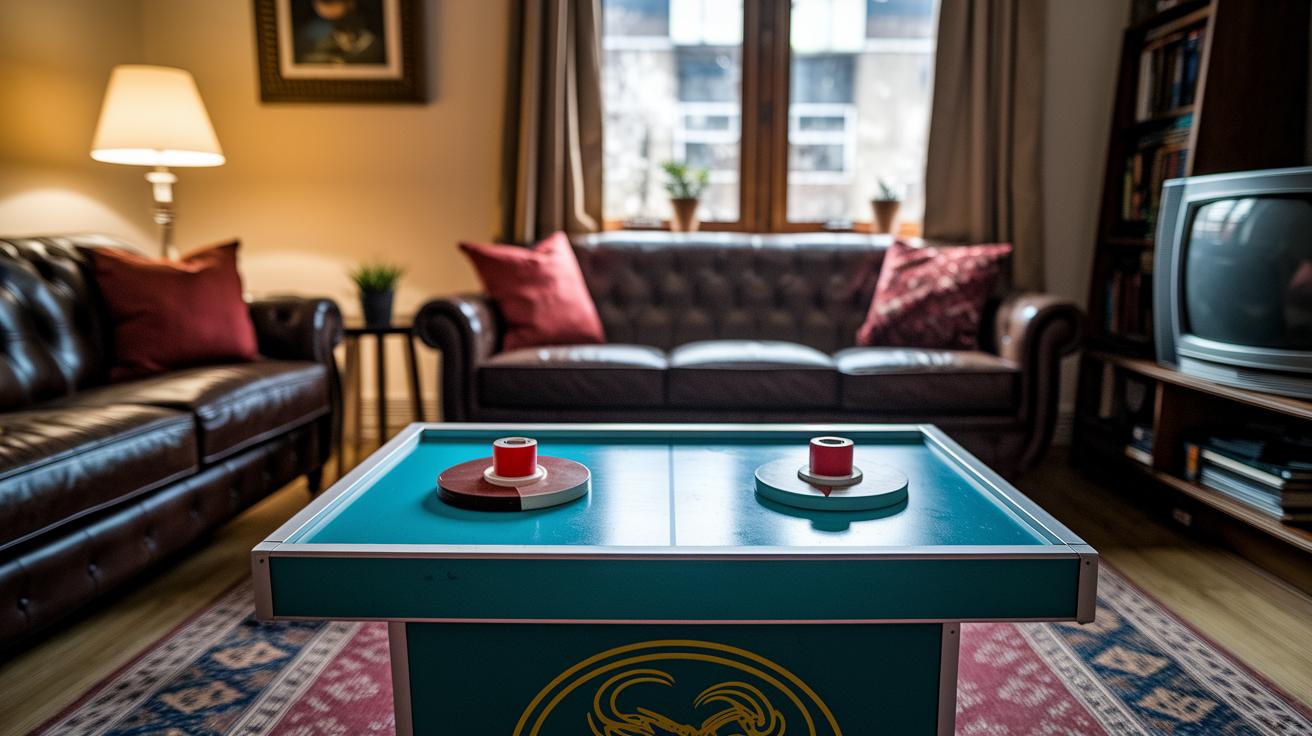
In 1975, Atari brought Pong into the living room, making a popular arcade game easy for everyone to enjoy at home. The simple two-paddle gameplay and built-in game code meant that anyone could pick it up with little instruction, perfect for families and casual gamers.
Pong had a huge impact on the market. In its first Christmas season, around 150,000 home units were sold. This number showed that there was a strong demand for video gaming at home. Its low cost and ease of use set a new standard, and today many collectors see early Pong consoles as valuable items.
Pong sparked a wider interest in home video games during the 1970s. Its straightforward design and fun gameplay helped shape the basic ideas behind modern gaming.
Original Gaming Consoles: Nintendo Color TV-Game 6 and the First Color Experience
Nintendo’s Color TV-Game 6 launched in June 1977 in Japan as the first home console with color graphics. It brought bright visuals to gaming and made playtime more engaging. Instead of simple black-and-white screens, gamers enjoyed six different Pong games built into one system.
This console was Nintendo’s first step into making dedicated gaming hardware. It proved that small tech improvements could speed up the fun and change the course of video gaming. Its clever mix of color and solid game design set the stage for the colorful systems we use today.
Original Gaming Consoles: Technical Specifications and Design Features
Below is a table that shows some key hardware and controller design choices across early gaming consoles. It compares systems with parts that could be changed to those where everything was built in, marking the shift from experimental builds to designs that were easier for players.
For example, notice how the Odyssey used removable game cards while Pong had its game code built into the console. Each design tells a story of how gaming hardware evolved over time.
| Console | Year | Key Specifications | Launch Price | Controller/Accessory |
|---|---|---|---|---|
| Brown Box | 1967 | Custom analog circuits | N/A | Light-pen controllers |
| Magnavox Odyssey | 1972 | Discrete electronics, removable game cards | $100 | Light-gun accessory |
| Atari Pong | 1975 | Single-chip TTL logic, built-in game code | ~$40 | Standard paddle controllers |
| Nintendo Color TV-Game 6 | 1977 | Hardwired Pong variations on one PCB, color output | N/A | Integrated control pad |
Original Gaming Consoles: Legacy and Influence on Home Console Evolution
The Magnavox Odyssey used a modular cartridge system that let you swap games with ease. This early idea paved the way for today’s digital downloads, where you get a huge catalog of titles. It’s like changing the channel on your TV, each cartridge meant a fresh experience.
Pong made the jump from arcade cabinets to home units, proving that simple, fun gameplay works anywhere. Today, you see this concept in mobile arcade games that mix classic simplicity with features like online leaderboards.
The Color TV-Game 6 brought in color graphics that set the stage for high-definition and dynamic displays. Modern consoles now offer crisp resolutions and fast refresh rates, but they still echo those early experiments with basic color.
Early light-gun tech, seen in systems like the Odyssey and later with peripherals like the NES Zapper, started the trend for interactive play. Today’s controllers and virtual reality systems build on that tactile feel to pull you deeper into the game.
Original Gaming Consoles: Collector’s Guide and Preservation Tips
Collectors know that keeping vintage consoles in top shape is key. A mint-condition unit can even sell for over $200 if it comes with its original box and artwork. Authenticating your console with original documents adds real value.
Common issues include yellowed plastics, bad cartridge contacts, and drifting analog circuits. If you see these problems, consider doing a bit of restoration work. Try cleaning the cartridge contacts and connectors using a gentle electronics cleaner. You can also replace worn-out capacitors or reflow solder joints to keep the system running smoothly.
If you need more detailed refurbishing tips, check out our game console repair guide. Make sure your restoration workspace has proper tools and good lighting. Regular inspections and careful handling will help these classic consoles stay a joy for collectors and fans alike.
Final Words
In the action, we traced the journey of original gaming consoles from early prototypes to iconic systems like the Odyssey, Pong, and Nintendo’s debut color console. We highlighted key innovations in design and tech that paved the way for modern devices. Our guide also shared practical tips for safeguarding these classic units. Each step in classic gaming history reminds us why these vintage systems still shine today. The legacy of original gaming consoles continues to inspire new levels of gaming fun.
FAQ
What was the first gaming console?
The first gaming console was the Magnavox Odyssey, which began as a re-skinned version of Ralph Baer’s Brown Box and launched in 1972 to introduce home gaming.
What are some old gaming consoles?
Some old gaming consoles include the Magnavox Odyssey, Atari Pong, and Nintendo Color TV-Game 6, each marking early steps in home video gaming innovation.
What was before the Atari?
Before Atari Pong, the industry saw pioneering work from Ralph Baer’s Brown Box and consumer products like the Magnavox Odyssey, setting the stage for home interactive gaming.
What was NES’ competitor?
NES mainly competed with the Atari 2600, which dominated the market before Nintendo introduced richer gameplay and improved graphics in the mid-1980s.
What is the video game console timeline from 1967 to 2022?
The timeline begins with the Brown Box in 1967 and the Odyssey in 1972, followed by key releases like Atari Pong in 1975 and Nintendo’s early consoles, evolving to modern systems by 2022.
What distinguishes original gaming consoles from later models?
Original consoles used analog circuits and simple graphics with interchangeable game elements, while later models transitioned to digital systems with advanced processing and richer visuals.
How do 1970s and 1990s consoles compare?
Consoles in the 1970s introduced interactive home gaming with basic designs, whereas 1990s systems featured digital graphics and more complex gameplay, showing significant tech progress over time.