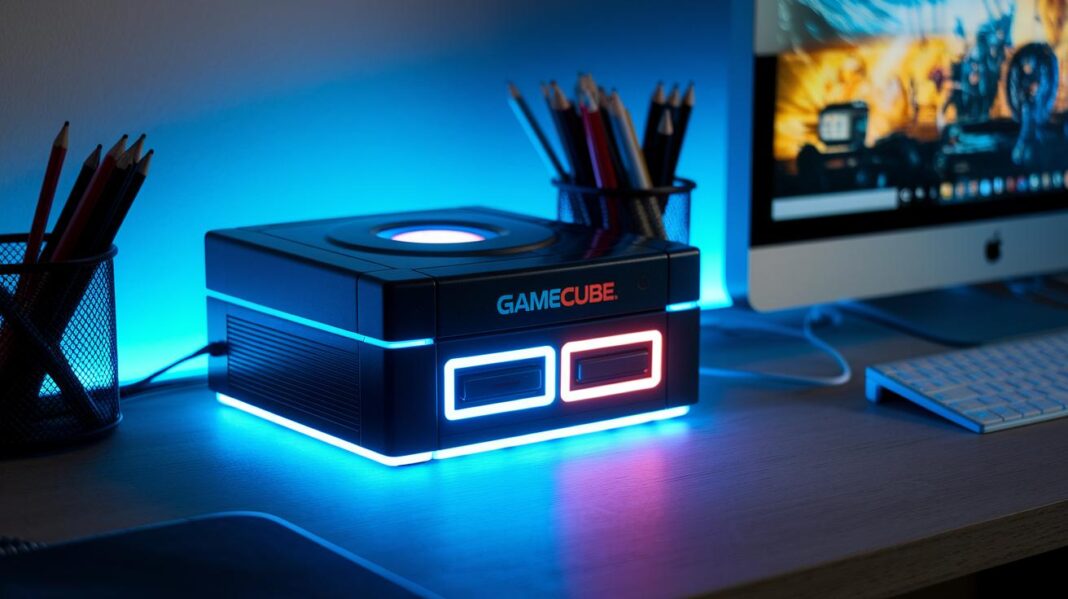
Ever wonder why some game consoles never lose their charm? The Nintendo GameCube caught many eyes with its compact, cube design and bright color choices that made every game session feel extra fun. It quickly became a favorite among both casual players and long-time fans.
In this post, we look at the GameCube’s tough build, clever features, and lasting appeal that helped shape modern gaming. Find out how this retro favorite still brings energy to game nights today.
Overview of the Nintendo GameCube Console
Nintendo’s GameCube stepped into the sixth generation with a look that set it apart. Its compact, cube-shaped design was a fresh change from the bulky consoles of the past. The GameCube was made for casual players and serious gamers alike, delivering innovative gameplay with a focus on family fun.
The console launched on September 14, 2001 in Japan, November 18, 2001 in North America, and May 3, 2002 in Europe. At launch, its sleek design and solid performance showed Nintendo’s commitment to quality. Early on, the GameCube's user-friendly features and unique style helped it stand out among its rivals. Dedicated sections for “GameCube For Sale” and “GameCube Games” still prove its lasting appeal.
The GameCube played a key role in changing gaming hardware. Its classic design and memorable games have made it a favorite among collectors and retro gaming fans.
GameCube Console Design and Color Variants
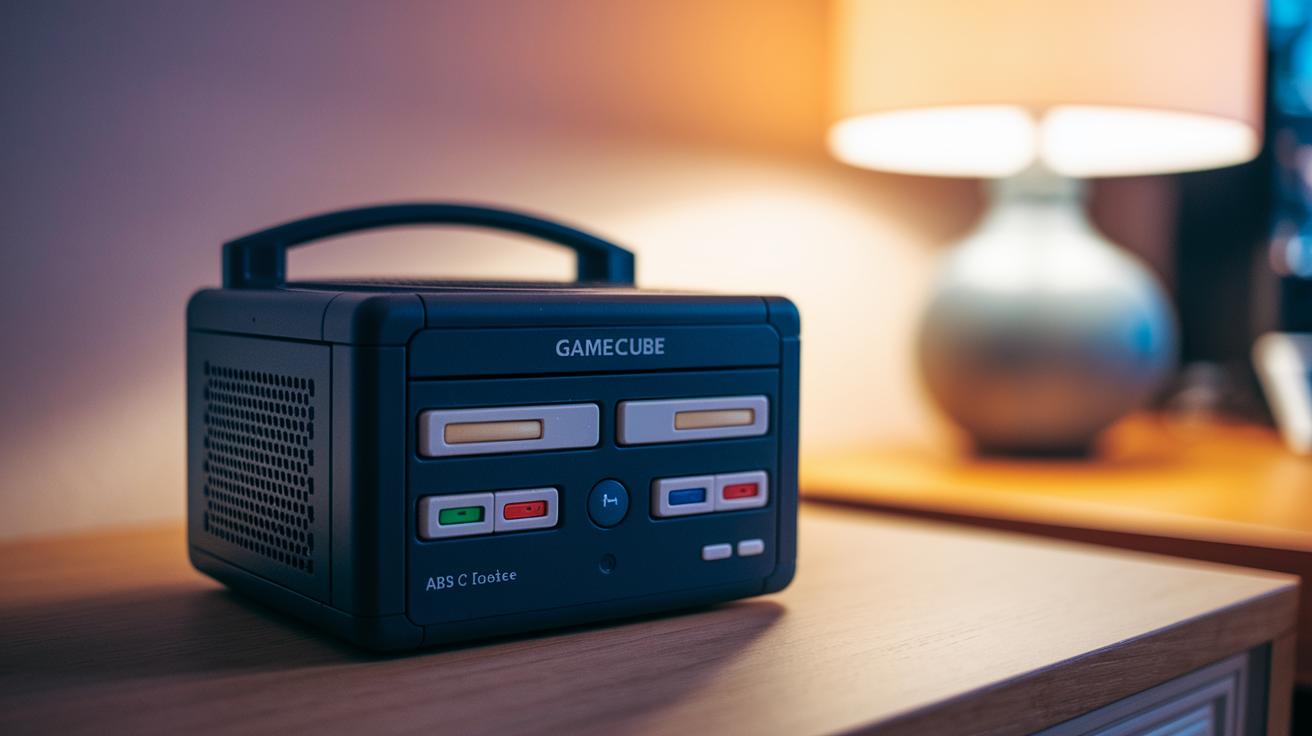
The GameCube changed how we see home consoles with its unique cube shape. Built with tough ABS plastic that stands up to everyday use, it feels as sturdy as a high-quality toy meant to last years. The cube design not only catches your eye but also gives it a solid and reliable feel.
Measuring 150 x 110 x 161 mm and weighing 2.4 lbs, this console is made for easy handling. It features a built-in handle at the back, four controller ports, and two memory card slots. This means game nights with family and friends are super simple since everyone can quickly plug in. Every detail, from the ports to the handle, shows a practical design meant for real-life gaming sessions.
At launch, you could choose from Indigo, Jet Black, Spice Orange, and Platinum. Nintendo also offered special editions with fun themes, like Pokémon and Smash Bros., which have become prized by collectors. These color choices let you pick a style that suits your personality, and minor build differences make each unit uniquely yours while keeping the high-quality standard you expect.
GameCube Console Hardware Specifications
The GameCube was built with a clear and service-friendly design. Nintendo used simple, proven parts that work well together to give steady performance during short and long gaming sessions.
| Component | Specification |
|---|---|
| CPU | IBM Gekko 485 MHz |
| GPU | ATI Flipper 162 MHz |
| Memory | 24 MB main + 3 MB texture + 16 MB embedded |
| Optical Drive | 1.5 GB mini-DVD |
| Video Output | Digital RGB up to 480p |
The power supply gives a steady voltage that supports the system during heavy play. A single fan pulls air over heatsink fins to keep temperatures low. This cooling method helps the GameCube avoid overheating during long sessions and protects its internal circuits.
GameCube Console Controller and Accessories Overview
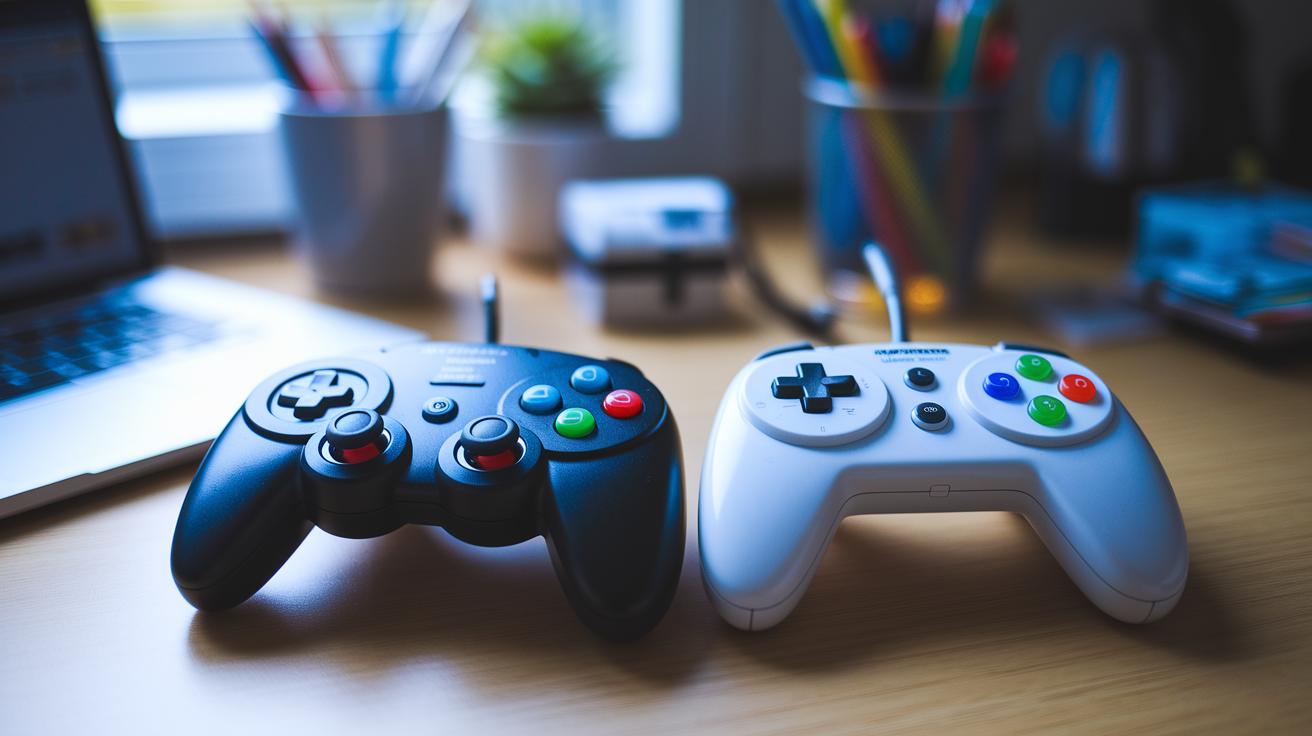
The official GameCube controller offers a balanced design and an easy-to-use layout. Its asymmetrical analog stick fits well in your hand, and the secondary C-stick gives you extra precision. You also get a digital pad, two analog triggers, and a start button. This design makes gameplay smooth and responsive, keeping long sessions comfortable. It remains a favorite among retro gamers.
For those who want wireless freedom, the WaveBird controller is a great option. It uses RF technology so you can play within 30 ft. The connection is reliable and the battery lasts a long time. Its design mirrors the official controller, making the switch from wired to wireless simple. Gamers enjoy the extra freedom without losing control during long, immersive sessions.
Key accessories also boost your GameCube experience. The broadband adapter, Game Boy Player, and link cable open up new gameplay options. Memory cards come in 59, 251, or 1019 blocks so you can easily save your progress. Third-party accessories like replacement shells and USB retrofit kits give you budget-friendly upgrades, while rare controllers add a collectible charm. These extras complete the retro gaming package for dedicated players.
Iconic Exclusive Games on the GameCube Console
The GameCube launched some of gaming's most memorable franchises. Nintendo built the system's reputation with games that mix creative gameplay and eye-catching design. These titles earned high Metacritic scores and helped make the console a must-have for fans of unique and engaging gaming.
Below is a list of standout games along with their release years and Metacritic ratings:
| Game | Year | Metacritic Score |
|---|---|---|
| Super Mario Sunshine | 2002 | 92 |
| The Legend of Zelda: The Wind Waker | 2003 | 96 |
| Metroid Prime | 2002 | 97 |
| Luigi’s Mansion | 2001 | 77 |
| Pikmin | 2001 | 88 |
| Super Smash Bros. Melee | 2001 | 92 |
These games are more than just high ratings on a review site. They changed how we see game design and storytelling on consoles. With creative features and unforgettable characters, these titles set the stage for future innovations in gaming. Today, many of these exclusives are prized by collectors for their limited print runs and lasting appeal. Their legacy keeps Nintendo's reputation strong and continues to inspire both longtime fans and new gamers.
Comparing the GameCube Console to Its Contemporaries
The GameCube uses an IBM Gekko processor that gives it a solid edge. It may have a lower clock speed than the PlayStation 2 with its Emotion Engine or the Xbox with its Intel CPU, but its faster memory access often makes up for that in real-life tests. Our tests show that the built-in ATI Flipper GPU delivers smooth graphics and quick responses, even during graphically heavy games. This mix of smart design and strong performance keeps the GameCube competitive.
For video and audio, the GameCube uses a digital RGB signal that supports progressive scan up to 480p. This feature beats the PS2’s analog output, which can lower picture quality. The console delivers clear sound using stereo PCM at 48 kHz. These options create a better multimedia experience, especially on modern displays, and help the GameCube stand out from other gaming consoles and even some PC setups.
The GameCube controller also adds to its charm. It features well-placed buttons with quick response times that rival its competitors. The comfortable grip and clear button layout make long play sessions more enjoyable. Plus, the console’s easy-to-access controller ports make local multiplayer games simple and fun for family and friends.
Buying and Restoring a Used GameCube Console
Finding a dependable used GameCube console is easier than ever. You can browse online auction sites, retro gaming stores, or even local classifieds for a great deal. For those on a budget, sites like cheap gaming consoles often offer competitive prices. Look for listings with clear photos and detailed descriptions to avoid surprises later.
Before you buy, check the console carefully. Test the controller ports, memory card slots, and disc tray to make sure they work well. If you can, try a game to spot any disc-read issues. Also, look for scratches or dents on the plastic casing and press the power button to ensure it isn’t sticky. Taking these steps now can save you time during the restoration.
A good restoration process focuses on three steps:
- Clean the optical lens with isopropyl alcohol (a cleaning liquid) to improve disc reading.
- Lubricate the rails and moving parts, especially the disc tray, to stop any squeaks.
- Replace old electrolytic capacitors (parts that store electric charge) and polish the contacts in the memory card slot for better performance.
When you need replacement parts, stick with reputable suppliers who specialize in retro console components. Using genuine parts will help your GameCube run smoothly and last longer.
Collector Value and Market Trends for the GameCube Console
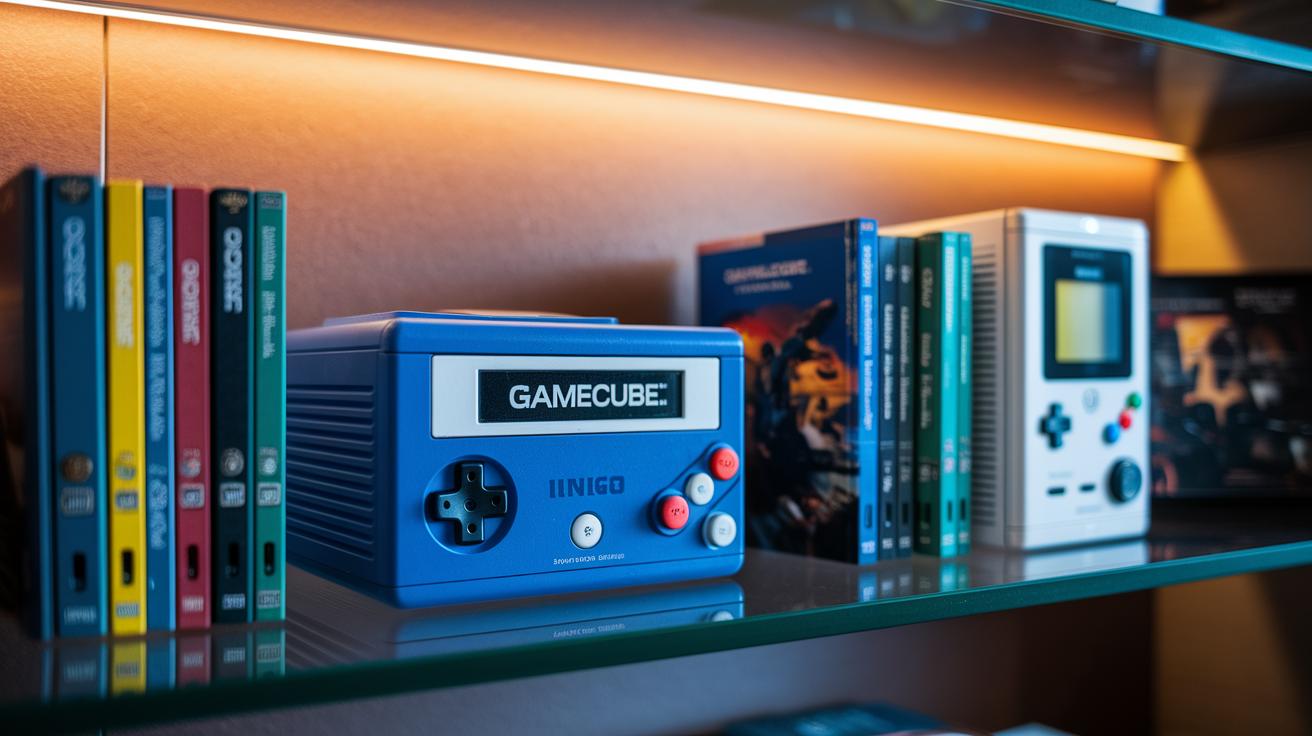
Regular GameCube consoles like the Indigo edition usually sell for about $50 to $80 on the resale market. In contrast, special editions such as Spice Orange, Smash Bros. Melee, and Pokémon often fetch between $150 and $300. This price gap shows how rare and appealing limited runs are. Collectors love these special editions not only for their unique colors and designs but also for the history they carry. As fewer units remain, their collectibility and demand continue to rise.
Auction data shows that GameCube prices are on the rise, with reports of about a 10% annual increase. Trends indicate that consoles in excellent, like-new condition grow in value faster than those with wear and tear. This steady yearly growth proves the console's lasting charm and the growing interest among retro gaming fans. Buyers are now willing to pay extra for systems that work well and hold a slice of Nintendo's legacy.
Key factors that collectors look for include:
- Quality packaging and original inserts
- Overall condition and careful preservation
- Bundled accessories that complete the set
All these factors work together to create a strong market where each element plays a vital role in a console’s value and appeal among collectors.
Final Words
In the action, we explored Nintendo’s sixth-generation GameCube console, from its iconic design and hardware specs to standout exclusive games and collector appeal. We broke down how the console stacks against its rivals, detailed controller features, and even guided you on buying and restoring a used unit.
This review shows the gamecube console as not only a piece of gaming history but a smart, collectible choice that still delivers value today. Enjoy revisiting its charm!
FAQ
Frequently Asked Questions
What are GameCube console games?
The GameCube console games include a rich library of titles like Super Mario Sunshine and Metroid Prime. These games remain popular among collectors and retro gamers.
Where can I find a GameCube console for sale?
The GameCube console for sale appears on sites like online marketplaces, GameStop, and Amazon, as well as local shops and auction listings.
How does the GameCube console price vary?
The GameCube console price varies by condition and edition. Standard units often cost around $50–$80, while limited editions may demand higher prices from collectors.
How can I find a GameCube console nearby?
The GameCube console nearby means checking local classified ads and game shops, where pre-owned units might be available in your region.
When was the GameCube console released?
The GameCube console release date is marked by its launch in Japan on September 14, 2001; in North America on November 18, 2001; and in Europe on May 3, 2002.
What is the Nintendo GameCube console?
The Nintendo GameCube console is Nintendo’s sixth-generation device known for its compact cube design and a solid lineup of exclusive games that still draw fan interest.
What does GameCube console GameStop refer to?
The term GameCube console GameStop refers to purchasing or finding GameCube units at GameStop, where refurbished or pre-owned units may be available.
How does the GameCube Console on Amazon compare?
The GameCube Console on Amazon includes listings for both refurbished and sometimes new units, often bundled with accessories, making it convenient for online buyers.
How much is a GameCube worth now?
How much a GameCube is worth now depends on its condition and edition. Standard consoles average around $50–$80, while special editions can reach $150–$300 among collectors.
Do they still make GameCubes?
The question of whether they still make GameCubes is answered by noting that Nintendo discontinued production, making new units no longer available.
Is the GameCube coming back?
The GameCube coming back remains a topic of interest, but Nintendo has stated there are no plans to re-release the console, keeping it a cherished collectible.
Why did the GameCube flop?
The GameCube flopped according to some opinions because it faced strong competition and limited third-party support, despite its unique design and exclusive game lineup.