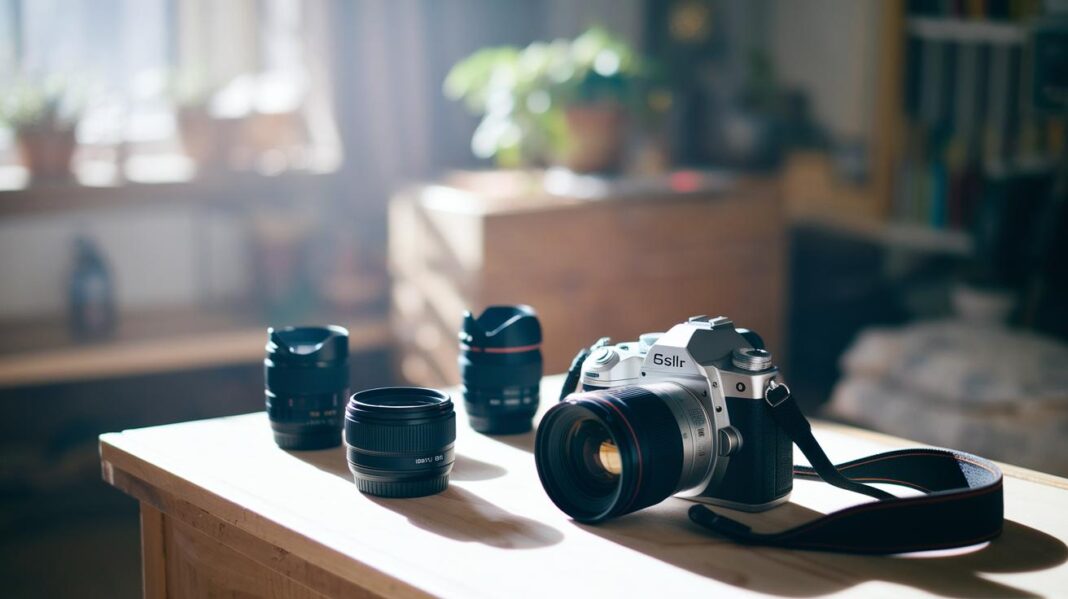
Have you ever wondered if one simple package could jump-start your photography skills? A DSLR camera kit includes a camera, lens, strap, and key accessories so you can start shooting right away. You save money by buying a kit instead of purchasing each item separately, and it comes with a strong manufacturer warranty. This kit works well for beginners and for those ready to try more advanced techniques. It lets you focus on taking great photos without any fuss.
DSLR Camera Kit: Perfect Choice for Enthusiasts
A DSLR camera kit gives you everything you need to start shooting right away. It usually includes a camera body, a flexible kit lens, a camera strap, and a few basic accessories. This package is ideal for beginners and hobbyists who want to dive into photography without buying each part separately.
- Complete out-of-box shooting capability
- Cost savings compared to buying components one by one
- Manufacturer warranty on every item
- Software tools for image recovery and RAW conversion
- Guaranteed compatibility among all parts
In some versions, especially in the UK, the kit comes with a CD for image recovery and a license for Capture One LE. This software makes handling RAW images simpler and helps you edit photos more smoothly. Many users also like that these kits work with older lenses, such as the 28-105 II USM from previous 35 mm models. This backward compatibility lets you experiment with legacy gear, keeping your older equipment useful.
With everything bundled together and covered by a manufacturer warranty, you can focus on taking great pictures without worrying about missing essential accessories or compatibility issues.
Comparing DSLR Camera Kit Models: Entry-Level vs. Enthusiast Bundles
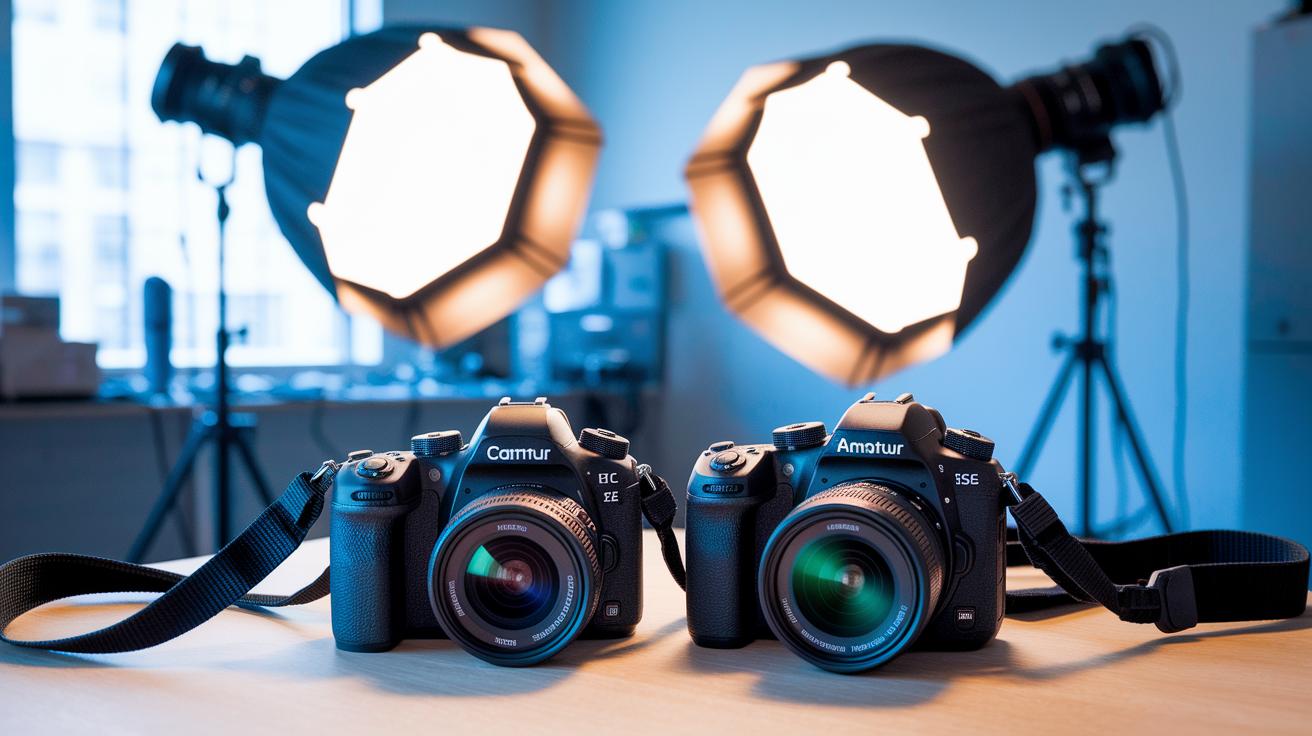
DSLR camera kits differ a lot based on sensor size, autofocus systems, and built-in software. Entry-level kits use simpler sensors and basic software, making them a friendly choice for beginners. In contrast, enthusiast bundles offer advanced autofocus systems and extra editing tools for those looking for more power.
Some kit lenses have a telephoto end with a maximum aperture of F6.3. This setting can challenge autofocus in low-light conditions. Many users suggest trying older lenses, like the 28-105 II USM, on modern camera bodies to see how sharp they are and how they handle.
Storage is another key point. Entry-level kits usually run with standard SD cards, but enthusiast models might need higher-capacity cards to manage larger RAW file sizes better.
| Model | Sensor | Lens Aperture | Included Software |
|---|---|---|---|
| Brand A Kit | 24 MP | F3.5-5.6 | Basic recovery software |
| Brand B Kit | 20 MP | F6.3 telephoto end | Recovery software & Capture One LE |
| Brand C Kit | 18 MP | F4-5.6 | Custom editing suite |
| Brand D Kit | 24 MP | F3.5-5.6 with legacy lens support | Manufacturer’s bundled tools |
Entry-level kits offer a budget-friendly way to get started but might push you to spend more on upgrades if you need better low-light performance. Their simpler lens apertures may slow autofocus speed and force you to use a higher ISO, which isn’t always ideal. Meanwhile, enthusiast kits cost more initially but give better image quality and come with software that eases RAW editing. Your choice should match your shooting habits and plans for future upgrades.
DSLR Camera Kit Components: Lenses, Accessories, and Software Breakdown
When you buy a DSLR kit, you get all the parts you need to start taking photos. It comes with the camera body and a kit lens that works well for many everyday shots. Along with these, you get a few simple accessories that let you shoot right away and leave room to upgrade your gear later.
- Camera body
- Kit zoom lens (covers a range of focal lengths)
- Battery and charger
- Neck strap and camera bag
- Basic lens cap and rear cap
- Software CD with image recovery tools
- USB cable and user manual
Adding a few extra items can make your shooting experience even better. Many photographers suggest keeping a spare battery to extend your shooting time. A sturdy holster case protects your camera when you’re traveling or shooting outdoors. A circular polarizer filter can boost color saturation and cut down on glare, giving your photos a livelier look.
The bundled software plays an important role, too. The tools on the CD help recover deleted images if you make a mistake. With a license for Capture One LE, you also get more advanced editing options for RAW photos than the basic in-camera apps. This upgrade makes it simpler to edit your shots and bring out the best in your images.
Together, these components and recommended add-ons form a complete package. They help you get started quickly while offering room to grow as you improve your photography skills.
DSLR Camera Kit Price and Value: Budget Bundles to Premium Sets
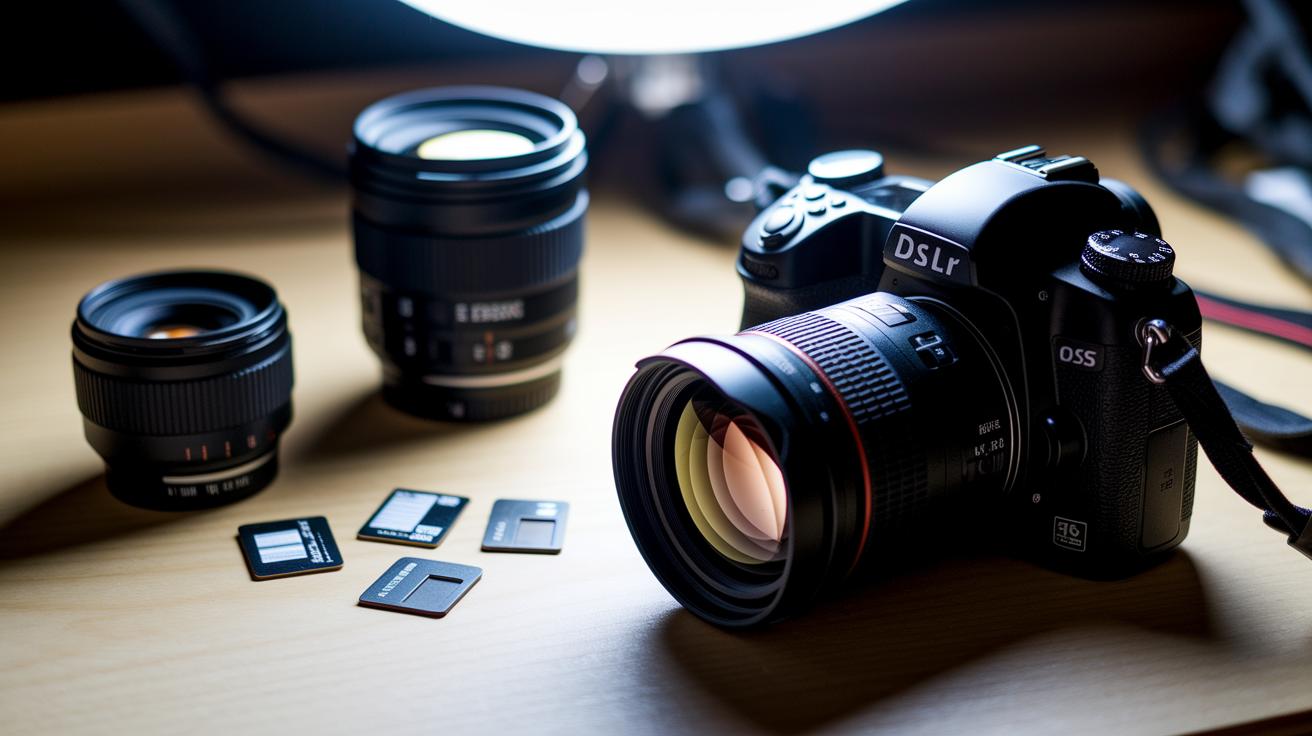
DSLR camera kits can cost around $500 for basic bundles and up to about $2,500 for high-end sets. The cheaper bundles give you all the essentials to start taking pictures, while the pricier options offer extra features and better performance.
Sometimes, telephoto kit lenses with an F6.3 maximum aperture may not work well in low light, which means you might have to buy a faster lens later. Also, storage options like high-capacity SD cards or microdrives can change the total cost.
Here are some key points to think about when weighing price against value:
- Lens and low-light performance: Cheaper lenses might struggle when light is low, so you may need to upgrade them.
- Software and extras: Kits that come with strong recovery tools and advanced RAW editing software give you more bang for your buck.
- Warranty and deals: Extended warranties and special promotions from retailers can make a kit a better buy.
- Future upgrade costs: Remember that accessories and new lenses could cost more down the road.
Choosing the right DSLR kit depends on how you like to shoot and what your future plans are. Beginners might find that a basic kit meets their needs without breaking the bank. But if you plan to grow and learn more, a premium kit with room to upgrade could be a smarter choice. Balancing your current budget with the cost of future upgrades is key.
DSLR Camera Kit Setup and Testing: Assembly, Focus Tests, and Workflow Tips
When you get your DSLR kit, open the box carefully and spread out all the parts. Check the camera and accessories for any signs of damage. Attaching the kit lens is simple and sets you up for a smooth shoot. These steps help you run a few basic tests and adjust your settings before you start taking serious pictures.
- Fully charge the battery and insert the memory card.
- Attach the kit lens and set the focal length to the middle position.
- Test the focus on a still subject by taking around 30 shots to check the autofocus.
- Run the image recovery software from the CD to make sure your data stays safe.
- Fine-tune the settings for ISO, aperture, and autofocus modes.
After finishing these steps, set up a basic RAW workflow using the provided software. This lets you see how the kit performs during real shooting and confirms that the recovery tools work well. Testing the storage speed with a 6 GB microdrive also makes sure your files are saved quickly and can be accessed during long photo sessions.
DSLR Camera Kit Maintenance: Data Recovery, Storage, and Care Essentials
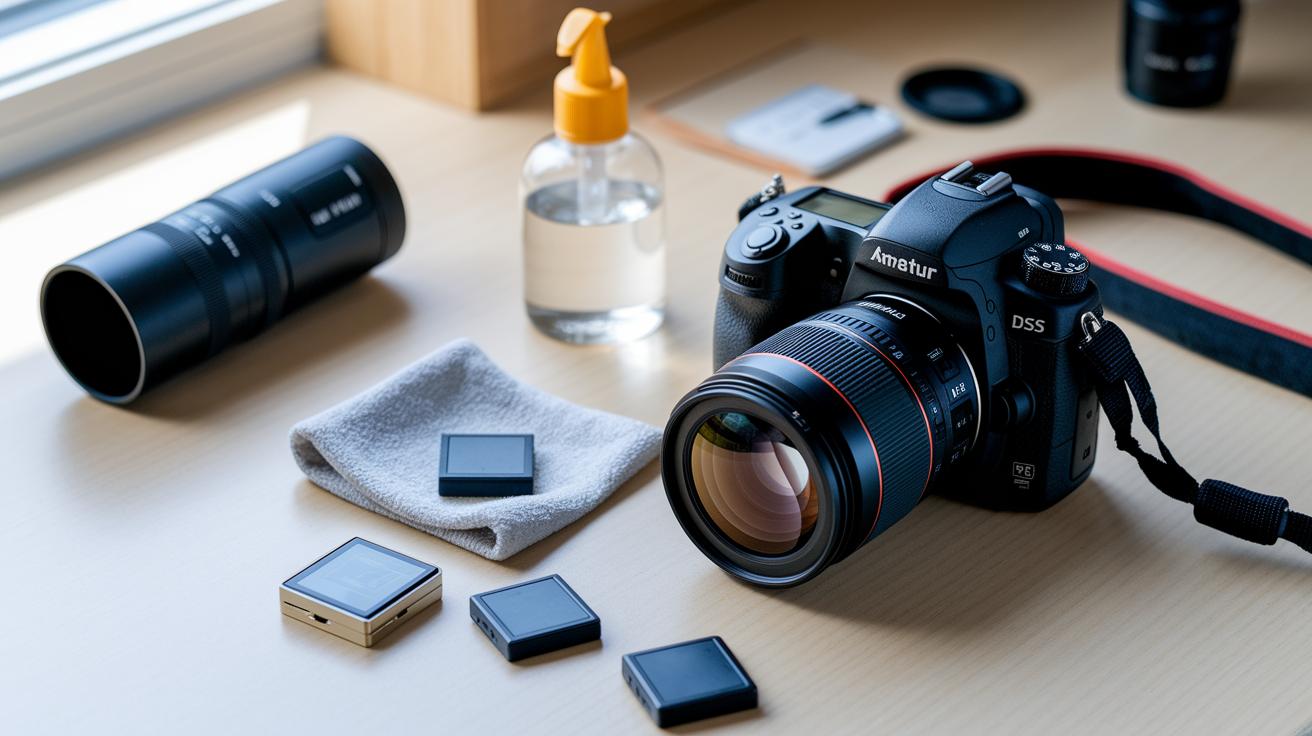
A well-kept DSLR camera kit keeps your photography passion alive. Backing up your data and having recovery tools in hand means you won't lose those precious images. For example, the UK version comes with a CD featuring image recovery software and soon a Capture One LE license to better protect your RAW files. Some photographers even use a 6 GB microdrive to handle big RAW files, which shows how important it is to check your storage regularly.
- Use sensor cleaning solution or an air blower to remove dust.
- Wipe lens surfaces with a microfiber cloth and lens cleaning fluid.
- Keep your gear in a protective case when you're not shooting.
- Rotate batteries and store them in a cool, dry place.
- Run the recovery software often to confirm file access.
- Update firmware and software bundles as soon as updates are available.
Regular care helps keep every part of your kit working smoothly. Scheduling check-ups at an authorized service center can catch issues early. This proactive routine gives you peace of mind and lets you focus on capturing your next great shot.
Final Words
In the action, this post took a close look at DSLR camera kits, from what they include and how they work to comparing different models, pricing builds, and proper care. We broke down key components like lenses, accessories, and bundled software, along with setup tests and maintenance tips to make your decision simple.
The guide shows that a well-rounded dslr camera kit can offer quality performance without the guesswork. Enjoy exploring your photography and take your skills to the next level!
FAQ
What is a DSLR camera kit for beginners?
A DSLR camera kit for beginners includes a camera body, kit lens, strap, and basic accessories that offer ready-to-use shooting capability and ease of use for those new to photography.
What are the benefits of buying a digital camera bundle package or camera kit bundle?
A camera bundle package provides complete out-of-the-box shooting capability, cost savings, manufacturer warranty, and bundled software tools for image recovery, ensuring all components work well together.
What options are available for DSLR camera kits on Amazon?
DSLR camera kits on Amazon offer a range of options from budget-friendly to premium sets, with bundles that include essential accessories and software, making them a favored choice for both beginners and enthusiasts.
What defines the best or inexpensive DSLR camera kits?
The best DSLR camera kits for beginners feature trusted models with cost-effective components, bundled accessories, and manufacturer warranty, while inexpensive kits still provide the essential gear to start shooting effectively.
Why are DSLRs being discontinued?
The trend of discontinuing DSLRs comes from the rising popularity of mirrorless cameras, which are lighter and offer advanced features, though DSLRs continue to be a reliable option for many traditional photographers.
Is it still worth buying a DSLR?
Buying a DSLR remains worth it for those who prefer reliable performance, robust battery life, and a familiar shooting experience, making them a solid choice for both beginners and experienced photographers.
Which DSLR is good for beginners?
Cameras such as the Nikon D3500 and Canon EOS Rebel T7 are excellent for beginners due to their user-friendly features, good image quality, and affordable price points that ease the learning curve in photography.
What camera do most OnlyFans creators use?
Many OnlyFans creators choose high-quality DSLRs or mirrorless cameras to capture crisp images and videos, selecting models that balance performance with ease of use based on their content needs.
What DSLR models are frequently included in popular camera bundles?
Popular camera bundles often feature models like the Canon EOS Rebel T7, Canon EOS 2000D, Nikon D3500, Canon EOS R7, and Canon EOS R50, offering varied features to suit a range of photography styles.