Have you ever been deep into a gaming session when your console suddenly stops working? This guide cuts through repair confusion and offers quick fixes you can trust. We list emergency repair options available at trusted centers and share clear, step-by-step tips for fixing issues on your own. Whether you need a fast professional repair or a hands-on DIY solution, this advice is designed to get you back to gaming quickly and reliably.
Professional and DIY Game Console Repair Solutions
Gamers have two clear repair paths. If you need a quick fix, authorized service centers offer emergency repairs that can be done in just 24 hours. This option is perfect if your console stops working in the middle of a game. On the other hand, you can choose scheduled repair services. These take a bit longer but give you a detailed check-up and a repair plan tailored to your console's issues.
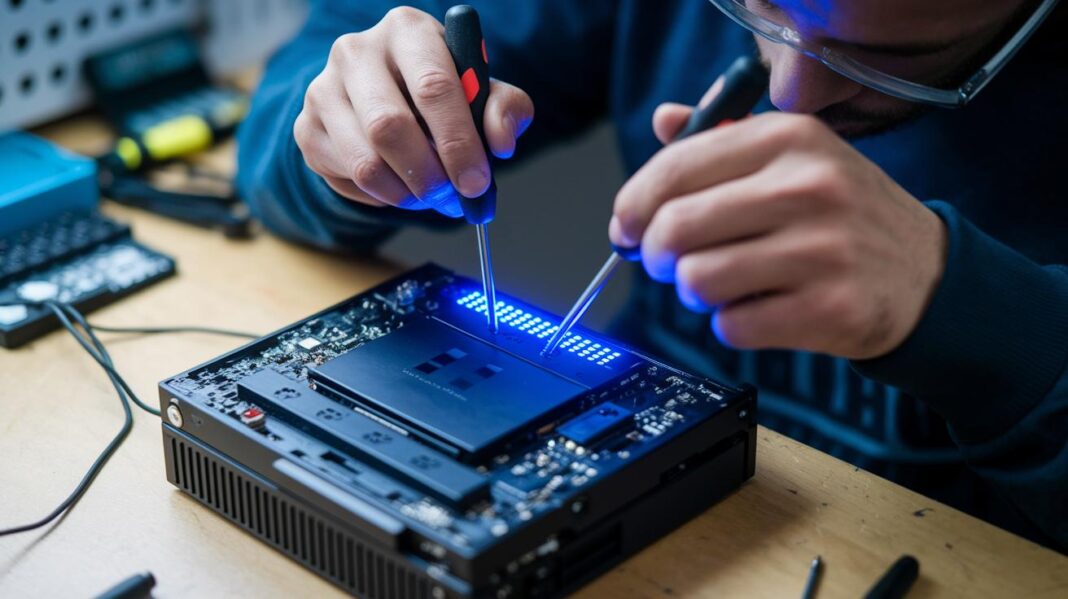
For those who like to handle repairs on their own, there are complete disassembly and installation guides for every console dating back to 1986. These guides break down common problems on modern systems as well as fixes for older, retro units. Whether you have a prebuilt console or a portable one from the Handheld Game Consoles series, the guides offer clear, step-by-step instructions. You can also check the List of Video Game Consoles for the right model details.
Forums add another helpful layer of support. The community is active and quick to answer technical questions, recently, they addressed all eight repair queries posted in one day. You can get extra tips and share experiences with fellow gamers. Plus, free shipping on parts orders over $100 in the US or over €65 in the EU makes it even easier to get the parts you need. This mix of professional service and DIY help gives you many options to get your game console back in action.
Identifying and Troubleshooting Common Console Faults

If your console acts up, a quick check can save you a lot of hassle and money. Many symptoms point to simple fixes you can handle on your own. For instance, a red flashing light might just mean a power issue rather than a big hardware failure. Some problems, like a controller that won’t sync, are solved with an easy reset, while a blue power indicator could hint at internal issues that need a pro's attention. We have organized repair tips by group, Microsoft, Nintendo, Sega, Sony, Steam, retro consoles, controllers, and handhelds, so you know exactly which guide to follow.
Here are six common issues and their quick fixes:
- Red flashing lights: Power cycle the device and clean the ports.
- No video output: Check your HDMI cable and confirm the TV input.
- Blue power indicator only: Inspect the internal fuse or power board.
- Controller sync failures: Reset the controller and pair it again.
- Overheating shutdowns: Clear the air vents and replace the thermal paste.
- Dock charging issues: Try a different power adapter.
If these quick fixes do not solve your issue, a professional diagnosis may be needed to uncover deeper hardware problems.
Game console repair: Quick and Reliable Fixes
Before you try to fix your console on your own, follow these safety steps. Unplug your console and make sure there is no leftover power before using any tools. Set up a safe space with an anti-static mat, and wear an anti-static wrist strap to keep you grounded.
When you are ready to work on your console, check the manufacturer's disassembly guide for your model. Use the right diagnostic tools for game devices to avoid any extra damage. Use only the tools you really need for each repair.
| Tool | Primary Use |
|---|---|
| Phillips #0 | Removing case screws |
| Torx T8 | Accessing internal fasteners |
| Spudger | Prying open casing |
| Tweezers | Component handling |
| Anti-static wrist strap | Grounding operator |
Before opening the console, follow these key steps:
- Unplug the console and wait 10 seconds.
- Ground your work area on an ESD mat.
- Label screw locations accurately.
- Wear safety glasses.
- Keep small parts organized in a tray.
Following these steps helps you repair your console safely and reduces the chance of harming its sensitive parts. Use this guide to get quick and reliable fixes while keeping both you and your device safe.
Professional Game Console Service Centers: Pricing, Turnaround, and Warranty
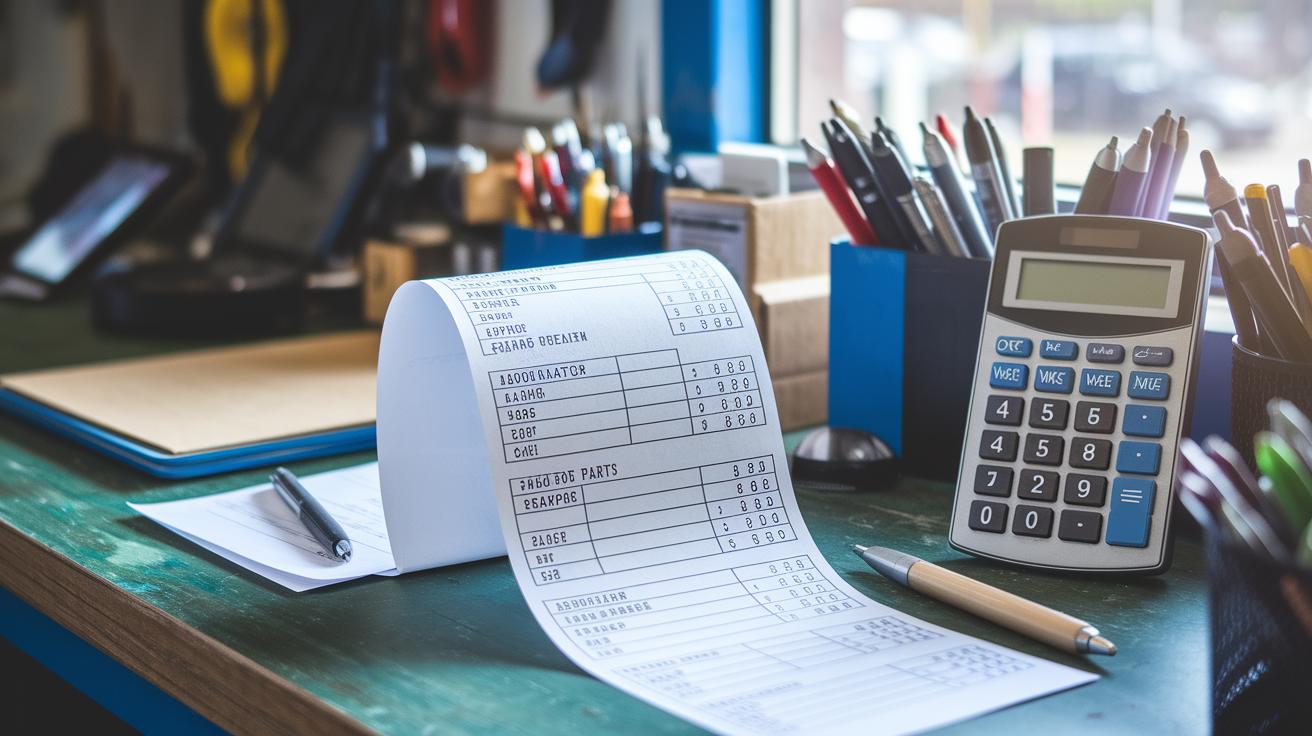
At many repair centers, the cost of labor is kept separate from the price of parts. The labor fee covers technician time and a diagnostic check and can be a flat rate or based on how tricky the repair is. Parts can cost as little as $0.99 for small TPU items (like protective covers) and up to $51.99 for detailed display-case components. This clear breakdown shows you exactly what you are paying for.
In the US, authorized centers offer free shipping on repair orders over $100. In the EU, free shipping kicks in when you order over €65. These shipping deals help lower extra costs and make investing in quality repairs more attractive.
Repair times vary based on how urgent the service is. Emergency fixes usually get done in 24 hours, which is perfect for gamers who can’t wait. Scheduled repairs might take a little longer, but they include a full device check and a clear repair plan to address every issue.
Every repair comes with a 90-day warranty that covers both the work and any replaced parts. This warranty means that if a problem reappears, you won’t have to pay more. It’s a good idea to ask about labor fees, parts markup, and any service charges before you agree to the repair. This way, you avoid any hidden costs.
Clear cost details and open warranties make professional game console repairs a smart choice for all gamers. Trustworthy centers give honest estimates and handle repairs well so your console is back in action quickly and safely.
Sourcing Replacement Parts for Game Console Repairs
When fixing your game console, using the correct parts is key to a smooth repair. You might need items like controller boards (for example, RC397HM and RC897T), prebuilt console modules, protective cases, flash cards, accessory bundles, display cases, and even gift cards. Always check that the part number matches your console’s model. Look for clear instructions and datasheets from the seller to make sure the part fits your device. Reading reviews can also help you decide between genuine parts and aftermarket options.
Shipping and return policies are important too. Many sellers ship parts in just a few business days, and some even offer free shipping on larger orders. Most vendors allow returns within 14 days if the part is faulty or does not meet your console’s needs. Keep the original packaging and follow the seller’s return guidelines closely. This way, you can repair your console without any hassle and feel confident about the parts you choose.
Routine Maintenance and Preventative Care for Consoles and Controllers

Taking care of your console and controllers keeps them running smoothly for a long time. One of the easiest tasks is to blow out the vents using a can of compressed air. This simple step removes dust and debris that can build up inside and cause the device to overheat. Keeping your console cool not only protects the inner parts but also helps it last longer. A clean console also lets you see the manufacturer's logo and any care instructions printed on the design.
- Use compressed air to clear vents
- Check HDMI and power ports for any blockages
- Calibrate controller sticks to fix drifting issues
- Update system and firmware regularly
Console Service Reviews, Ratings, and Customer Testimonials
User reviews keep proving our repair centers are reliable. Recent feedback shows our service centers fix consoles quickly and keep you in the loop.
- Fast turnaround: One reviewer said, "My console was fixed and back in action in record time, just when I needed it most."
- Clear communication: A customer shared, "I got timely updates throughout the repair process, so I always knew what was happening."
- Hassle-free warranty support: Another user mentioned, "The warranty support worked smoothly, easing any worries about extra costs."
Final Words
In the action, we broke down the full scope of game console repair options. We walked through DIY repair guides, essential tool lists, fault troubleshooting, sourcing parts, routine maintenance, and service center choices.
This post offers clear insights into choosing between at-home fixes and professional help while highlighting turnaround times, warranties, and real-world trade-offs. Every tip aims to boost your confidence to make a smart, low-risk purchase decision. Enjoy the peace of mind that comes with a smart game console repair process.