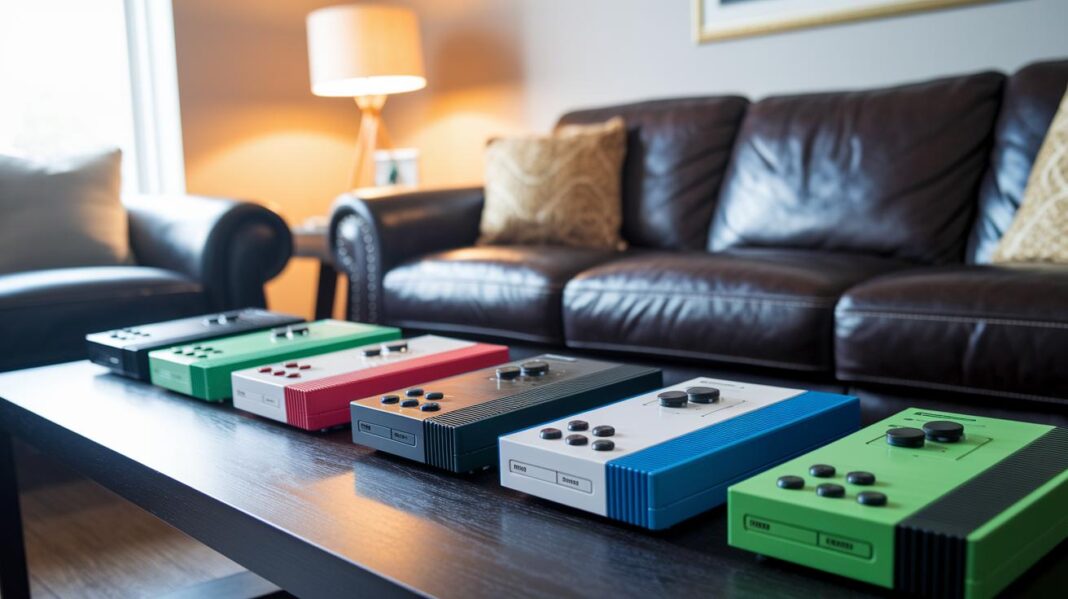
Are classic game consoles still better than today's gaming systems? Early consoles were simple boxes that brought endless fun. Over time, they evolved into modern machines like the PlayStation 5. Each console has its own story and helped change the way we play at home. These breakthroughs paved the way for the rich gaming experiences we have now. Discover how these timeless machines built the foundation of our gaming history.
Comprehensive List of Video Game Consoles: A Chronological Overview
Video game consoles have come a long way. They began as simple boxes that played basic Pong-like games in 1972. Over time, each new generation brought changes that made gaming richer and more engaging. Early consoles used simple printed circuit boards, while later ones switched to cartridges you could swap out. In the mid-1980s, standout titles helped revive video gaming and pushed the move toward better graphics and gameplay. Today's systems offer ultra-fast SSDs, clear 4K resolution at 60 FPS, and smart network features that improve your home play.
Each console generation tells a part of this story. The table below highlights a key console, its release year, and the feature that made it special. This timeline shows the shift from basic hardware to systems that mix gaming with other forms of media, setting new standards for what home entertainment can be.
| Generation | Key Console | Release Year | Highlighted Feature |
|---|---|---|---|
| First Generation | Magnavox Odyssey | 1972 | Pioneered home gaming with removable boards |
| Second Generation | Fairchild Channel F | 1976 | Introduced interchangeable ROM cartridges |
| Third Generation | Atari 2600 | 1977 | Popularized game cartridges for arcade ports |
| Fourth Generation | Nintendo Entertainment System | 1985 | Revived a lagging market with iconic titles |
| Fifth Generation | PlayStation 5 | 2020 | Ultra-fast SSDs and immersive 4K gaming |
This timeline captures major milestones that shaped home gaming from simple beginnings in the 1970s to today’s high-tech consoles that blend gaming with multimedia.
Pioneer Home Platforms: First-Generation Video Game Consoles
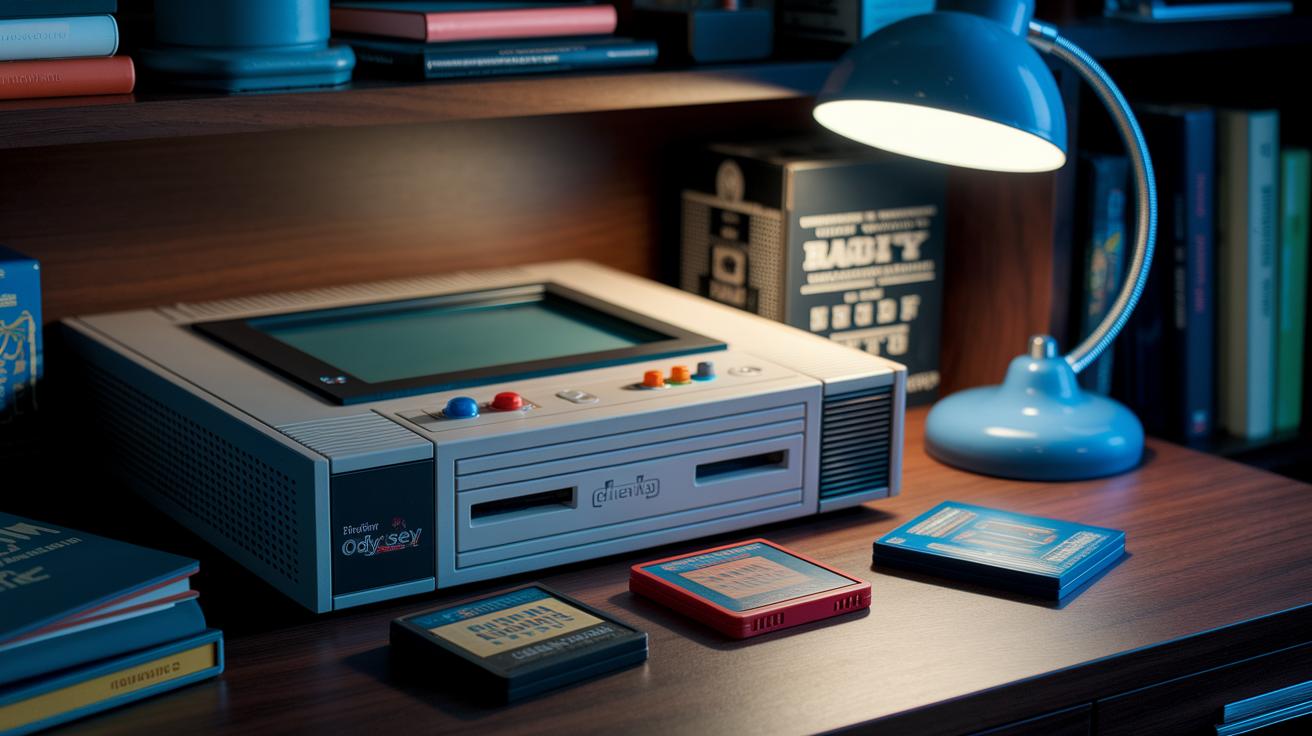
The Magnavox Odyssey came out in 1972 and is known as the first home console. It used removable circuit boards to switch games. This simple design helped open the door for home gaming experiments.
The Fairchild Channel F followed in 1976 and was the first to use interchangeable ROM cartridges. Players could change games without needing a whole new system. Its fresh design set trends for future consoles.
Coleco Telstar appeared in 1976 as a basic, easy-to-use gaming device. In 1978, the Bally/Midway Astrocade hit the market with a Z80 processor and even allowed BASIC programming (a simple coding language). These systems began to explore better processing and more interactive play.
The Atari VCS 2600, released in 1977, became a classic by bringing popular arcade games into the home. Then, in 1979, the Intellivision offered sharper graphics and smoother gameplay. Both consoles raised the bar for what gamers expected.
Features of these early consoles include:
- Removable circuit boards
- Interchangeable ROM cartridges
- Use of Z80 processors
- Support for BASIC programming
- Enhanced graphics and gameplay features
The Rise of the 8-Bit and 16-Bit Video Game Consoles
Classic home consoles changed the face of gaming. The Nintendo Entertainment System (NES) burst back onto the US scene in 1985 with Super Mario Bros., making home gaming exciting again. Consoles like the ColecoVision (1982) and the Sega Master System (1986) brought arcade-level graphics into living rooms. They set the stage for better game designs and future technology.
Handheld gaming also made a big entrance. The Game Boy, launched in 1989, brought Tetris to life and let players enjoy games anywhere. In the same year, Atari introduced the Lynx, the first color-screen handheld system with network play. Both systems brought flexibility and new ways to enjoy games outside the home.
As game libraries grew, games became more detailed and colorful. Next came the 16-bit era with consoles like the Sega Genesis/Mega Drive (1988-89) and the NEC TurboGrafx-16 (1989). Characters like Sonic the Hedgehog quickly became favorites. This new generation of consoles not only boosted hardware performance but also gave birth to franchises that many still love today.
- Super Mario Bros.
- Sonic the Hedgehog
- The Legend of Zelda
- Metroid
- Castlevania
- Mega Man
Transitional and Next-Generation Video Game Consoles: 32-Bit to 128-Bit Systems
CD-ROM & 3D Emergence
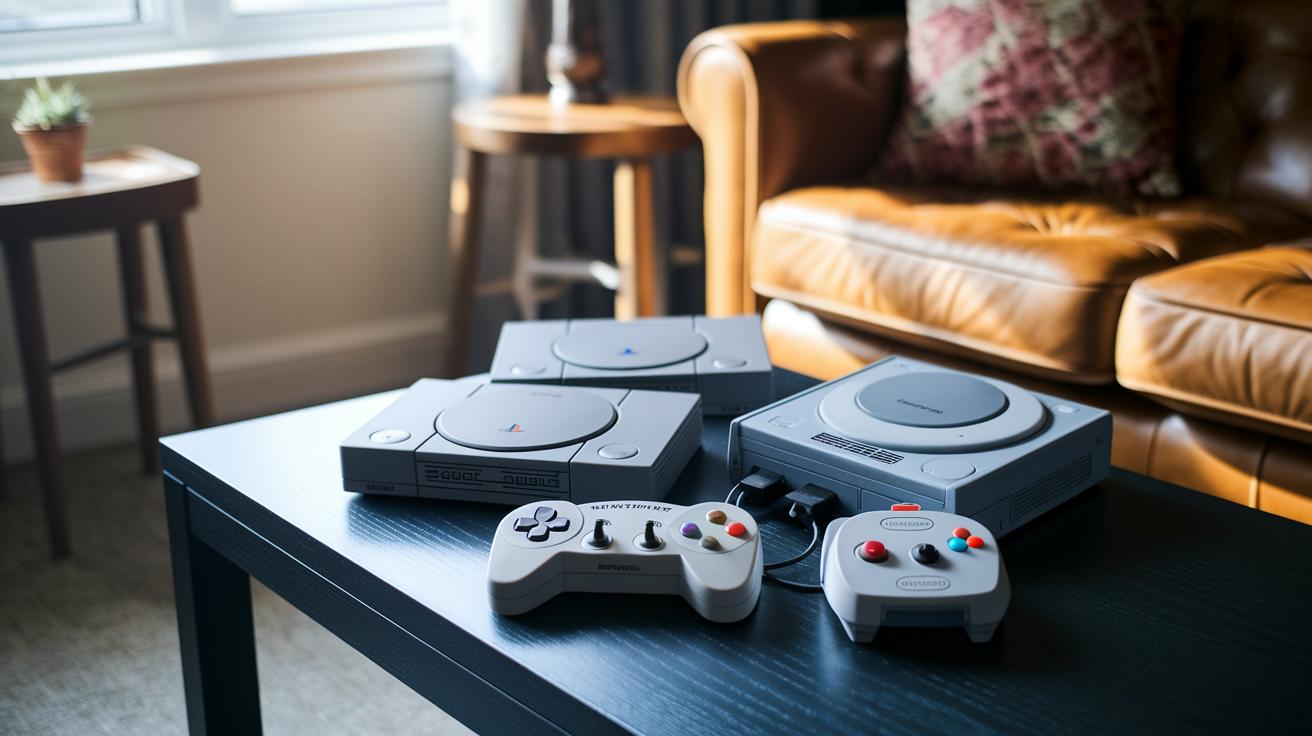
The Sony PlayStation (1994) and the Sega Saturn (1994) changed gaming by using CD-ROMs and offering simple 3D effects. The PlayStation sold over 100 million units and pushed game makers to use better media formats.
These consoles opened the door to richer gaming. With CD-ROM support, developers could add high-quality sound and video, raising the bar for game visuals and interactive stories.
Cartridge vs Disc Debate
The Nintendo 64 (1996) stuck with the cartridge format, which meant fast load times and smooth play in games like Super Mario 64. Cartridges let players access game data quickly during intense sessions.
Disc-based systems, however, offered much larger storage. This extra space allowed for more detailed graphics and sound effects, creating larger and more immersive gaming worlds.
Online & Modem Integration
The Sega Dreamcast (1999) was a pioneer by including a built-in modem. Its online play brought network gaming into the spotlight, while its VGA output made images clearer on high-resolution screens.
This change moved gaming away from isolated play toward connected experiences. The Dreamcast’s online features set the stage for later consoles to offer social gaming and digital content sharing.
HD Graphics & Multimedia
The PlayStation 2 (2000) became very popular in part because it played DVDs, which turned it into a multimedia device beyond just games. Its broad game library showed how well multimedia could work in one system.
Later, the Xbox (2001) used a PC-like design, and the Xbox 360 (2005) led the shift to HD gaming. Both of these consoles raised the standard for graphics and overall home entertainment.
Portable, Hybrid, and Modern Video Game Consoles: From PSP to PS5
Handheld gaming lets you play wherever you are. In 2004, the Nintendo DS set a high standard by bringing dual screens, touch controls, and built-in Wi-Fi to the table. That same year, the PSP made its debut with features like multimedia support and online play that kept game quality high on a small screen. Later, devices such as the DS Lite (2006) and the DSi (2008) enhanced this experience with better hardware and integrated cameras. Then came the PlayStation Vita in 2011, with its OLED display and dual analog sticks, offering a gaming experience that felt much like a home console.
Today, the best devices blend portable and home gaming into one. The Nintendo Switch (2017) and its updated versions, including the Switch Lite (2019) and Switch OLED (2021), work well both docked and on the go. At the same time, ninth-generation systems like the PS5 and Xbox Series X/S (2020) deliver high-performance gameplay with ultra-fast storage and crisp graphics. The Steam Deck (2021) adds another twist by combining the power of a PC with the ease of a portable design.
- Nintendo Switch: A hybrid console that works seamlessly in docked and handheld modes
- PS5: A ninth-generation system with an ultra-fast SSD and improved gameplay features
- Xbox Series X: Offers 4K resolution and strong graphics performance
- Steam Deck: Combines PC gaming power with flexible controls and a large game library
Final Words
In the action, we traced the evolution from pioneer devices like the Magnavox Odyssey to hybrid systems like the Switch and next-gen console breakthroughs. We highlighted trends from retro hardware to modern innovations in video game consoles. This guide provides a clear, practical timeline, from simple graphics to 4K, SSD speeds and handheld performance. We hope the recap helps you quickly grasp key milestones and pick up useful insights. Enjoy celebrating gaming history and exploring the mix of nostalgia with modern play.
FAQ
What does the video game console timeline from 1967 to 2022/2023 show?
The video game console timeline shows the evolution of gaming from simple early systems to modern hybrid devices, marking major milestones and shifts in technology over several decades.
What are all gaming consoles in order by year?
Listing all gaming consoles in order by year arranges devices from early pioneers like the Magnavox Odyssey to current systems like the PS5, highlighting key technological advances along the way.
How many video game consoles are there?
The record of video game consoles includes dozens of models across home and portable categories, spanning numerous generations from the early experiments of the 1960s to today’s advanced systems.
What are the top 10 best selling gaming consoles?
The top 10 best selling gaming consoles are market leaders known for high unit sales and lasting popularity, including systems like the PlayStation 2 and Nintendo DS, celebrated for their broad appeal.
What are the top 5 gaming consoles?
The top 5 gaming consoles refer to highly rated devices based on performance, features, and sales, with popular models often featuring standout systems like the PlayStation 5, Xbox Series X, and Nintendo Switch.