Ever wonder why classic gaming consoles still charm us today? They may seem like relics, but they gave birth to modern gaming. Consoles such as the original Atari and Nintendo Game Boy remind us of a time when games were simple and fun. This post explains how retro systems helped shape our gaming culture and why they still thrill both gamers and collectors. With unique hardware quirks and enduring game libraries, these devices show that sometimes, less really is more.
Retro Gaming Consoles: Timeless Thrills Await
Retro gaming consoles are more than old machines. They are cultural icons that show us how gaming began. In the 1970s, simple single-game devices set the stage for today's wide range of consoles. Their basic design and limited features have grown into a legacy that modern gamers appreciate for play and preservation. For example, systems like the original Atari and early handhelds remind us of a time when fun mattered more than fancy graphics.
Handheld consoles such as Nintendo’s Game Boy (1989) and Sega’s Game Gear (1990) brought portable gaming to the masses. Classic systems like the NES (1983), SNES (1990), and Sega Genesis (1988) built memorable game libraries that still captivate players. Revivals like the NES Classic and SNES Classic sold in large numbers, and with modern consoles like the Nintendo Switch on the market, the love for classic gaming stays strong.
- Authentic retro game libraries
- Unique controller feel and hardware quirks
- Vibrant community and trading culture
- Support for modern reissues and replicas
Collectors value these consoles not just as toys but as real pieces of gaming history. Many look for models with original packaging and genuine components for display or play, driven by strong community ties and active trading. Whether you are preserving a slice of the past or enjoying a rush of nostalgia, retro gaming consoles continue to captivate both collectors and casual gamers.
Timeline Of Retro Console Evolution: From Pong To 16-Bit Icons
In 1972, Pong and similar single-game consoles made their debut. These early units showed simple graphics and limited gameplay, yet they captured players' interest and set the stage for home entertainment.
Between 1983 and 1985, the Nintendo Famicom launched in Japan. Soon after, it arrived in North America as the NES. Its strong game collection and fun play revived a market that had nearly collapsed and brought excitement back to living rooms.
The late 1980s brought 8-bit battles with systems like the Sega Master System and the Atari 7800 fighting for players. In the early 1990s, the industry moved into a 16-bit era. The SNES (released in Japan in 1990 and in North America in 1991) and the Sega Genesis (debuted worldwide in 1988) offered richer graphics, clearer soundtracks, and more complex games that raised the bar for interactive entertainment.
Portable gaming took off with the launch of the Game Boy in 1989 and the Game Gear in 1990. Their small size and easy controls brought games to people wherever they went. This breakthrough influenced today’s handheld devices and broadened the console market for many players.
Top Retro Gaming Consoles For Collectors
Collectors who love gaming history search for retro consoles that mix classic looks with modern perks like HDMI and high-definition displays. The Nintendo Entertainment System Classic gives you a true 8-bit lineup, and the Super Nintendo Entertainment System Classic delivers a real 16-bit feel complete with classic menu music by Yuzo Koshiro. Other consoles, such as the Atari 2600+ and the Analogue 3D, keep the original gameplay spirit while meeting today's screen standards. Each system carries its own charm to suit different tastes, available space, and budget limits.
| Model | Release Year | Signature Feature |
|---|---|---|
| NES Classic | 2016 | Faithful 8-bit library with HDMI output |
| SNES Classic | 2017 | Authentic 16-bit experience with original menu music |
| Sega Genesis/Mega Drive Mini | 2019 | Accurate packaging and classic Sonic gameplay |
| Atari 2600+ | 2019 | Genuine cartridge compatibility and HDMI support |
| Super Pocket | 2022 | Budget-friendly handheld with Evercade cartridges |
| Analogue 3D | 2023 | FPGA-based N64 clone with 4K visuals |
Choosing the right console comes down to how much room you have, your budget, and which gaming era you want to relive. Budget-conscious fans might prefer the Super Pocket, which offers a fun, cost-effective way to enjoy retro games. Meanwhile, the Analogue 3D stands out as a high-end choice for those seeking an ultra-clear N64 experience. Whether you lean toward a compact handheld or a full home setup, each console here is a unique slice of gaming history that adds real value to any collection.
Retro Console Buying Guide: Pricing, Condition, And Value
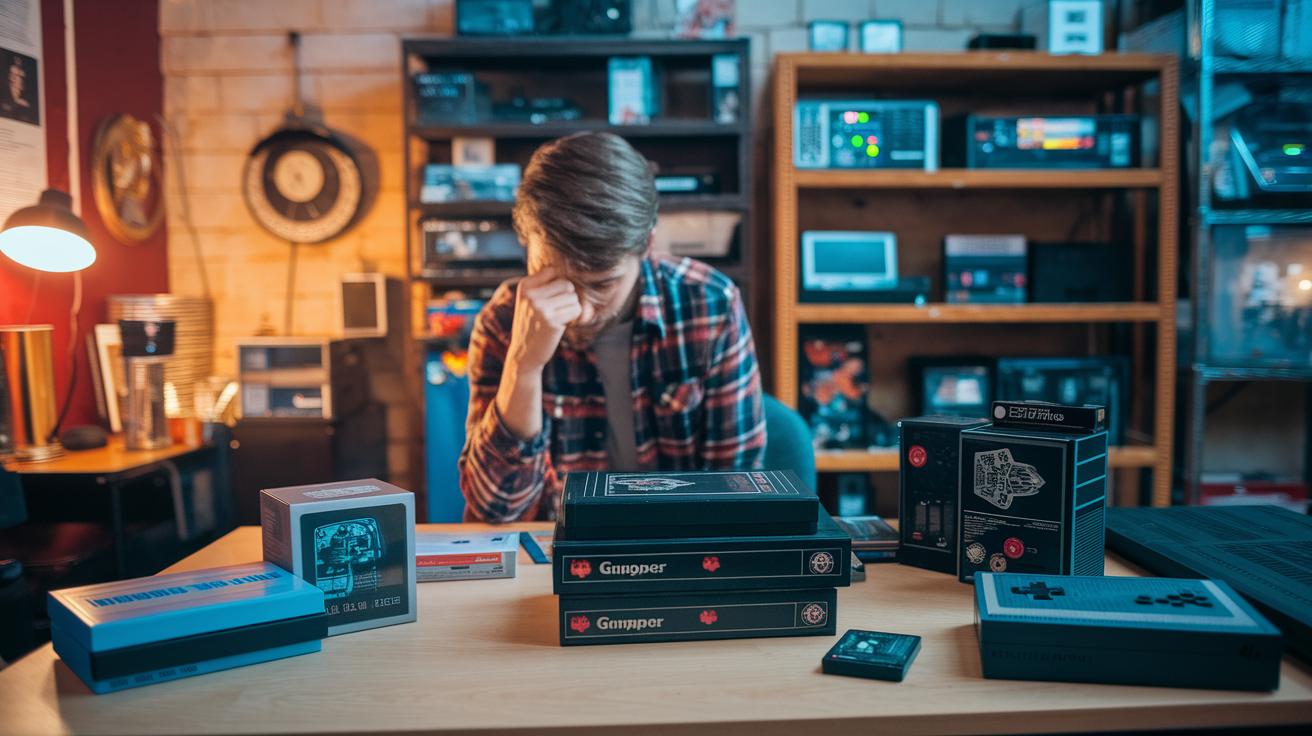
When you start looking for classic gaming consoles, you'll see a wide range of prices. Budget models like the Super Pocket come in for under $60, which makes them a smart choice if you're just getting into retro gaming. In contrast, replica systems such as the Atari 2600+ can cost more because they offer added features like HDMI output and wood-grain details. The mini editions, like the NES Classic and SNES Classic, were priced around $80–$100 when they were new and can now go for over $120 if they are used. Original cartridge-based systems also vary, with loose cartridges costing less than $10 and sealed kits ranging from $50 to $200.
It is important to check a console’s authenticity before you buy it. Look for serial numbers and FCC labels, which are simple ways to make sure the item is real. Genuine consoles not only give you better quality but also help keep their value if you ever decide to sell them. Always check for proper documentation and packaging that confirms the console’s origin and condition.
Choosing between a replica and an original console means weighing different pros and cons. Replicas are built with modern tech in mind and usually cost between $50 and $300, depending on how well they are made and the performance of their FPGA (a chip that mimics original hardware). Originals stand out due to their history and charm even though they might show signs of wear or be missing parts. Replicas offer a stable play experience, while originals might need fixing or restoration work.
For trustworthy seller recommendations, try online auctions or stores that specialize in vintage games. These outlets often provide detailed information about the console’s condition and include buyer feedback. This helps you make a choice that fits your budget and desire for authenticity.
Maintaining And Restoring Vintage Gaming Consoles
Old gaming consoles are loved by many collectors, but they can start to break down over time. Dust, dirt, and natural wear can hurt parts like edge connectors and power supplies. When these parts wear out, you might notice unresponsive controls, unstable power, and weak video signals on new TVs. This is why careful upkeep is essential to keep classic consoles running smoothly.
Begin by checking the physical connections and power components. Unplug the console and open it gently. Use isopropyl alcohol and a soft brush to clean the edge connectors. For example, we cleaned the NES connectors to remove built-up grime with a gentle brush. Next, inspect the power board. Faulty capacitors are common in older consoles, so replace them to fix power issues. Always use genuine parts because counterfeit ones can cause more damage.
Upgrading the video output is key for modern TV compatibility. Install an OSSC or RetroTINK upscaler along with an HDMI adapter to get clear visuals on today’s displays. This upgrade not only improves picture quality but also preserves the classic gaming feel, making it easier to enjoy retro titles on current technology.
Market Trends In Vintage Gaming Consoles
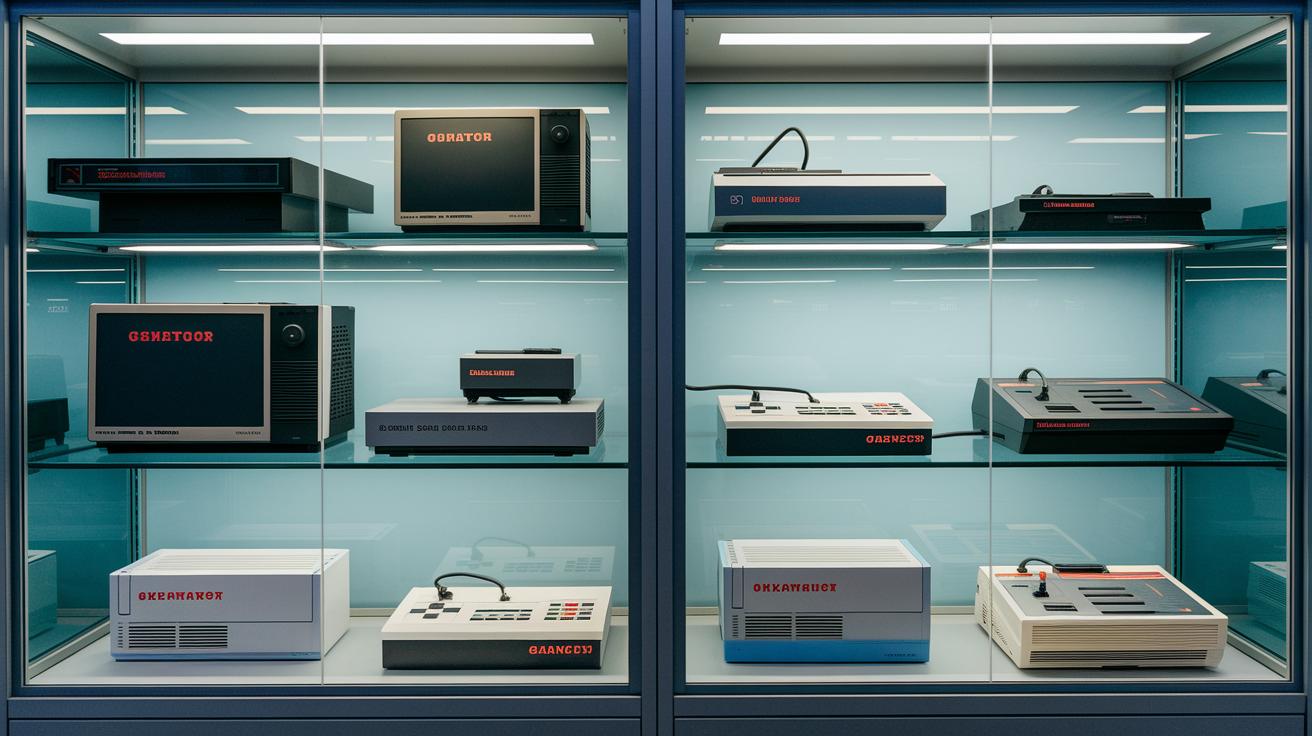
Collectors and resellers keep vintage gaming consoles in steady demand. Outlets like DKOldies offer restored consoles with a one-year warranty and free domestic shipping on orders over $20. This kind of support builds trust and makes it easier for buyers to jump into the classic gaming scene. Fans still love to relive gaming history even as new consoles hit the market.
Auction sites such as eBay are now key places to trade sealed consoles and complete-in-box items. Sealed units often sell for over $300, while consoles without their original packaging usually go for between $80 and $150. In this competitive space, conditions and rarity push prices higher. Both sellers and buyers focus on clear details and verified authenticity to secure the best deals.
There is also a growing interest in limited-edition runs, flash cartridges, and region-specific variants. Community-driven mod markets, featuring FPGA consoles and custom cartridge systems, are fetching premium prices. Fans in places like the UK and Australia are on the hunt for rare units that capture a slice of local gaming history. These trends show that collectors value both the legacy and innovation found in retro gaming setups.
Final Words
In the action, we explored the history and evolution of retro gaming consoles, from simple early devices to modern mini editions that deliver nostalgic charm. We broke down top models, collector tips, and practical advice on buying, maintaining, and restoring vintage units. The discussion also shed light on market trends and finding genuine deals. This guide helps you navigate the classic gaming landscape with confidence while enjoying the quirky appeal of retro gaming consoles. Happy collecting and safe gaming!