Ever wonder if your camera can handle a wild downhill run? The best action cameras for skiing combine a tough build with clear, high-quality video in snowy weather. Picture capturing every jump and twist with a device that works in temperatures as low as -4°F. These cameras offer long battery life and crisp images on the steepest slopes. Our guide lists top picks that perform well when you need gear as reliable as you are on the mountain.
Top Recommendations: Best Action Cameras for Skiing
Skiers need a camera that can brave the cold and still deliver great video quality. We looked for models that perform well in extreme conditions, and our top picks offer high resolution, sturdy builds, and long battery life. They can handle temperatures as low as −4 °F without missing a beat. Both cameras have rugged designs with waterproof ratings of IPX8 to suit any winter sport.
One model captures in 8K using dual 1/1.28-inch sensors with PureVideo Mode for extra clarity. The other uses AI-enhanced imaging co-engineered with Leica, delivering crisp 4K video at 60 fps. Both options are built to last through long sessions on the slopes without needing frequent recharges.
| Model | Max Resolution | Cold-Proof Temp | Battery Life | Housing Rating |
|---|---|---|---|---|
| Insta360 X5 | 8K | −4 °F | 90 min | IPX8 |
| Insta360 Ace Pro 2 | 4K @ 60 fps | −4 °F | 105 min | IPX8 |
If you want high-resolution videos and smooth slow-motion clips on the snowy slopes, these cameras are a great choice. They mix advanced imaging with a design tough enough for fast descents all day long.
Key Features of Best Action Cameras for Skiing
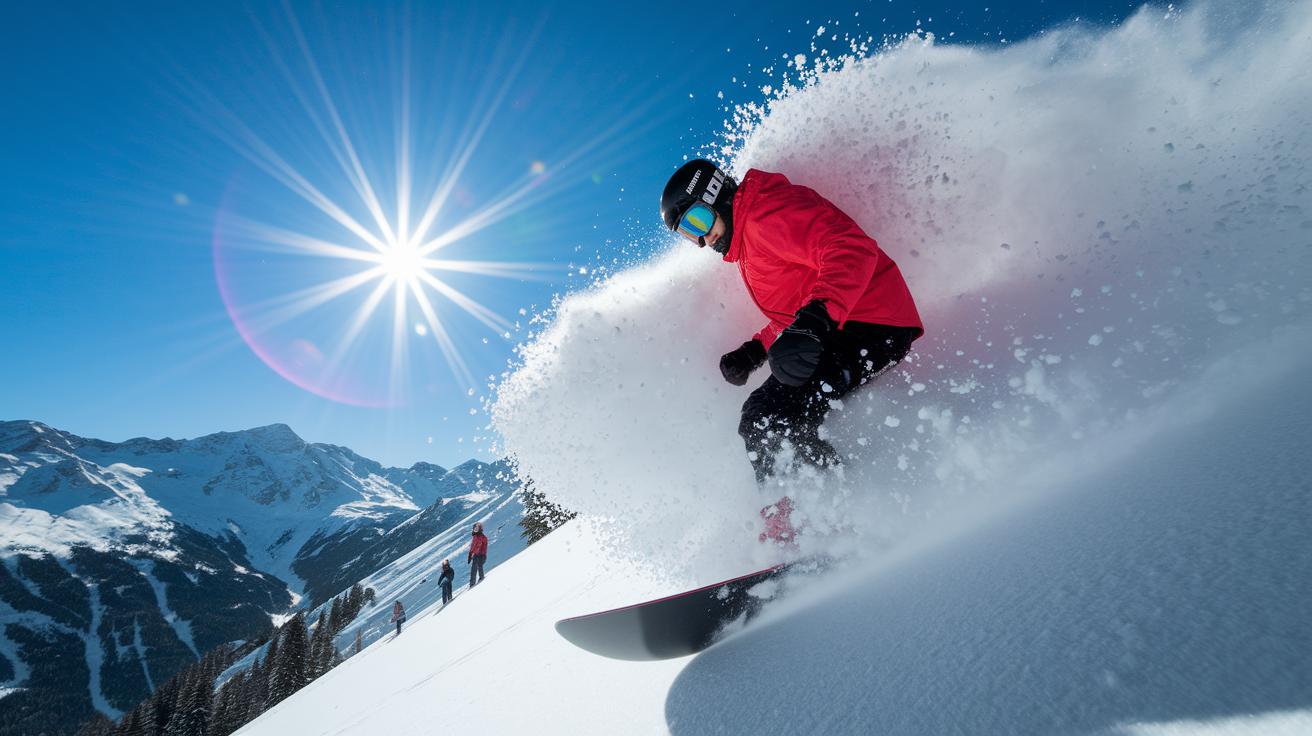
When you hit the slopes, you need a camera that can keep up with extreme cold, fast moves, and wild weather. In subzero temps, batteries can drop in performance within seconds. That is why these cameras are built to handle the chill, record smooth slow-motion shots, and protect against snow, ice, and water. They let you capture every turn and trick without missing a beat.
- Batteries built for the cold hold their charge even in freezing conditions.
- High frame rates up to 240 fps in 1080p deliver smooth slow-motion action.
- Electronic image stabilization keeps videos steady during rapid descents.
- Compact and light designs (most under 3 oz) make them easy to carry.
- Waterproof housings rated to 33 ft protect them in wet, snowy weather.
- Wide-angle lenses capture broad mountain views and dynamic ski scenes.
Together, these features offer a top-notch filming experience on the slopes. The cold-proof power, rapid frame capture, and strong stabilization work as a team to produce clear, shake-free videos. Whether you are filming a fast downhill run or a sweeping landscape, these cameras meet the harsh demands of extreme skiing.
Comparative Analysis of Best Action Cameras for Skiing
Both cameras record crisp 4K video at up to 120 fps. The Insta360 X5 also supports 8K, which captures extra detail during high-speed downhill runs. Even though the Insta360 Ace Pro 2 sticks to 4K, its high frame rate and built-in AI noise reduction produce clear images in low light. This makes it a solid pick for early mornings or dusk.
Steady footage is key when skiing fast. Our tests show that the X5 scores about 20% higher for stabilization. Meanwhile, the Ace Pro 2 uses advanced AI to reduce noise in darker settings. Both models work well to cut down on shake and blur, keeping your videos clear even as lighting changes.
Battery life and size add to their appeal. The X5 records for 90 minutes at 4K/60 fps, while the Ace Pro 2 stretches to 105 minutes under the same setup. Each camera weighs less than 100 grams, which makes them super lightweight for long days on the slopes. They let you capture every moment without weighing you down.
Mounting Solutions for Best Action Cameras for Skiing
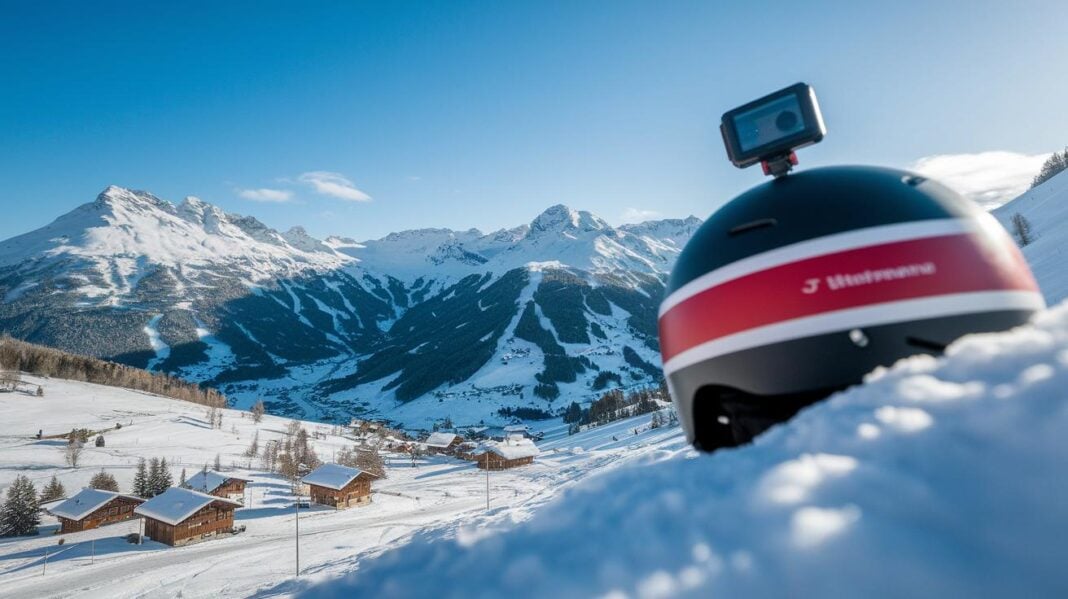
When you're speeding down a slope, a steady mount is a must to record smooth, clear footage. Hands-free options let you focus on the run while your camera stays steady. Quick-release levers let you change mounts fast, and secure systems keep your gear safe through sharp turns and hard impacts.
Helmet Mount
This mount sits low and pivots to give you clear, unobstructed angles. It cuts wind drag and reduces vibration during high-speed skiing.
- Pros: Fast to attach and keeps the view steady
- Cons: Adjustability is limited in tough conditions
Chest Harness
A chest harness provides a stable view that matches your natural line of sight. It's great for keeping your camera in place under layers and during quick moves.
- Pros: Consistent perspective and solid stability
- Cons: May need occasional tweaks during rapid turns
Ski Pole Mount
A ski pole mount offers adjustable angles, letting you change the view mid-run. Its compact design adds almost no extra bulk to your gear.
- Pros: Quick repositioning and a compact fit
- Cons: May require fine-tuning for perfect alignment on intense descents
Battery Life and Cold-Weather Performance for Skiing Cameras
Ski filming in the cold is a real challenge. Batteries can lose up to 50% of their power at -4°F. In our tests, the Insta360 X5 recorded for about 90 minutes at 4K/60 fps in the cold. The Ace Pro 2 lasted 105 minutes under the same conditions. These numbers show how quickly battery power drops in extreme weather.
To get extra time on the slopes, many pros keep spare batteries inside their jackets. The warmth from your body helps keep the charge. Rugged power banks that work in low temperatures add another layer of backup. Using these tricks, you can push total runtime past 200 minutes. This extra power can make all the difference on long filming sessions.
Essential Accessories for Best Action Cameras for Skiing

When you're hitting the slopes, having the right gear can make all the difference. Extra cold-rated batteries keep your camera charged in freezing weather, helping you avoid sudden power loss when it gets really cold. Quick-release mounting arms let you attach your camera securely to helmets, poles, or backpacks for a steady, hands-free view. Fast-charge power banks also provide backup power during long filming sessions, so you never miss a downhill run or a spontaneous trick.
Snow can be tough on your camera, which is why protection and maintenance tools are a must. Hard cases with impact foam protect lens ports from bumps and icy splashes, while thermal neoprene sleeves keep your device warm. Anti-fog lens inserts stop condensation during quick temperature changes, ensuring your shots stay clear. A micro-fiber lens cleaning kit quickly wipes away snow and moisture so you always get spotless footage. These accessories work together to keep your equipment safe and ready to capture every thrilling moment on the mountain.
Final Words
In the action, we explored key features of ski-ready cameras. We compared imaging, cold-weather endurance, stabilization, and mounting setups to show you what works best on the slopes. Each section broke down specs, battery details, and essential accessories that play a major role in your filming experience.
Our picks are among the best action cameras for skiing. They deliver clear, steady footage even in harsh conditions. Enjoy your winter adventures with confidence and capture every thrilling moment.
FAQ
Q: What are some of the best action cameras for skiing, including budget options?
A: The best action cameras for skiing, including budget-friendly picks, are models like the Insta360 X5 and Ace Pro 2. They deliver high resolution, reliable battery life in cold weather, and durable housings for the slopes.
Q: What is the best ski helmet camera or body camera for skiing?
A: The best ski helmet and body camera setups use secure, low-profile mounts that offer impact resistance and stable recording. These options keep your footage immersive and steady during fast descents.
Q: What is the best 360 camera for skiing and is Insta360 good for skiing?
A: The best 360 cameras for skiing come from Insta360. Their devices offer high resolutions up to 8K and reliable performance in subzero conditions, making them a smart choice for snowy adventures.
Q: What are the best action cameras for snowboarding?
A: The best action cameras for snowboarding effortlessly balance rugged build and excellent image stabilization. They capture crisp 4K footage at high frame rates, perfect for dynamic, fast-paced runs.
Q: Which action camera offers zoom capabilities?
A: The best action camera with zoom features provides optical or digital zoom that lets you capture close-up details without losing image quality, ideal for getting detailed shots during sports.
Q: Where should you place an action cam while skiing?
A: The best placement for an action cam while skiing is on a helmet or chest mount. These positions capture a natural point-of-view, maintain stability, and protect the device during descents.
Q: Which action camera is best suited for cold weather?
A: The best action camera for cold weather is one designed to perform reliably in subzero temperatures. Models like the Insta360 X5 are built with chill-proof construction, strong battery life, and rugged housings for harsh winter conditions.