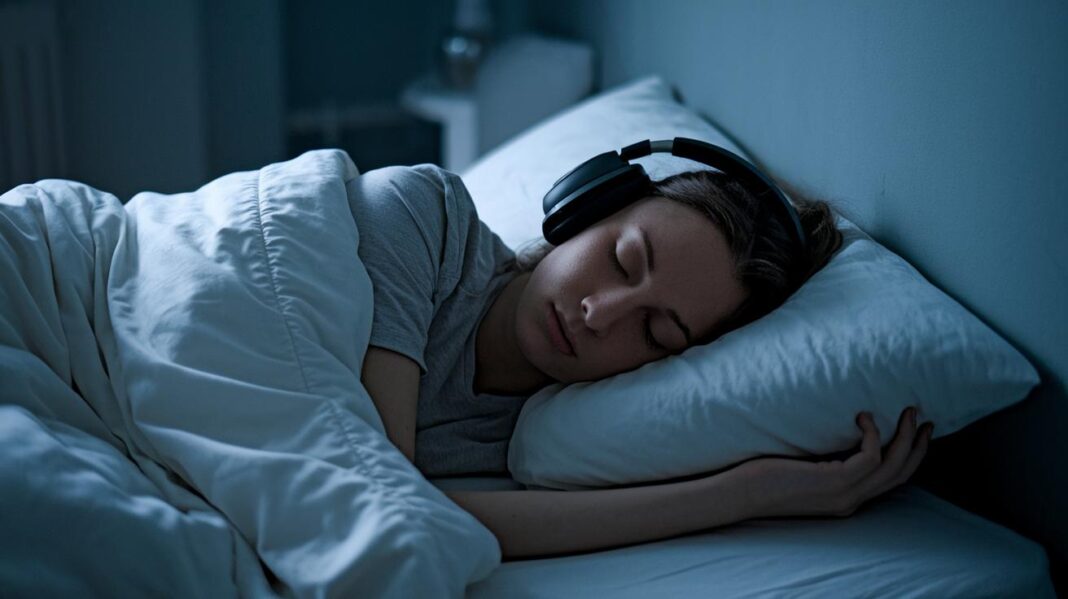
Ever wonder if city noise or a snoring partner is keeping you up at night? Noise-cancelling headphones let you step into your own quiet space, right in your bedroom. In this guide, we review top choices that help you sleep soundly. We look at important features such as a soft, comfy design, long battery life, and effective noise cancellation. If you’re easily disturbed or just looking to cut out background noise, these headphones might be your key to a great night's sleep.
Top Noise Cancelling Headphones for Sleeping: Best Picks & Comparison
When choosing headphones for sleeping, we focused on comfort, battery life, and noise cancellation. Soft materials and an ergonomic design keep pressure off your ears and head. Long battery life matters too, we want to last through the night without recharging. We checked how each model manages battery power while still cutting out background noise.
We also looked at advanced noise cancellation versus simple noise masking. Headphones with active noise cancellation (ANC) quickly cut out ambient sounds. Others use passive isolation with foam tips or fabric designs to block noise. We compared extra features too, like sleep tracking, touch controls, and being easy to wash. These details all help give you a peaceful, undisturbed sleep.
| Model | Price | Battery Life | Noise Cancellation Type | Comfort Rating |
|---|---|---|---|---|
| Soundcore Sleep A30 | $199 US | 15 h | ANC | 4 |
| Ozlo Sleepbuds | $~200 | Varies | Noise Masking | 4.5 |
| AcousticSheep SleepPhones Wireless | $99.95 | 24 h | Passive | 4 |
| HoomBand Ultimate Wireless Headband | €97 | N/A | Passive | 4.5 |
| Anker Soundcore A20 In-Ear Earbuds | $149.99 | 10 h | Passive (20–37 dB) | 3.5 |
| QuietOn 4 Sleep Earbuds | $259 | 20 h | Active (up to 100 dB) | 4 |
For light sleepers, the AcousticSheep SleepPhones Wireless and HoomBand Ultimate work well with their soft, fabric designs that reduce pressure. Side sleepers will like low-profile headbands that keep the speakers flat. Frequent travelers might choose compact options like QuietOn 4 or Anker Soundcore A20, which combine good sound reduction with portable designs. For those on a budget, the Soundcore Sleep A30 strikes a good balance with active noise cancellation, sleep tracking, and a reasonable price.
Ergonomic Features in Noise Cancelling Headphones for Sleeping
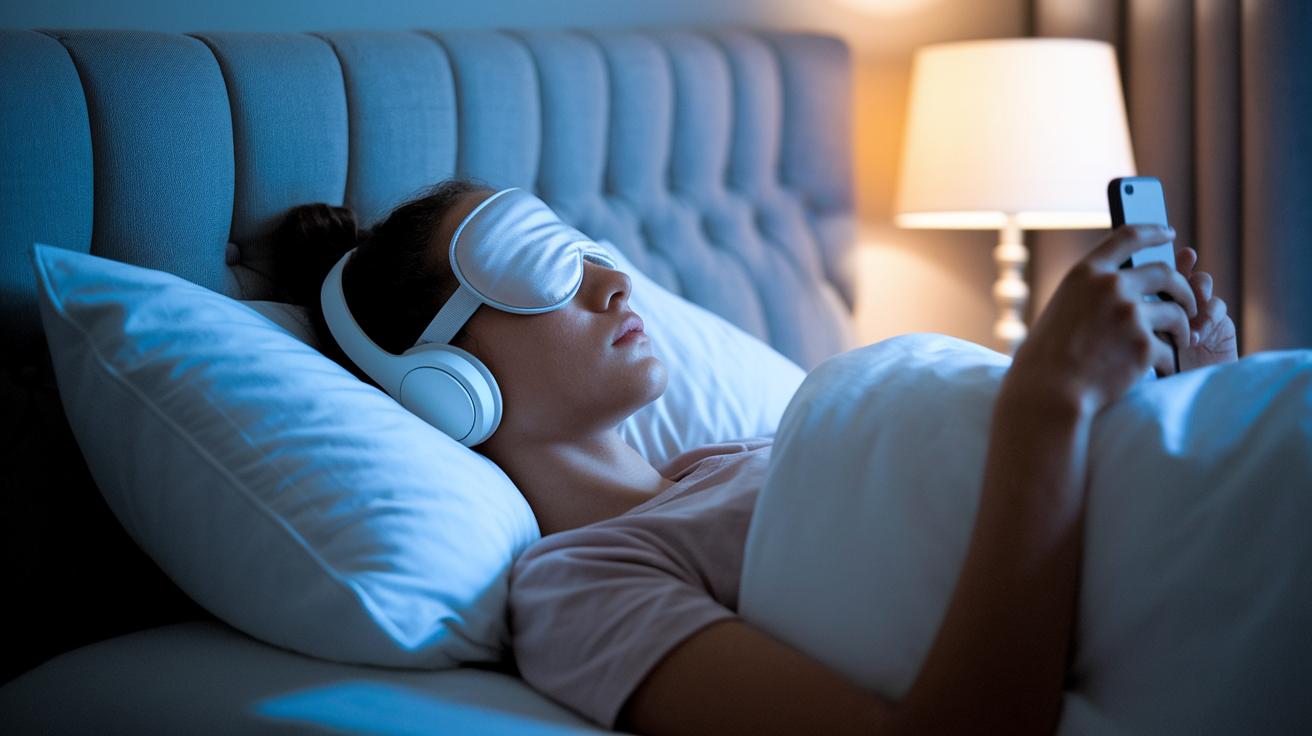
Good design makes a big difference when you try to sleep with noise cancelling headphones. A well-made headset eases pressure and fits your head in any sleeping position. This helps keep your ears comfortable all night long.
Key features include:
- Flat speakers
- Adjustable headband
- Soft earbud tip materials
- Low profile design
- Washable material
- Integrated sleep mask
Flat speakers, like those in SleepPhones headbands, spread pressure evenly over your head. Adjustability means you can fine-tune the fit for your head shape. This reduces tight spots that might disturb your sleep. Soft earbud tips, found in models such as QuietOn 4, rest gently in your ears without causing irritation.
Low profile designs work best for those who sleep on their side. For example, Apple AirPods Pro 3 have a slim design that does not push against your head. Washable materials keep the headphones fresh and clean. An integrated mask, as seen on the HoomBand Ultimate, helps to block out light for a complete sleep setup. All these features work together to lower pressure and prevent aches, so you get a better night’s sleep.
Active vs Passive Noise Cancellation for Sleep Headphones
When picking sleep headphones, the way noise cancellation works makes a big difference in your sleep quality. Passive isolation uses foam or fabric seals to block noise by 20–37 dB. Active noise cancellation uses built-in microphones and reverse signals to cancel noise up to 100 dB. It delivers deeper silence but needs battery power.
Passive Noise Isolation
Passive noise isolation relies on foam or silicone seals that naturally block sound. They fit snugly in your ear or around your head without any electronics. This approach is simple, reliable, and doesn’t drain your battery. However, it might not completely block louder noises and comfort can differ based on your ear shape or headband style.
Active Noise Cancellation
Active noise cancellation uses built-in mics to pick up ambient sounds and generates counter-signals to cancel them. This method can lower noise by as much as 100 dB, making it great for noisy places. It works well in busy settings but does require battery power. Plus, its design might add a slight pressure or slightly change the sound you hear.
If you prefer a simple setup or sleep in quiet areas, passive isolation may be your best bet. But if you often deal with loud environments or travel, active noise cancellation can offer the robust silence you need for a deep sleep.
Nighttime Audio Tips: Getting the Most from Your Sleep Headphones
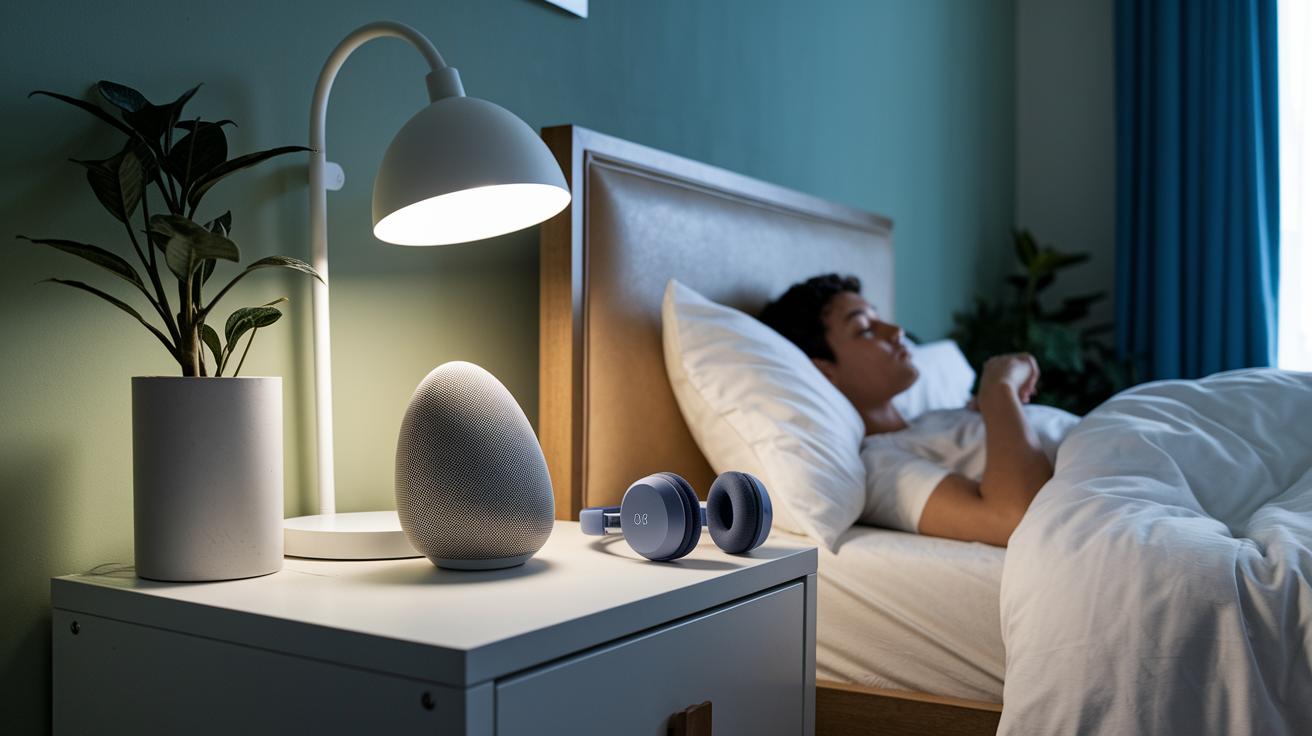
Create a calm sleep space by choosing audio that soothes you. Devices like the Soundcore Sleep A30 provide built-in noise-masking tracks and a local mode to cover unwanted sounds. You can try white noise or soft instrumental tunes to see which one helps you sleep best.
Keep the volume low to guard your ears during long nights. Many sleep headphones let you set a volume limit to avoid sudden loud bursts. This helps protect your hearing while offering a steady, gentle background sound.
Pair your device with your sleep headphones early to secure a strong Bluetooth connection. Close any background apps that might use extra battery or interfere with playback. A stable connection means fewer disruptions while you rest.
Look for features like timers, alarms, and sleep tracking that add extra convenience. These tools can automatically turn off playback or adjust the sound based on your sleep patterns, helping you wake up feeling refreshed.
Battery and Connectivity: Ensuring All-Night Performance of Sleep Headphones
SleepPhones Wireless can keep going for up to 24 hours on one charge. In comparison, Soundcore Sleep A20 and A30 last about 18+ hours and 15 hours. Most sleep headphones are designed to last through the night. Many of them include power-saving modes that turn off extra background tasks while you sleep. Plus, a quick 10-15 minute charge can give you several hours of use, which is handy if you forget to charge fully before bed.
Switching to a local audio mode can extend battery life even more. This mode turns off Bluetooth and active noise cancellation (which cuts unwanted sounds), so your headphones play back stored audio without using extra power.
For the best all-night performance, keep the volume low, set playback timers, and update your software to enjoy the latest efficiency improvements. Turning off any features you don't need can help your headphones last as long as you sleep.
Choosing Travel-Friendly and Side-Sleeper Noise Cancelling Headphones
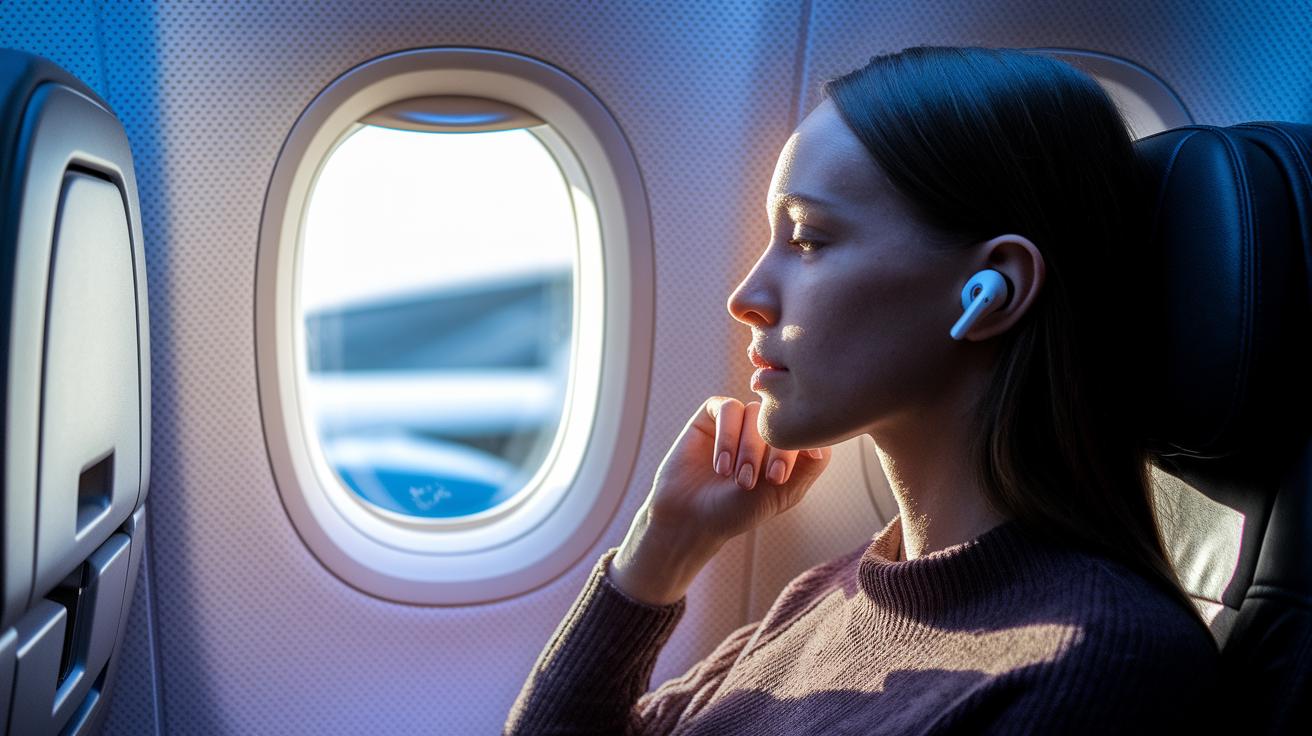
Travel often calls for noise-cancelling gear that is light and comfy. For more details on each model, check out our review tables above.
In-Ear Travel Sleep Earbuds
These small earbuds stay in place and block out unwanted noise. They work great in cramped spaces like airplane cabins. Despite their size, they deliver clear sound that makes travel easier.
Side-Sleeper Headbands and Ear Cushions
These headbands feature flat speakers and soft, washable cushions that relieve ear pressure. They are perfect for side sleepers on long trips. A handy tip: Choose a model with a washable design and use the protective case to keep them in top shape.
Final Words
In the action, this guide broke down key points on comfort, battery life, ANC versus passive isolation, and ergonomic features that matter for a sleep-friendly setup.
We compared models suited for light sleepers, side sleepers, and frequent travelers. Our insights help you choose the best noise cancelling headphones for sleeping that match your habits and budget.
Pick the option that promises a quiet, restful night and enjoy a better sleep experience.
FAQ
What do Reddit users say about noise cancelling headphones for sleeping?
Reddit discussions highlight that noise cancelling headphones can help block ambient sounds during sleep when paired with comfortable designs that prevent ear discomfort over the night.
How do noise cancelling headphones work for sleeping without music, with music, or with alarm features?
Noise cancelling headphones for sleep reduce background noise by using active technology or built-in white noise. They work well whether you play music or use integrated alarms for gentle waking.
What are the best noise cancelling headphones for sleeping?
The best models combine effective noise reduction, long battery life, and a comfortable fit. They often feature active cancellation and design tweaks that suit side sleepers and those affected by snoring.
Are noise cancelling headbands and in-bed headphones good choices for sleep?
Noise cancelling headbands integrate flat speakers into a soft fabric, offering a low-profile design ideal for side sleepers. These options provide effective sound blocking while maintaining comfort in bed.
Is it safe to sleep with noise cancelling headphones?
It is safe when you choose models designed specifically for sleep. A secure, lightweight design minimizes pressure on your ears, reducing the risk of discomfort or potential ear strain during the night.
How can you completely block out noise when sleeping?
To block out noise, select headphones with robust active cancellation or noise-masking features paired with a secure, comfortable fit. Combining these with environmental measures, like blackout curtains, can boost silence.
Where can you find noise cancelling headphones for sleeping?
Many trusted choices are available on Amazon. Look for models that offer a balance of effective noise cancellation, comfort, battery life, and features tailored to sleep needs.
Which noise cancelling headphones work best for reducing snoring and are suitable for bed use?
Models designed to counter snoring often include enhanced noise cancellation and a snug fit. These in-bed options ensure minimal discomfort while effectively reducing disruptive sounds during sleep.