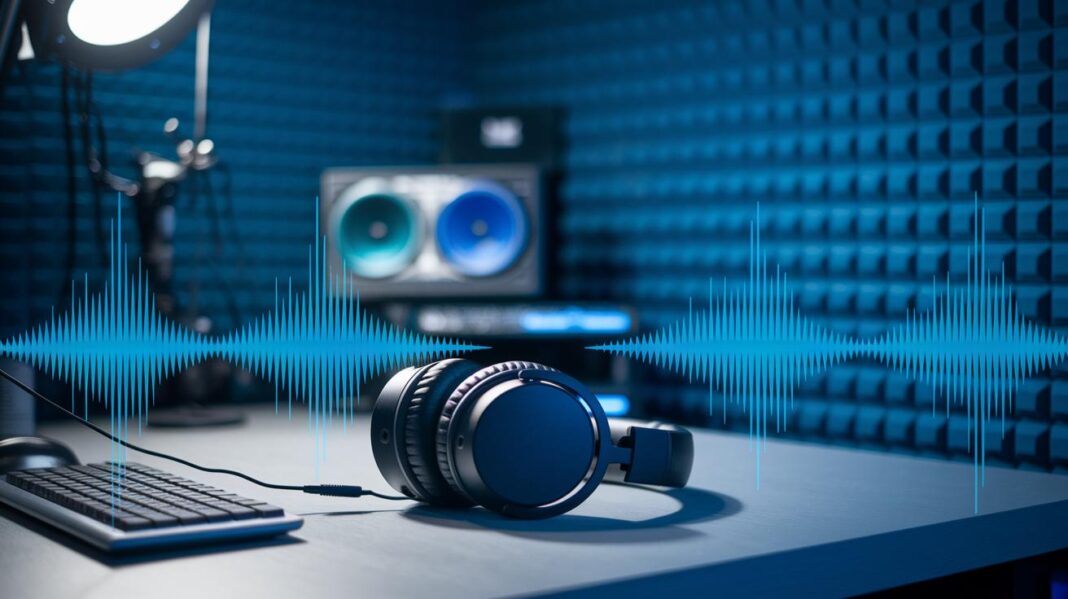
Ever thought about making silence out of noise? Noise canceling headphones use smart technology to turn unwanted sounds into calm. Small built-in microphones catch nearby sounds, and clever circuits create reverse waves (sound waves that work against the noise) to cancel them out, much like water waves that meet and cancel each other. Instead of only blocking sound with cushioned ear cups, these headphones actively erase background noise. In this post, we show how active cancellation and simple design work together to deliver clear sound even in busy settings like flights or bustling offices.
Noise Cancellation Technology Overview in Headphones
Noise-canceling headphones use two simple methods to block unwanted sounds: active noise cancellation (ANC) and passive sound isolation. ANC uses built-in microphones to pick up outside noise and then sends that sound to digital circuits. These circuits create an inverse sound wave, which cancels the noise. Passive isolation uses physical barriers like cushioned ear cups and foam to keep sound from reaching your ears. Here are the two main parts at work:
- Active noise cancellation process
- Passive noise-blocking design
The active method measures the incoming sound's strength and frequency. It then flips the sound wave to make an opposite one. When the two waves meet, they cancel each other out. Think of it like two water waves; if one is flipped upside down, they smooth each other away. This method works best on steady, low sounds like the hum of an engine.
When you combine active and passive techniques, you get a powerful noise reduction experience. ANC quickly works to cancel background sounds, while the physical design of the headphones offers an extra layer of noise blocking. This mix creates a private audio bubble that is great in environments with constant background noise, such as airplanes or busy offices. The result is clear and crisp sound even in noisy settings.
Microphone-Based Anti-Noise and Signal Inversion Techniques
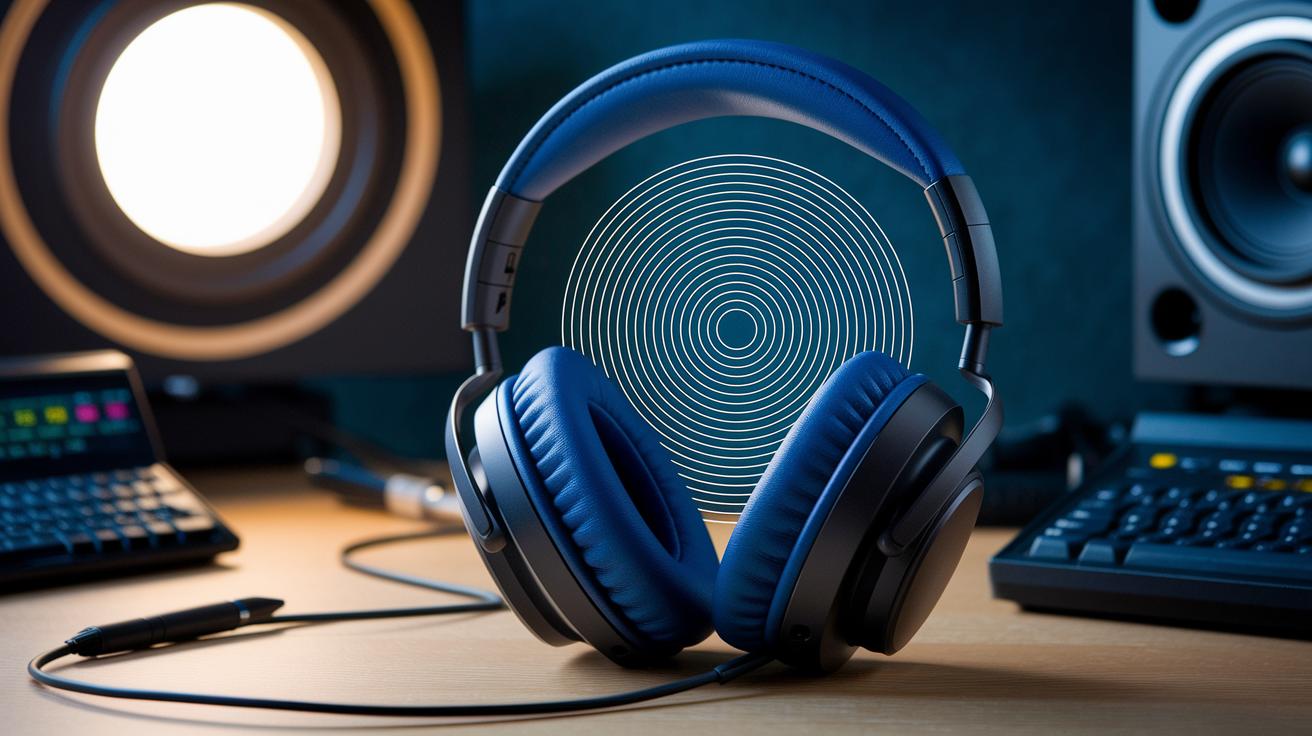
Active noise cancelling headphones use tiny built-in microphones to listen to the sounds around you. They capture the strength and pitch (frequency) of nearby noises so the device knows what it is dealing with.
The system then flips the captured noise by 180 degrees to make an "anti-noise" wave. This new wave has the same power as the original but is completely out of phase. When the two waves meet, they cancel each other out. For example, a constant 60 Hz noise gets matched by a 60 Hz reversed wave that neutralizes it.
This technique works best with steady sounds. It has trouble with sudden noises like claps or door slams because these sounds change too quickly for the system to create an effective counter wave.
Passive Sound Isolation Benefits in Noise Cancelling Headphones
Passive sound isolation in noise cancelling headphones works by using well-designed ear seals and quality materials. Soft ear cups, memory foam, and sturdy plastics create a barrier that stops a lot of noise from reaching your ears. They cut down on mid- and high-frequency sounds by blocking them before they get in. Even when active noise cancellation is off, a snug headband seal helps trap unwanted noise.
Over-ear headphones usually do a better job of blocking noise compared to in-ear models. They cover your ears completely, forming a deep seal that reduces sound leakage and gives you an immersive listening experience. In-ear models rely on tips that fit tightly to block the ear canal, which is great for travel but doesn't isolate as well. Both types help cut down on ambient sounds, but over-ear designs create a cocoon-like feel while in-ear ones are easier to carry around.
ANC Circuitry Design and Digital Signal Processing Fundamentals
Feedforward vs Feedback ANC Architectures
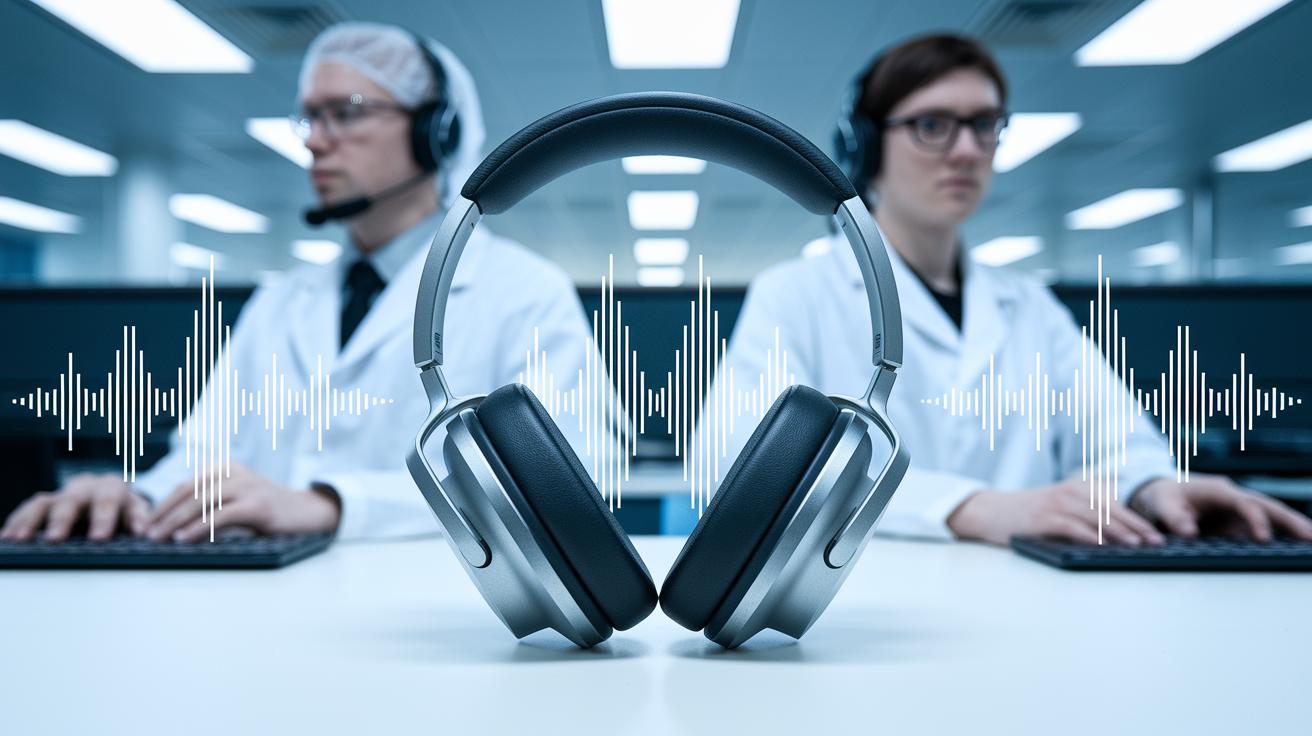
Feedforward ANC uses microphones on the outside of the ear cups. These mics pick up sounds from your environment before you hear them. This speed helps the system create an anti-noise signal quickly. In contrast, feedback ANC has microphones inside the ear cup near the speakers. They listen to the sound right where you hear it and adjust to cancel any remaining noise. Feedforward systems react fast, while feedback systems fine-tune noise cancellation as it happens.
Digital Signal Processing in ANC
Digital Signal Processors (DSPs) are the heart of noise cancellation. They sample external noise hundreds of times each second and run smart algorithms to create an opposite sound wave. This inverted wave meets the ambient noise and cancels it out almost instantly.
Power management is key in wireless models. Designers use analog filters to clean out unwanted low-frequency sounds before the signal is digitized. Once the signal is clear, the DSP quickly adapts to changes in noise levels. Faster processing can cancel noise better but uses more power, so designers must balance strong noise cancellation with keeping battery life long.
Performance Metrics for Noise Cancelling Headphones in Practice
We use decibel reduction (dB) to see how well noise cancelling headphones block sound. In our tests, we compare the noise level before and after using the headphones. These tests are done in quiet anechoic chambers, controlled acoustic labs, and noisy real-world rooms.
Active noise cancellation works best at blocking steady, low-frequency sounds. At the same time, the headphones’ design helps block mid- and high-frequency sounds naturally. The table below shows the typical results we see:
| Frequency Range | Typical dB Reduction | Test Environment |
|---|---|---|
| Low-Freq (20–500 Hz) | 20–30 dB | Anechoic Chamber |
| Mid-Freq (500 Hz–2 kHz) | 10–15 dB | Acoustic Lab |
| High-Freq (>2 kHz) | 5–10 dB | Real-World Noise Room |
These figures show how well headphones cut out different types of noise. Active cancellation cuts low, steady sounds, while the natural build of the headphones helps reduce mid- to high-frequency noise. This mix gives you a quieter, more relaxing listening experience even in loud settings.
Real-World Noise Cancelling Headphones Use Cases and Environments
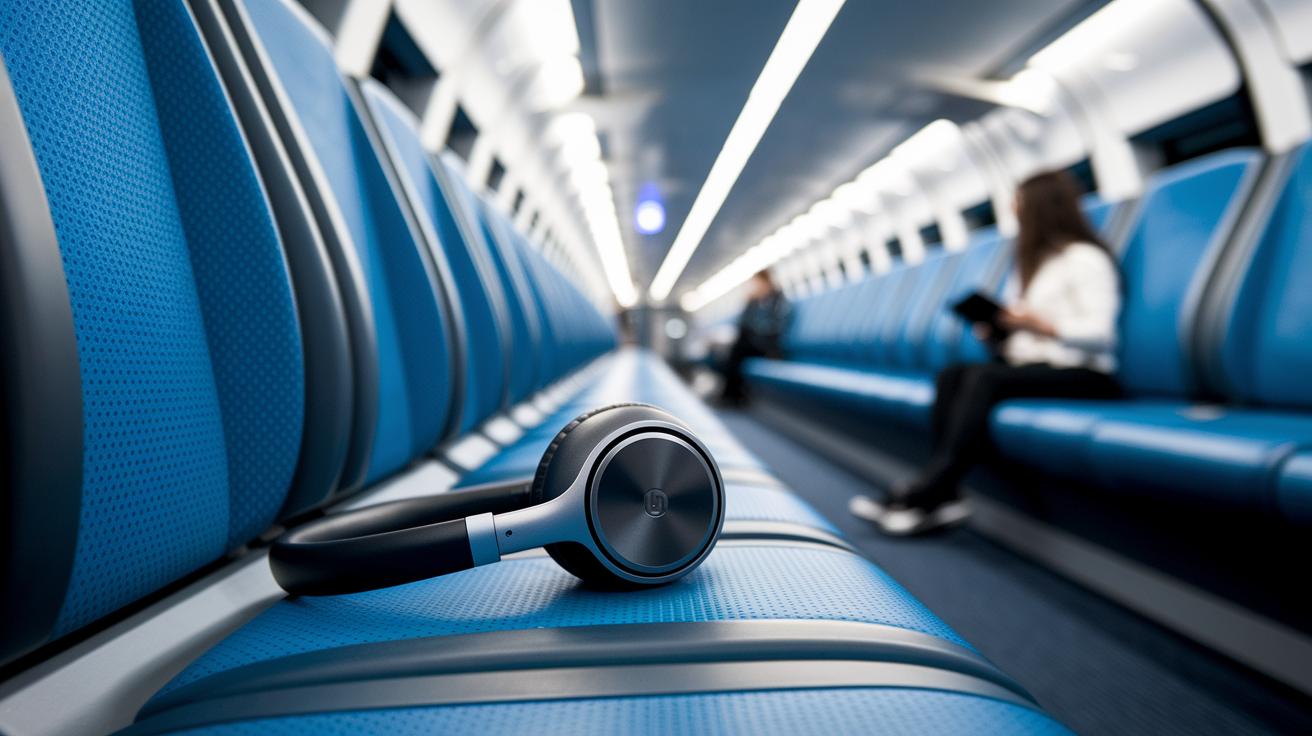
When you fly or take the train and bus, noise-cancelling headphones really stand out. They cut down the steady hum of engines on planes and long-distance trains. The active noise cancellation blocks low, consistent sounds so you can enjoy a movie or listen to your favorite podcast without distraction.
In busy offices and lively cafés, these headphones work just as well. They mix active noise cancellation with snug, sound-blocking ear cups to soften background chatter and keyboard clicks. Some models even offer an Aware Mode so you can hear important announcements while staying focused on your work or music. This mix of features helps create a quiet space even in noisy places.
Final Words
In the action, our post broke down noise cancellation technology and showed how do noise cancelling headphones work. We explained active noise cancellation and passive isolation with clear examples and bullet points. Small mic details, signal inversion, and digital processing were covered to show real-life performance. We looked at performance metrics and typical environments where these headphones shine. It’s all laid out in simple steps to help you understand the trade-offs and strengths. Enjoy your quiet moments with confidence and clarity.
FAQ
Frequently Asked Questions
What are the best noise cancelling headphones?
The best noise cancelling headphones combine strong ANC technology with quality passive sound isolation. They deliver clear audio, comfortable design, and long battery life, making them ideal for travel, office work, or home use.
How do noise cancelling headphones work using physics?
Noise cancelling headphones work by using built-in microphones to capture external sounds, then creating an anti-noise signal with an inverted phase. This destructive interference cancels out unwanted ambient noise.
How do noise cancelling headphones work without music playing?
Even without music, noise cancelling headphones continuously sample ambient sound and generate an anti-noise signal. This process reduces background noise, providing a quieter environment regardless of audio playback.
Is noise cancelling safe and is it bad for your ears?
Noise cancelling headphones are generally safe as they reduce harmful ambient sounds. They do not damage your ears as long as you maintain a reasonable listening volume and limit prolonged exposure to high volumes.
How do wireless noise cancelling headphones work?
Wireless noise cancelling headphones work similarly to wired models by using built-in mics and digital processors. They cancel unwanted sounds via anti-noise signals while offering the freedom of Bluetooth connectivity without compromising performance.
What do Reddit users say about how noise cancelling headphones work?
Reddit users explain that noise cancelling headphones use clever mic placements and digital signal processing to capture and invert ambient noise. This common explanation aligns with scientific principles and real-world testing of ANC technology.
How do noise cancelling headphones benefit kids and individuals with autism?
Noise cancelling headphones can help kids and individuals with autism by reducing overwhelming background sounds. This quieter environment aids in concentration and minimizes sensory overload, supporting a calmer and more focused experience.
Do noise cancelling headphones really work?
Noise cancelling headphones work well by combining active noise cancellation and passive isolation. They significantly reduce low-frequency background noise, making them effective for environments like airplanes, trains, or busy offices.
What are the disadvantages of noise cancelling headphones?
Disadvantages include a potential impact on sound quality, shorter battery life in wireless models, and less effective performance with sudden high-frequency or irregular noises. Some users may also find them less comfortable during long sessions.
Do you have to listen to music for noise cancelling headphones to work?
Noise cancelling headphones operate independently of music. They continuously generate anti-noise signals to cancel background noise, meaning they function effectively whether or not music is playing.