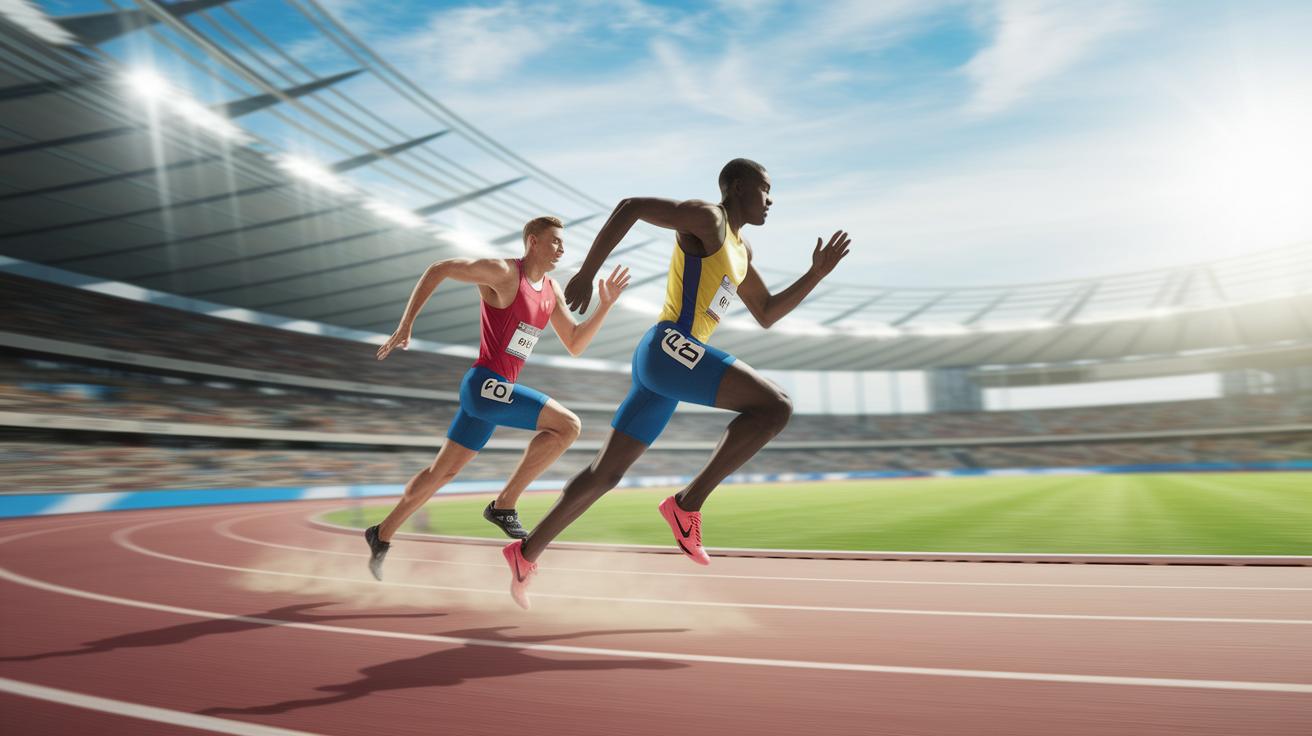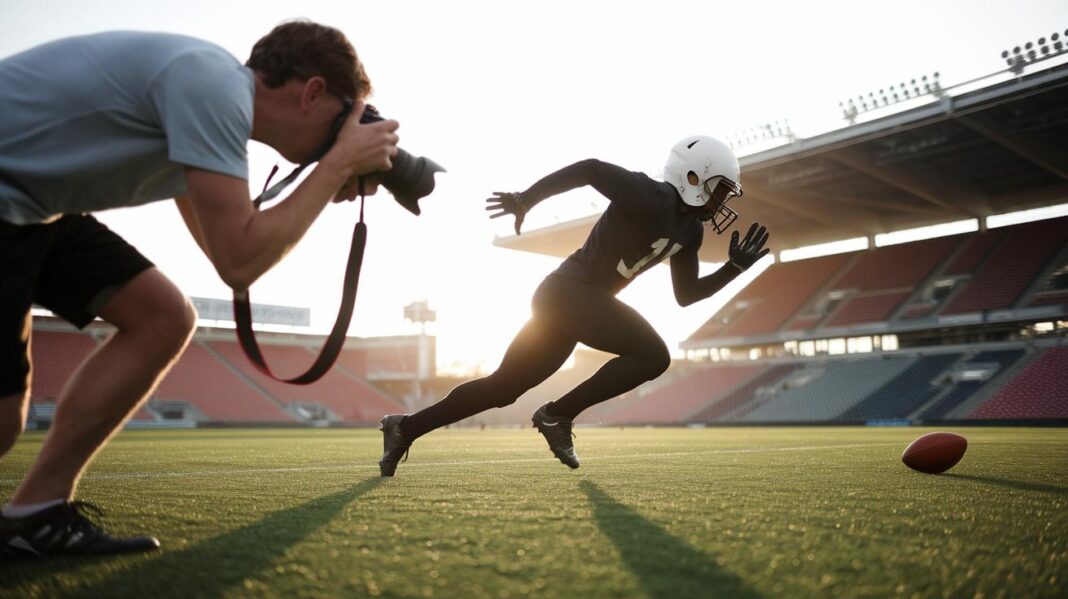
Ever wonder how athletes capture those quick, winning moments? DSLR cameras built for sports really make it happen. They shoot in high-speed bursts and use smart autofocus (a system that quickly locks on to moving subjects) to catch every play. These cameras are tough and reliable, so each click captures the real spirit of the game. If you're looking to improve your sports photography, a well-built DSLR could be the upgrade you need.
Best DSLR Cameras for Sports Photography: Top Picks & Performance Metrics
Sports photography needs cameras that can capture fast, clear shots in the blink of an eye. These DSLRs shoot many pictures per second and use smart focus systems (autofocus) to catch quick moments. They are built tough and deliver high-quality images for field use. Below is a table comparing six popular models that suit both professional and hobby sports photographers.
| Model | Sensor Type | Max Burst Rate | Autofocus Points | ISO Range | Approx. Price |
|---|---|---|---|---|---|
| Canon EOS-1D X Mark III | Full-frame | 16 fps | Advanced AF system | 100-51200 (expandable) | $6500 |
| Nikon D6 | Full-frame | 14 fps | 105-point AF system | 100-25600 (expandable) | $6500 |
| Canon EOS 7D | APS-C | 8 fps | ~19 cross-type AF points | 100-6400 | $
Critical DSLR Camera Features for Sports Photography
DSLR cameras built for sports photography deliver lightning-fast performance when you need to capture every moment. They are engineered to snap split-second action, so you never miss a winning play. Models like Canon with Dual Pixel Intelligent AF (a system that uses many autofocus points to keep moving subjects in clear focus) can quickly lock onto fast-moving targets. With high-speed burst modes, minimal shutter lag, and smart tracking, these cameras are perfect for shooting fast-paced sports.
In real sports settings, these features work in harmony. Fast autofocus and low shutter lag let you capture critical, fleeting moments on the field. A high burst rate combined with excellent tracking keeps every key move sharp and clear. Reliable shutter performance and a bright viewfinder make shooting less stressful, while a strong buffer helps you keep shooting during long sessions. This way, every important moment, whether on the track or field, is recorded in stunning detail. Lens Options & Interchangeable Lens Systems for Sports DSLRsDSLR cameras let you mix and match lenses easily, whether you have a full-frame or a crop sensor model. You can pick from many options. For example, telephoto zooms like 70-200 mm or 100-400 mm are great for capturing far-away subjects. Fast prime lenses such as a 300 mm f/2.8 deliver very sharp images even when subjects are in motion. This variety helps you choose the right lens for your style, whether you're zooming in on a close-up of an athlete or showing the full field in a game. Some lenses also include optical stabilization (a feature that helps steady the image) to cut down on blur, even when shooting by hand in fast-paced sports. When it comes to zoom versus prime lenses, there are trade-offs. Zoom lenses let you switch focal length quickly, which is useful in busy sports scenes like courtside or trackside events. Prime lenses, on the other hand, have a fixed focal length but offer excellent clarity and wider apertures for low-light situations. This makes them a strong option when every moment counts. Ultimately, the best lens depends on your shooting needs and the specific sports environment. Optimizing Low-Light Performance with Advanced Sensor Sensitivity
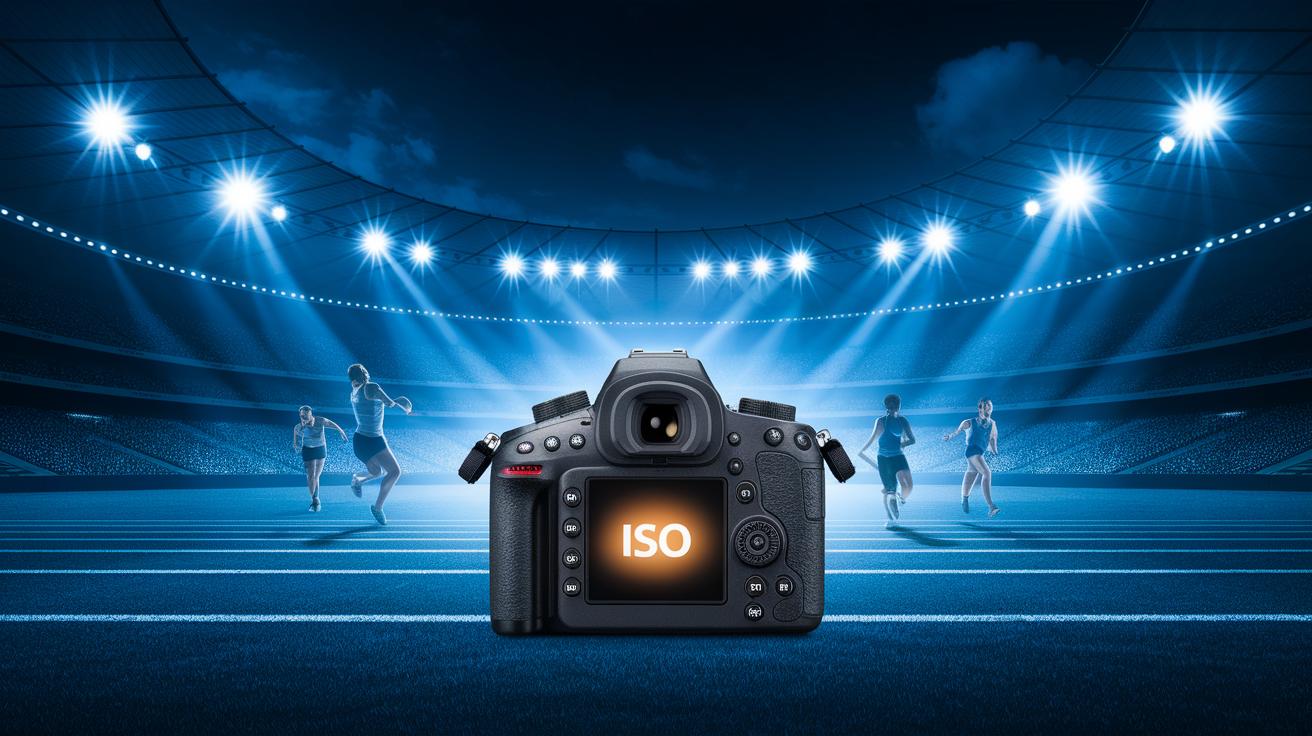
DSLR sensors are made to work well in low light, which is great for shooting sports under tough lighting. New full-frame cameras can work at ISO levels up to 102400 while keeping noise low with smart noise reduction. Believe it or not, some DSLRs still deliver clear photos in settings where older cameras would lose detail. Today’s sensors shine when it comes to high ISO and noise control. They reduce the extra noise that shows up in low-light shots like those under stadium lights. This lets you raise the ISO without ruining image quality, so you can easily capture fast action in dim scenes. A wide dynamic range is also key when you edit your raw files. By keeping details in both the light and dark parts of the image, these cameras give you balanced shots even in challenging lighting. This extra detail means you'll have more freedom when you tweak your photos later. Ergonomics, Durability & Pro-Level Handling of Sports DSLRsSports DSLRs are built to feel solid and comfortable during tough shooting sessions. They feature deep grips and easy-to-turn dials so you can change settings quickly. Their optical viewfinders give you a clear, real-time look at your scene, making it simple to frame each shot. Plus, you can customize the command buttons for quick access to your favorite settings in fast-paced action. Pro sports models are built tough to handle harsh conditions. Many have weather-resistant bodies that guard against dust, rain, and extreme temperatures, so you can shoot with confidence no matter the weather. They also offer long battery life, with most models capturing between 2,000 and 3,000 shots on a single charge. This smart mix of strong hardware and efficient power use means you can count on your DSLR to capture every important moment, even during long, demanding sessions. Budget-Friendly DSLR Cameras for Beginner & Intermediate Sports Photographers
For sports photographers on a budget, the right camera offers both value and the features needed to capture fast action. Entry-level DSLRs have simple autofocus and shoot 5-7 photos per second, making them perfect for sports events. The Canon EOS 7D is a popular choice. It features an APS-C sensor with 18 MP and can take 8 photos per second. Its tough design and easy-to-use interface help you feel confident during fast-paced shoots. With hundreds of autofocus points, it tracks moving players with accuracy. Another good option comes with built-in guides and sports presets. These cameras make it easy to set up and adjust focus, all while keeping costs low. They offer upgraded performance on a budget. These cameras blend price and performance well. They give new sports photographers the essential tools to capture dynamic moments. As skills improve, you can always upgrade later on. Final WordsIn the action, this guide walked through key specs, features, and practical use cases for top DSLR models made for sports shooting. It covered performance, lens choices, sensor sensitivity, ergonomics, and budget-friendly options. Each section outlined real-world benefits so you can quickly compare and pick the best setup. We tested how these dslr cameras for sports photography perform under game-day pressure and found plenty of solid choices. Enjoy capturing every fast-paced moment! FAQWhat are the best DSLR options for sports photography on a budget?The best budget DSLR options for sports photography combine fast autofocus, high burst rates, and solid build quality. They come in price ranges under $500 and $1,000, making them ideal for beginners and enthusiasts. What is the best DSLR camera for sports photography?The best DSLR for sports photography delivers rapid continuous shooting, advanced autofocus, and rugged construction. It is designed to capture fast action and perform well in both outdoor and indoor settings. Can I use a DSLR for sports photography?You can use a DSLR for sports photography because they offer burst shooting, accurate autofocus, and reliable handling in high-motion situations. Many professionals continue to choose DSLRs for action-packed events. What cameras do sports photographers use?Sports photographers use DSLRs and mirrorless cameras that offer high burst modes and robust autofocus systems. These cameras are built to handle fast-moving subjects and varying lighting conditions effectively. Why is the DSLR being phased out?The DSLR is being phased out as mirrorless cameras provide faster shooting rates, improved autofocus, and lighter bodies. Manufacturers are moving toward mirrorless designs to meet evolving performance demands. What does the Canon EOS R3 offer for sports photography?The Canon EOS R3 offers fast autofocus, a high burst rate, and a full-frame sensor that is well suited for capturing rapid sports action. Its performance meets the rigorous demands of competitive environments. What makes the Canon EOS-1D X Mark III a top choice for sports photography?The Canon EOS-1D X Mark III stands out with its 20.1 MP full-frame sensor, up to 16 fps burst shooting, and near-infinite buffer capacity. These features make it excellent for capturing fast-paced sports events. How does the Canon EOS R10 perform in sports photography?The Canon EOS R10 delivers a compact design with fast burst shooting and a refined autofocus system. This balance of speed and portability makes it a practical choice for capturing dynamic sports moments. What are the benefits of using the Canon EOS 90D for sports photography?The Canon EOS 90D features a high-resolution APS-C sensor, fast burst shooting, and numerous autofocus points. These traits enable it to produce detailed and sharp images during fast action. How does the Canon EOS R5 enhance sports photography?The Canon EOS R5 enhances sports photography with its high-resolution full-frame sensor, rapid burst rates, and advanced autofocus system. It captures crisp action shots and handles varied lighting with ease. What features does the Canon EOS R50 provide for sports photography?The Canon EOS R50 offers a compact, user-friendly design combined with efficient shooting speeds. This makes it an appealing option for entry-level to intermediate sports photographers seeking reliable performance. Previous article  Next article  Popular Articles |