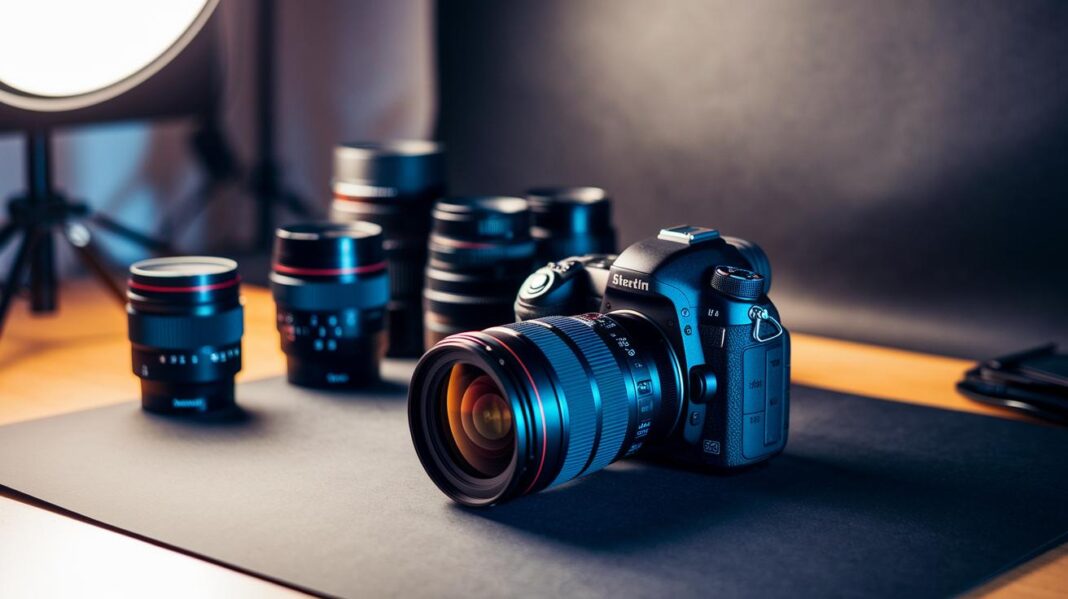
Do DSLR cameras still have a place in a world dominated by mirrorless options? If you shoot videos, you need clear, detailed footage even when the action is fast. Our top DSLR picks for 2024 show that they still deliver great video quality. We focus on factors like high resolution, smart autofocus (a system that keeps moving subjects sharp), and long battery life. Read on to see which cameras stand out and why they could be a perfect match for your video projects.
Top DSLR Cameras for Videography in 2024
If you are into filmmaking and need a camera that offers high resolution and solid production quality, these five DSLR cameras are a great pick. The Canon EOS 90D comes with a 32.5 MP APS-C sensor and records uncropped 4K at 30 fps. Its Dual Pixel autofocus ensures smooth tracking and vibrant colors. In fact, its uncropped 4K lets you reframe your shots without losing any detail.
The Nikon D850 is built for those who push the limits. With a 45.7 MP full-frame sensor and 4K UHD recording, it is ready for long shoots with a battery that can handle around 1,600 shots. Its weather-sealed body makes it perfect for tough shooting conditions.
For a blend of reliability and solid autofocus, consider the Canon EOS 5D Mark IV. It features a 30.4 MP full-frame sensor and Dual Pixel AF for 4K at 30 fps, all housed in a robust body.
When capturing fast-moving subjects, the Canon EOS-1D X Mark III shines with its 5.5K video and advanced autofocus that tracks high-speed action with ease.
The Nikon D780 mixes classic DSLR handling with modern live view features. Its on-sensor phase-detection autofocus, 24.5 MP full-frame sensor, and tilting touchscreen make it versatile for many shooting conditions.
| Model | Sensor | Video Resolution | Key Video Feature |
|---|---|---|---|
| Canon EOS 90D | 32.5 MP APS-C | Uncropped 4K/30 fps | Dual Pixel autofocus |
| Nikon D850 | 45.7 MP Full-frame | 4K UHD | Extended battery endurance |
| Canon EOS 5D Mark IV | 30.4 MP Full-frame | 4K/30 fps | Robust build with Dual Pixel AF |
| Canon EOS-1D X Mark III | Professional-grade | 5.5K Video | Advanced autofocus for fast subjects |
| Nikon D780 | 24.5 MP Full-frame | 4K UHD | On-sensor phase detection with tilting touchscreen |
Each camera strikes a balance between clarity, autofocus performance, and battery life, offering options for many different videography needs and creative projects.
Technical Specifications that Impact DSLR Video Quality
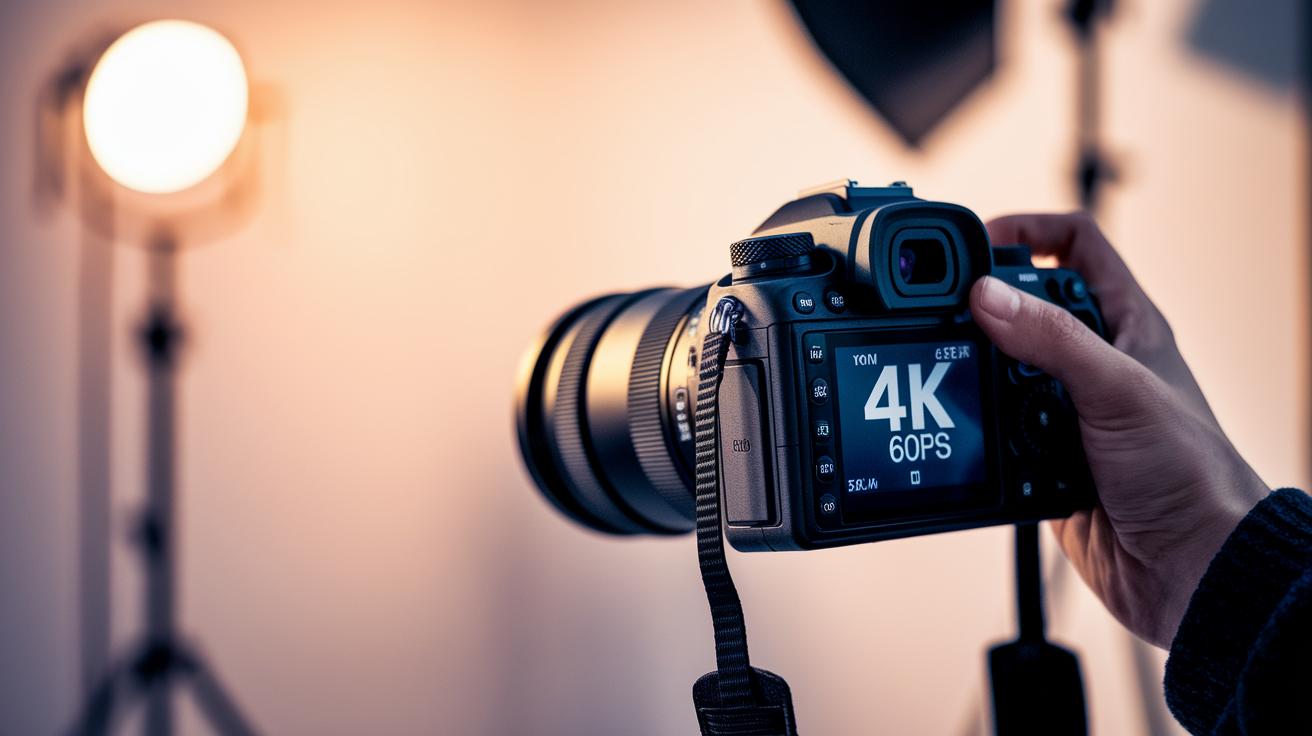
DSLR video quality depends on a few key specs that shape your final product. Resolution and frame rate are two key factors. Many DSLR cameras capture Full HD at up to 120 fps, while others record 4K video at 24 to 60 fps. High bit rates (25 Mbps or more) keep the image clear by reducing compression. For example, a camera might record 4K at 60 fps with a bit rate that preserves fine details, making it a strong choice for professional work.
Sensor size also matters. Full-frame sensors give you a shallow depth of field and cleaner images in low light. In contrast, APS-C sensors apply a crop factor that may add more noise. This difference is important when you check how well a sensor performs. These cameras also use digital signal processors (DSPs) to handle high frame rates and bit rates, which cuts down on rolling shutter effects that can blur quick movements.
Dynamic range is another key specification. Many full-frame DSLRs, like the Nikon D850 and Canon EOS 5D Mark IV, offer about 14 stops. This helps recover details in bright areas. Larger pixels in full-frame sensors also boost low-light performance, capturing cleaner images even at ISO 3200 and higher. This means you can get strong footage even in tough lighting conditions.
Autofocus, Stabilization, and Heat Management in DSLR Videography
Advanced Autofocus Systems
DSLR cameras use smart focus tools to keep your videos sharp. They rely on phase-detection and Dual Pixel autofocus (a system that focuses very quickly) to follow moving subjects. For example, Canon’s Dual Pixel autofocus locks focus fast, so even if your subject suddenly changes direction, the camera reacts right away. Some models mix phase-detection with hybrid autofocus to work well in low light or busy scenes. This means your fast-moving shots stay clear with little need for fixes later.
Stabilization Techniques
To prevent shaky footage, many DSLRs use lens-based stabilization. Lenses with Canon IS or Nikon VR help steady your shots by reducing camera shake. In some setups, you can use adapters to mount stabilized lenses on cameras that lack in-body stabilization. Even though this might affect features like autofocus or aperture control, it keeps your handheld recordings smooth in dynamic situations.
Heat and Noise Management
Shooting in 4K for long periods can heat up your camera. High-end models like Canon 1D X Mark III use sturdy designs and built-in heat sinks (components that help with cooling) to handle the extra heat. They also use lower compression and powerful processors to cut down noise at high ISO levels, ensuring your video stays clean and clear even during long sessions.
Lens Compatibility and Cinematic Features for DSLR Video

DSLR cameras come with many built-in lens options that spark creativity when shooting video. The native EF and F-mount systems include lenses like macro, super-telephoto, tilt-shift, and those made just for cinema. These help videographers pick the right tool for any project. Wide-aperture primes rated from f/1.2 to f/1.8 create a shallow depth of field and boost low-light performance, giving your footage a true film-like feel. You can also mix in many third-party lenses from brands such as Sigma Art, Tamron, and Samyang Cine that work well with these DSLR mounts.
Adapters can widen your lens choices even more, but they might slow autofocus and reduce aperture control compared to native lenses, something to keep in mind when smooth video performance is key. For a picture-perfect cinematic look, pairing your DSLR with quality ND filters and matte boxes is essential. These accessories help you manage exposure and keep image quality steady even in bright conditions.
Below is a list of six recommended cinematic lens and accessory options:
- Canon EF 50mm f/1.8 for sharp performance in low light
- Sigma Art 35mm f/1.4 for excellent image clarity
- Tamron SP 24-70mm f/2.8 for versatile zoom coverage
- Samyang Cine 14mm T2.0 for a wide-angle cinematic view
- Variable ND filter kit to balance exposure in changing light
- Matte box system for enhanced light control and a professional look
Investing in these lenses and accessories will help you unlock the full filmic potential of your DSLR setup.
Practical Videography Tips and Workflow Integration with DSLR Cameras
Start by setting up your DSLR for video work to make your shooting process smooth from the beginning. Plug in your audio devices using a 3.5 mm mic input or an XLR adapter through the hot-shoe. This setup captures clear PCM or AAC sound, which is important for interviews and long recording sessions.
Take care of power management. Use battery grips or attach an external USB-C power bank to extend your recording time during events or long shoots. This way, you can keep filming without having to stop for battery changes.
Manual controls make a big difference. Assign dedicated dials for ISO, shutter speed, and aperture adjustments. For example, set one dial to manage ISO so you can quickly switch from dim indoor lighting to bright daylight. These quick tweaks help keep your shots evenly exposed and sharp.
Recording at 4K/24 fps offers a good mix of high resolution and modest file sizes. This setting makes it easier to work with your editing software while keeping fine details intact, especially when doing color correction or adding effects.
Lighting is essential. Use an on-camera LED panel together with ambient lights to get balanced and natural illumination. Also, ND filters are vital when shooting outside; they help manage exposure under bright conditions so you maintain a cinematic look.
Here are some practical tips:
- Use a 3.5 mm or XLR input for clear audio.
- Extend your shooting time with battery grips or USB-C power banks.
- Set up dedicated dials for fast adjustments to ISO, shutter, and aperture.
- Record at 4K/24 fps for high-quality, manageable footage.
- Combine on-camera lighting with ambient lights and ND filters to balance exposure.
These steps make your filming setup more efficient and help you bring your creative vision to life with less hassle.
Affordable and Budget-Friendly DSLR Options for Video Projects
If you're a filmmaker on a tight budget, you can still get great video quality without spending a fortune. These DSLR cameras offer reliable video features and room to grow as your skills improve. They are simple to use and compact enough for new users and casual filmmakers.
The Canon Rebel T5i is a solid entry-level APS-C camera that records Full HD video at 30 fps. It works well with a range of accessories so you can expand your kit over time. You can pick up just the body for under USD 500, making it a smart budget choice.
The Canon EOS SL3 (250D) offers an upgrade with its 24.1 MP sensor and 4K video recording at 25 fps. Note that it uses a 1.6x crop in video mode, which cuts some of the frame. Its easy-to-use LCD screen is great for vloggers, and you can get it for less than USD 700.
For a bit more investment, the Nikon D7500 delivers a 20.9 MP sensor and 4K video at 30 fps. It comes with weather sealing and a tilting screen, giving it a robust feel. Priced around USD 1,000 for the body, it offers solid mid-range performance and the potential to upgrade later.
- Canon Rebel T5i: Budget-friendly, Full HD, lots of accessory options
- Canon EOS SL3 (250D): 24.1 MP, 4K (with a 1.6x crop), user-friendly LCD
- Nikon D7500: 20.9 MP, 4K, durable design with weather sealing and tilting screen
DSLR vs Mirrorless for Videography: A Comparative Overview
DSLR cameras and mirrorless models work differently for video. DSLR cameras use optical viewfinders that show a natural look through a mirror system. Mirrorless cameras use LCD screens or electronic viewfinders with features like focus peaking (highlights that show which parts are in focus) and digital zoom assist. This live display of exposure changes is handy for videographers.
Lens options set them apart too. DSLRs use older EF or F mounts that offer a huge selection of lenses, including vintage and specialty types like cinema or tilt-shift lenses. Mirrorless cameras use modern E or RF mounts. Their lenses tend to be smaller and lighter, which makes the camera builds more compact.
Autofocus is another key difference. Mirrorless cameras now sport fast hybrid autofocus systems that mix phase detection with contrast recognition. This setup is great for catching fast-moving subjects. DSLRs, however, still offer strong battery life and support many useful accessories like dedicated grips and audio modules.
Both systems have loyal user communities, though DSLRs benefit from long-established help and support. Looking ahead, trends like sensor miniaturization and video-focused firmware updates promise to boost both types even more, making them better tools for videography enthusiasts.
Final Words
In the action, we explored key video specs, performance tests, and design trade-offs that show real production quality. We covered sharp autofocus, reliable stabilization, and effective heat management while comparing lens options and budget-friendly models. Clear tips on workflow integration and a side-by-side look at mirrorless alternatives add extra insight. This guide arms you with the facts to make a low-risk choice and find the best dslr cameras for videography. Step ahead with confidence knowing your purchase meets practical, real-world needs.
FAQ
What are the best DSLR cameras for videography according to Reddit?
Best DSLR cameras for videography on Reddit include models like the Canon EOS 90D and Nikon D850, which are praised for their solid 4K capability and dependable autofocus performance.
What are the best DSLR cameras for both videography and photography?
The best DSLR cameras for videography and photography offer high resolution, solid 4K video, and dependable autofocus. Models such as the Canon EOS 5D Mark IV and Nikon D850 are frequently recommended.
What does a DSLR video camera with 4K recording offer?
A DSLR video camera with 4K recording offers crisp, high-resolution video at 30 fps and advanced autofocus, ensuring smooth, detailed footage for both creative projects and professional work.
Which DSLR cameras are best for videography beginners?
For beginners, entry-level DSLRs like the Canon Rebel series offer user-friendly controls, decent 4K modes on select models, and a wide range of affordable lenses while supporting gradual skill growth.
What is the best camera for filmmaking on a budget?
The best camera for filmmaking on a budget balances cost with quality features like 4K recording and manual controls. Models such as the Canon Rebel T5i or EOS SL3 offer solid performance without breaking the bank.
What is the best DSLR camera for professional photography?
The best DSLR camera for professional photography provides high resolution, robust build quality, and excellent color accuracy. Models like the Canon EOS-1D X Mark III and Nikon D850 meet these high standards.
What is the best Canon camera for shooting 4K video?
The best Canon camera for 4K video is often cited as the Canon EOS R5 due to its high-resolution sensor, advanced autofocus system, and reliable 4K performance which suit professional video production needs.
Which DSLR is best for videography?
The DSLR best for videography balances 4K output, strong autofocus, and long battery life. Models like the Canon EOS 90D and Nikon D780 are strong contenders for capturing smooth, high-quality video.
Are DSLR cameras good for video recording?
DSLR cameras are good for video recording as they offer manual controls, versatile lens options, and high-quality 4K capture, making them a solid choice for both novice and experienced videographers.
Why are DSLRs being phased out?
DSLRs are being phased out mainly due to mirrorless cameras offering lighter builds, faster autofocus, and improved video-centric features while matching the image quality of traditional DSLR systems.
What camera is considered best for videography?
The camera best for videography blends high resolution, reliable autofocus, and strong battery performance. Models like the Canon EOS-1D X Mark III and Nikon D850 are favored for their video quality and durability.
What are popular mirrorless cameras for video recording?
Popular mirrorless cameras such as the Panasonic Lumix S5 II, Sony α7 IV, Canon EOS R6 Mark II, Canon EOS R5, Nikon Z9, and Sony ZV-E1 offer advanced autofocus, high resolution, and compact designs for modern videography.