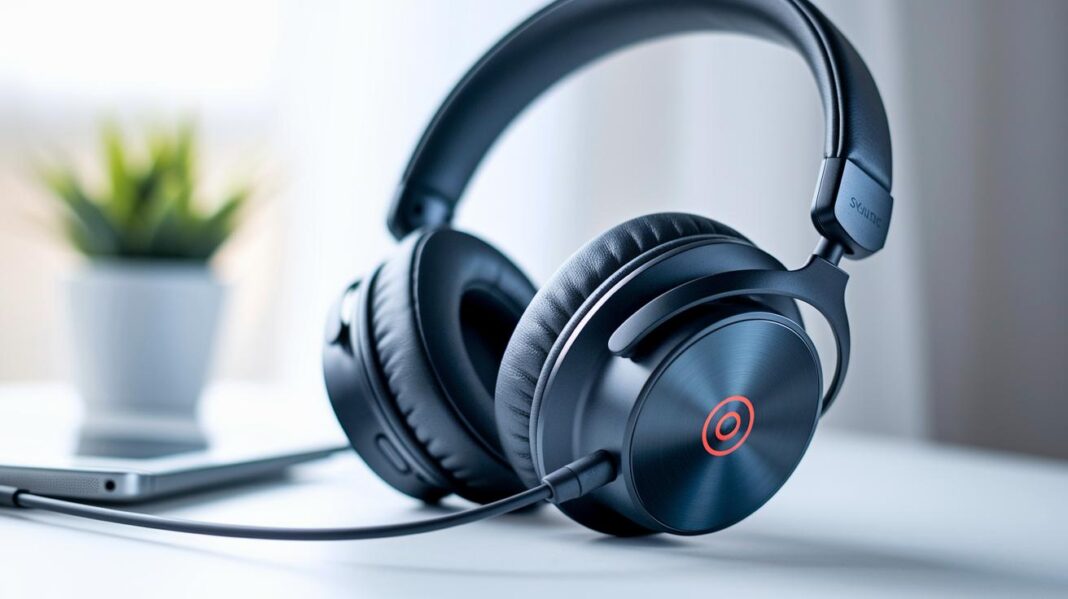
Have you ever wondered if wired headphones can block noise? They might just change your mind. These headphones use active noise cancellation with tiny mics and circuits that stop background sounds without the fuss of wireless pairing. That means you get a steady, clear audio connection every time you plug in. In this review, we look at models that deliver pure sound quality whether you're working on a project or jamming to your favorite tracks in a noisy spot. Stick around to see how these top picks can upgrade your audio experience.
Best Wired Noise Cancelling Headphones for 2026
Wired headphones with active noise cancellation are not very common, but a few models stand out by offering clear sound and good noise reduction. They use small microphones in the earcups to pick up background noise and then generate sounds that cancel it out using built-in circuits. Without the need for Bluetooth pairing, these headphones give you a stable audio connection every time.
The Sony MDR-7506 is a solid, budget-friendly pick under $100. It works well for both professionals and hobbyists who need steady noise suppression. If you want even better noise cancellation, the Dali IO-8 is a strong contender, though it does not come with a control app for tweaking settings. For those looking for audiophile-quality sound, the Monolith by Monoprice M565C delivers detailed audio and robust performance.
New in the mix, the Sennheiser HDB 630 has quickly earned awards for its noise cancelling abilities. Also, the Bose QuietComfort Ultra Headphones (2nd Gen) offer a smart folding design that makes them easy to carry. However, their wired setup may not match the full range of features found in some wireless models.
Each of these models offers something different, from budget options to premium choices. They cater to anyone who values clear audio and effective noise cancellation.
| Model | Type | Noise Cancellation Method | Approximate Price | Key Pros |
|---|---|---|---|---|
| Sony MDR-7506 | Over-ear | Embedded ANC circuitry | Under $100 | Budget-friendly; reliable noise reduction |
| Dali IO-8 | Over-ear | Advanced ANC processing | Premium range | Superb noise cancellation |
| Monolith M565C | Over-ear | Integrated ANC module | Around $120 | Audiophile-grade sound |
| Sennheiser HDB 630 | Over-ear | Award-winning ANC | $400–$500 | Refined noise reduction |
| Bose QC Ultra 2 | Over-ear | Smart folding ANC | $449 | Portable design; comfortable wear |
Active Noise Cancellation Technology in Wired Headphones

Active noise cancellation in wired headphones works by using tiny microphones in the earcups to pick up background sounds. The headphones then create a reverse sound wave to cancel out those noises, especially in the midrange and high frequencies. A small battery powers this process so you get clear sound without interruption.
Think of it like having a personal sound engineer in your earcups. It listens to the noise around you and quiets it down, cutting out things like engine hum or chatter. This means you can enjoy pure, crisp audio every time you plug in your headphones.
Comparing Wired vs Wireless Noise Cancelling Headphones
Wired noise cancelling headphones offer a dependable option that sidesteps Bluetooth delays and connection glitches. For instance, the Sony MDR-7506, costing under $100, delivers a steady audio experience without the worry of dropouts. Even though these wired designs use internal battery modules for noise cancellation, they avoid troubles like wireless interference.
Wireless designs, such as the Sony WH-1000XM6 (priced around $398 to $450) and the Bose QC Ultra at $449, let you enjoy a cable-free experience. Full-size wireless models typically offer 25–30 hours of battery life with noise cancelling on and up to 40–50 hours when it's off. Earbuds usually run for 5–8 hours with noise cancelling activated and 7–12 hours when disabled.
The decision ultimately comes down to choosing between a solid connection and on-the-go freedom. Wired headphones are simple to set up with fewer technical hiccups, while wireless options bring mobility and extra features. Keep in mind that both types require power to run their noise cancellation circuits.
Advantages of wired noise cancelling:
- Steady connection without pairing delays
- Lower price options
- Reliable noise cancellation processing
- No wireless interference
Advantages of wireless noise cancelling:
- No cables to hold you back
- Extended battery life in full-size designs
- Better portability for travel and everyday use
- Access to advanced customization features
Key Features to Look For in Wired ANC Headphones
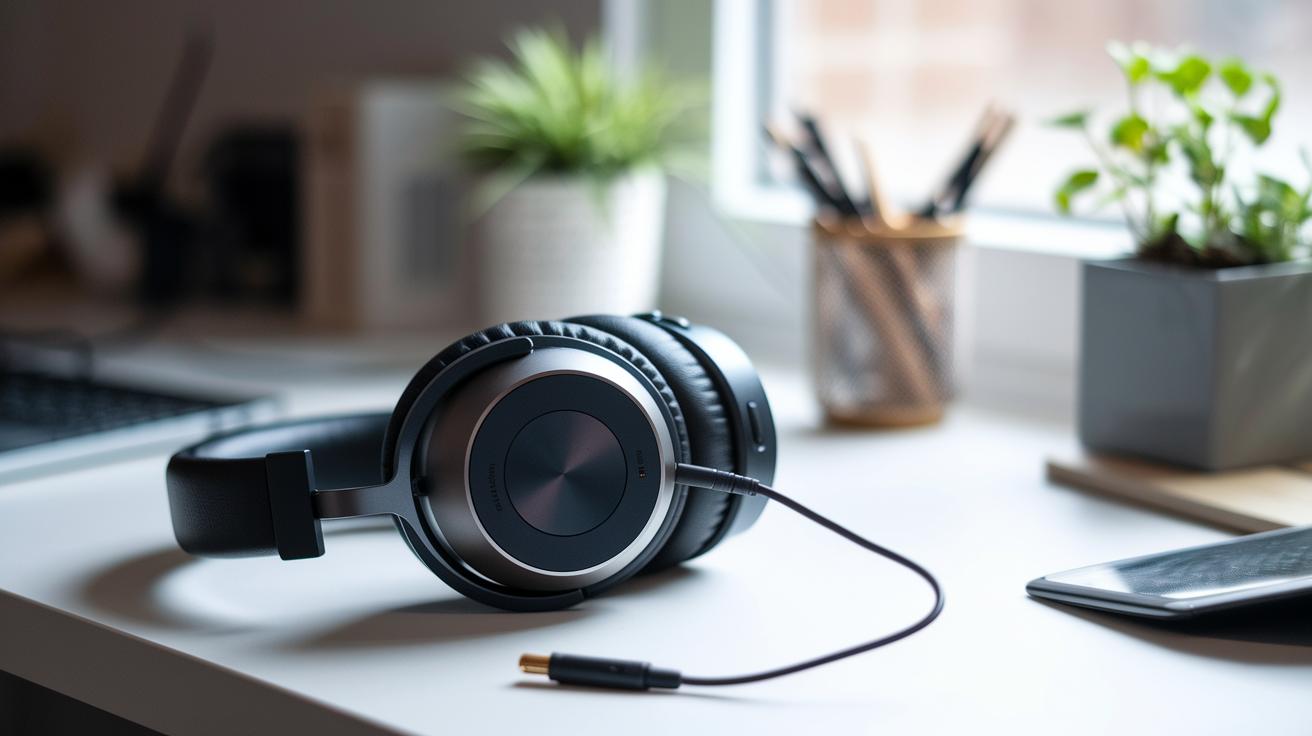
Choose wired ANC headphones that block out unwanted noise with ease. They use solid noise cancellation to handle a wide range of sounds, cutting both mid and high frequencies while keeping the sound clear. A good earcup seal and dense materials help stop sound from leaking out, so you can enjoy long listening sessions without distractions.
Don't forget about the cable. A strong, flexible cable that resists tangling is key, and a longer cable is useful if you plan to move around while using them. If your headphones need power for noise cancellation, check how they manage battery or power. Make sure the controls on the cable let you adjust the ANC settings, volume, and playback smoothly.
Some models come with companion software that adds extra options, although this is not common in all wired types. Also, comfort matters. Look for features like padded headbands and swivel hinges so you can wear them for hours without discomfort, ensuring your music or calls sound pure and clear.
Performance Testing and Real-World Noise Cancelling Results for Wired Headphones
We ran practical tests to check if these headphones deliver clear sound. Users wore them for long sessions to see if they felt comfortable and stayed in place. We also put the earcups and cable to work, bending and tugging them to ensure they could handle daily use while keeping the noise cancellation steady.
We then faced real-world noise. In busy street settings and offices, we played sounds like traffic, a humming air conditioner, and background chatter. We even checked call quality on busy streets. The headphones did a solid job reducing mid to high frequency noise, so music and calls stayed clear in noisy environments.
We also stressed the cable and earcups to test durability. Even after heavy use, the noise cancelling feature remained strong. Overall, these wired headphones prove they can stand up to everyday handling while delivering consistent and clear sound.
Budget vs Premium Wired Noise Cancelling Headphones

Our tests show clear differences between budget and premium wired noise-cancelling headphones. Premium options are marked by crisper highs, detailed midrange, and well-controlled bass. Budget models, by contrast, may lack that refined tuning, resulting in a less immersive sound. One tester noted, "Premium headphones delivered punchy beats and clear vocals, while budget models sounded a bit flat during quieter passages."
Durability also plays a big role. Premium units usually use metal parts and advanced acoustic damping materials, making them tougher for everyday use. Budget headphones tend to rely on plastic, which can wear down with regular handling.
| Characteristic | Budget Models | Premium Models |
|---|---|---|
| Audio Signature | Softer midrange, less dynamic range | Crisp highs, detailed midrange, controlled bass |
| Build Durability | Plastic construction; adequate for light use | Metal components; robust against daily wear |
These insights help explain why premium headphones often justify their higher cost with improved sound detail and enhanced durability.
Final Words
In the action, we walked through top picks for wired noise cancelling headphones in 2026. The discussion covered active noise cancellation tech, real-world testing and value across budget to premium options. We compared wired versus wireless for those who want no pairing hassles yet solid noise reduction. All these insights help you choose the best wired headphones noise cancelling device for your needs and budget.
| Model | Type | Noise Cancellation Method | Approximate Price | Key Pros |
|---|---|---|---|---|
| Sony MDR-7506 | Wired | Active Noise Cancellation | $99 | Reliable, affordable |
| Dali IO-8 | Wired | Active Noise Cancellation | $450 | Superb noise cancelling |
| Monolith M565C | Wired | Active Noise Cancellation | $120 | Audiophile-grade sound |
| Sennheiser HDB 630 | Wired | Active Noise Cancellation | $450 | Award-winning design |
| Bose QC Ultra 2 | Wired | Active Noise Cancellation | $450 | Smart folding, premium design |
FAQ
Q: What are the best wired noise cancelling headphones, including earbuds with a microphone?
A: The best wired noise cancelling headphones include models like the Sony MDR-7506, Dali IO-8, and Sennheiser HDB 630. They provide strong noise reduction, some even feature built-in microphones for clear calls.
Q: What does Reddit say about wired noise cancelling headphones?
A: Reddit discussions often praise wired noise cancelling headphones like the Sony MDR-7506 for their durability and low latency, even though ANC technology is more common in wireless models.
Q: How do wired and wireless noise cancelling headphones compare?
A: Wired noise cancelling headphones offer stable connectivity and minimal pairing issues, while wireless options, such as Sony WH-1000XM4, give longer battery life and more design flexibility.
Q: Do wired noise cancelling headphones and earphones exist?
A: Wired noise cancelling headphones and earphones do exist. They use embedded ANC circuitry powered externally, providing effective noise reduction without the challenges of wireless connectivity.
Q: Why do some people with ADHD choose noise cancelling headphones?
A: People with ADHD choose noise cancelling headphones because they help reduce background noise. This reduction improves focus and reduces distractions in busy environments.
Q: Why might wired headphones often lack noise cancelling features?
A: Wired headphones sometimes lack noise cancelling features due to design priorities that focus on direct audio transfer rather than incorporating extra ANC circuitry found more often in wireless designs.
Q: What are some popular noise cancelling headphone models available in both wired and wireless options?
A: Popular models include Sennheiser Momentum series and Sony WH-1000XM4/XM5 for wireless use, alongside wired choices like Sony MDR-7506 and Sennheiser HDB 630 that cater to various budgets and quality needs.
| Model | Type | Noise Cancellation Method | Approximate Price | Key Pros |
|---|---|---|---|---|
| Sony MDR-7506 | Over-Ear Wired | Built-in ANC circuitry | Under $100 | Budget-friendly and reliable |
| Dali IO-8 | Over-Ear Wired | Refined ANC electronics | $400 | Superior noise cancelling performance |
| Monolith M565C | Over-Ear Wired | Integrated ANC circuit | $120 | Audiophile-grade sound |
| Sennheiser HDB 630 | Over-Ear Wired | Award-winning ANC design | $450 | Excellent cancellation with premium build |
| Bose QC Ultra 2 | Over-Ear Wired | Smart ANC with folding design | $450 | Innovative design and quality noise reduction |