Ever get annoyed by slow downloads or choppy streaming? With 5G, your phone outpaces old networks by reaching speeds up to 100 times faster. That means you can download a full movie in less time than it takes to brew your morning coffee. This article explains how 5G drops lag to just 1 ms, improves video calls and gaming, and works well even in crowded areas. It isn’t just an upgrade, it’s a fast pass to smoother, more reliable mobile connectivity.
How 5G Enhances Smartphone Connectivity at a Glance
5G is up to 100 times faster than 4G. That means you can download multi-gigabyte files in seconds and stream 4K videos without a hitch. Imagine downloading a full-length movie in the time it takes to brew your coffee. In short, you can get huge files in seconds instead of minutes.
Latency drops to just 1 ms with 5G. This makes video calls, gaming, and augmented reality feel almost instantaneous. For example, video chats become so smooth that conversations feel face-to-face.
5G can also handle up to 1 million devices in just 0.386 square miles. In busy places like stadiums or city centers, your data gets its own fast lane. This means you will enjoy reliable connectivity even in crowded areas.
Over the past two years, carriers have doubled 5G coverage. More users now enjoy faster and more responsive mobile connectivity. Under ideal mmWave conditions, peak speeds can hit 10 Gbps for downloads and 3 Gbps for uploads. These speeds set the stage for future mobile innovations.
5G’s Role in Boosting Smartphone Data Speeds
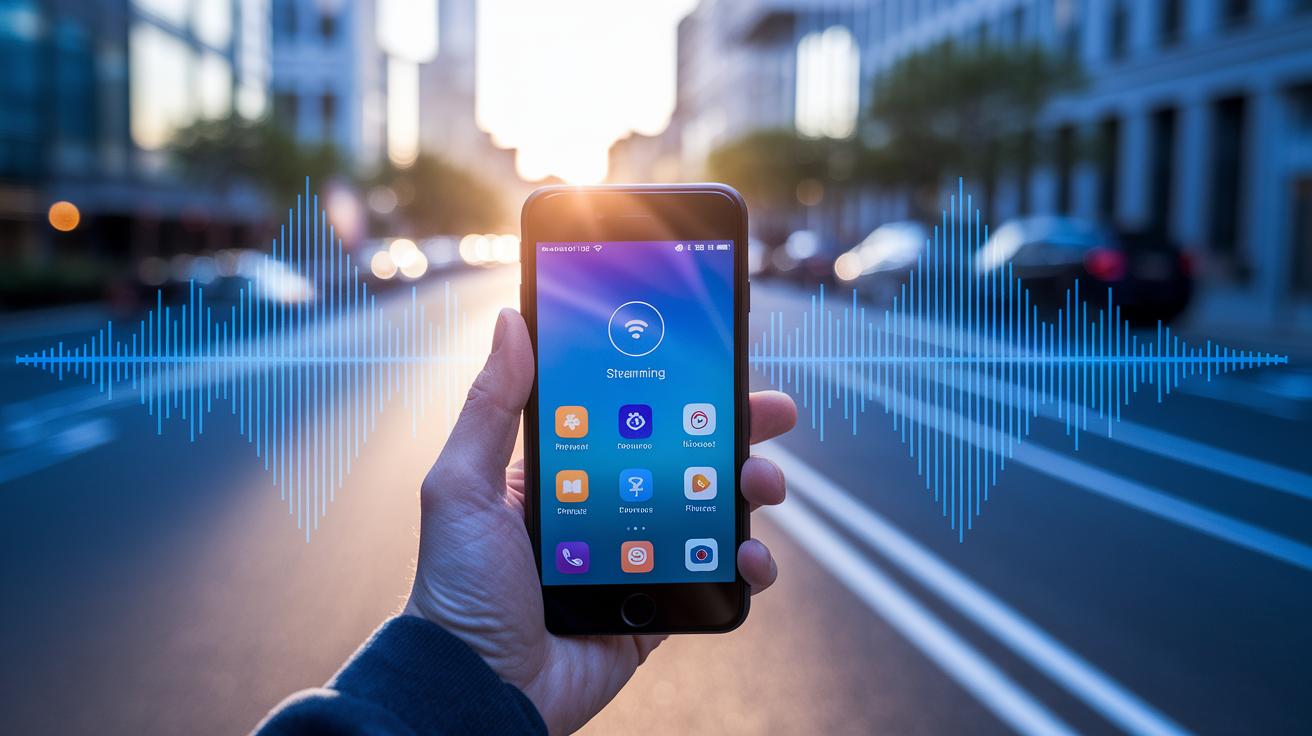
5G uses different frequency bands to boost your smartphone's speed. The high-band, known as mmWave (24–39 GHz), can hit speeds up to 20 Gbps for downloads and 10 Gbps for uploads in the best conditions. Imagine downloading a full HD movie in seconds, fast enough to leave older networks behind.
The mid-band, or C-Band (3.7–3.98 GHz), offers a mix of speed and coverage. It delivers speeds between 1 and 3 Gbps, so users in cities enjoy a clear speed boost without losing range.
Low-band frequencies (600 MHz–1 GHz) provide wider coverage but with speeds around 100 to 300 Mbps. This means that even those outside busy urban areas stay connected. Flagship devices like the ASUS Zenfone 12 Ultra and ROG Phone 9 make the most of these options for smooth browsing and quick downloads.
Manufacturers also blend 5G with 4G LTE and satellite links. This smart mix helps maintain fast internet speeds in spots where 5G signals are not strong.
Ultra-Low Latency Advantages of 5G for Smartphones
5G cuts down delays in data transmission to about 1 ms. Older networks usually take 30 to 50 ms, so actions like tapping a button during a video call happen almost instantly. Mobile gamers see nearly no lag, and virtual or augmented reality interactions feel more natural and smooth.
Engineers use a method called edge slicing (dividing network resources by location) to achieve these low delays. This technique gives important tasks, like remote surgery or self-driving car control, a dedicated, low-delay connection. Even everyday activities like live video chat get near-instant feedback.
Design improvements also include Compact Macro small cells that use Qualcomm’s 60 dBm EIRP technology (a measure of signal power). These cells widen areas with low latency by up to 240%, which means you get smoother performance even in busy places.
- Pro: Almost instant response for gaming and live streaming
- Pro: Reliable performance for critical tasks like remote procedures
- Pro: Enhanced everyday interactions with real-time feedback
Scaling Smartphone Connectivity: 5G Capacity and Reliability
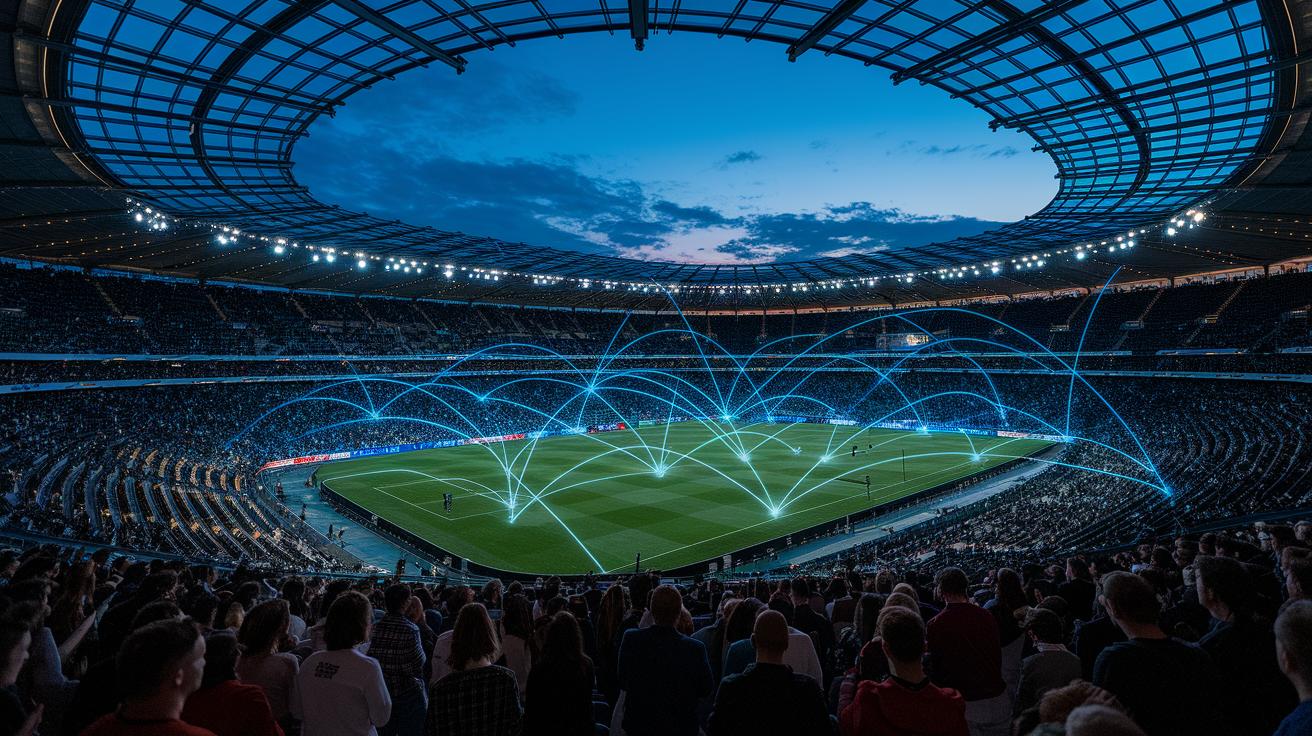
5G can support up to 1 million devices in just 0.386 mi². This is a big leap from 4G, which handles around 100,000 devices in the same space. In busy places, like a full stadium, your phone stays connected while everyone streams and posts at the same time.
Network slicing also boosts this connectivity. Carriers can split the network into virtual segments for different tasks like gaming, smart home devices, or business solutions. For example, one slice can run a VR gaming tournament while another handles smart devices. It is like setting aside dedicated lanes on a highway to keep traffic moving smoothly during rush hour.
Real-world tests show that 5G is reliable. In one Swedish mine, using a private 5G slice helped automate equipment and cut drilling costs by 1%. In healthcare, smart devices monitor insulin pumps and ventilators with less than 1% packet loss, so important data is passed without delays. In addition, 5G systems achieve 99.999% uptime, keeping essential mobile services running almost all the time.
| Key Feature | Description |
|---|---|
| High Device Support | Up to 1 million devices per 0.386 mi² |
| Network Slicing | Divides the network into virtual segments for specific tasks |
| Industrial Use | Private slice cut drilling costs by 1% in a Swedish mine |
| Healthcare Reliability | IoT devices track critical equipment with less than 1% packet loss |
5G Infrastructure, Spectrum Bands, and Deployment Challenges
5G uses three parts of the radio spectrum: low, mid, and high. Low-band (600 MHz to 1 GHz) covers large areas with speeds between 100 and 300 Mbps. Mid-band (1 to 6 GHz) offers a balance between speed and coverage, delivering 1 to 3 Gbps. High-band (24 to 39 GHz), also known as mmWave, reaches up to 20 Gbps but does not cover far. Think of high-band as a fast sports car; it is very quick but needs smooth roads to work well.
In cities, small cells are placed every few hundred meters to fill gaps where mmWave signals drop off. These mini base stations keep connections steady in busy areas like downtowns and stadiums. For places indoors, distributed antenna systems help spread the signal in large buildings where high frequencies struggle.
Carriers face several hurdles when launching 5G. They must sort out spectrum licensing, choose tower locations, and set up backhaul. Backhaul, which works like the network’s plumbing, is essential for using 5G speeds fully. New solutions, like Qualcomm’s compact macro design, have boosted small cell range by 240%, helping to clear some of these obstacles.
Building a solid 5G network takes careful infrastructure planning, following rules, and smart hardware choices. Each spectrum band has its own strengths and limits, and together they deliver high speed, low lag, and a reliable connection in many different settings.
Real-World Smartphone Connectivity Upgrades via 5G

When 5G enters the scene, it turns big promises into real solutions. In 2019, a live holographic concert streamed 3D visuals with less than 3 ms delay, so much so that you could feel like you were right there with the performers.
At Ford’s plant in Europe, they used 5G to power VR training and gesture control. This upgrade helped workers complete routine tasks more quickly and with better precision.
Challenges and Future Outlook for 5G Smartphone Connectivity
4G LTE and 5G will share the airwaves for a while, using smart blending to keep your connection smooth. Think of it as your phone shifting networks as easily as a car switches gears. Mobile data use is set to grow by 6 times by 2033. This means US carriers will need 250% more mid-band spectrum, pushing them to plan and allocate more carefully.
mmWave signals can reach high speeds but get blocked by buildings and trees. To fix this, carriers are packing more mid-band coverage to fill the gaps. They are also using satellite connections in non-terrestrial networks to cover rural areas where towers are few, ensuring a balanced network across the country.
New technology is on the way too. AI-driven radio resource management will help networks adjust on the fly. This smart system can shift resources based on real-time needs and even predict traffic spikes before they happen.
- 4G LTE and 5G smart blending keeps networks smooth.
- mmWave hurdles need more mid-band coverage.
- AI management offers a smarter, future-ready network.
Final Words
In the action, our post broke down how 5G boosts smartphone connectivity through faster speeds, ultra-low latency, and improved capacity. It clearly showed how does 5g improve smartphone connectivity by enabling smooth streaming, reliable gaming, and consistent performance in busy areas.
We explained how advanced network design and smart spectrum use translate into real-world gains. The outlook remains positive as continued improvements make everyday device use even more efficient.
FAQ
What is 5G technology and how does it work?
The 5G technology is a wireless network system that uses low-, mid-, and high-band spectrum, small cells, and advanced infrastructure to deliver faster speeds, lower latency, and support more simultaneous connections.
How does 5G improve smartphone connectivity and performance?
The 5G improvements boost smartphone connectivity by offering multi-gigabit speeds and ultra-low latency, which means faster downloads, smoother video calls, and enhanced gaming performance.
What are the advantages and disadvantages of 5G?
The 5G advantages include rapid speeds and low latency, while the downside involves limited mmWave range and deployment challenges like signal penetration and infrastructure setup.
What examples illustrate 5G technology in action?
The 5G technology examples range from smart city projects and augmented reality streaming to industrial automation and connected healthcare, all benefiting from faster speeds and improved capacity.
What is 5G network speed and how do different spectrum bands affect it?
The 5G network speed can hit 10–20 Gbps under ideal mmWave conditions, while mid-band offers 1–3 Gbps and low-band delivers 100–300 Mbps, balancing speed with broader coverage.
What is 5G Jio?
The 5G Jio term refers to Reliance Jio’s deployment of 5G network services, which aims to offer faster mobile connectivity, enhanced performance, and support for more devices across regions.